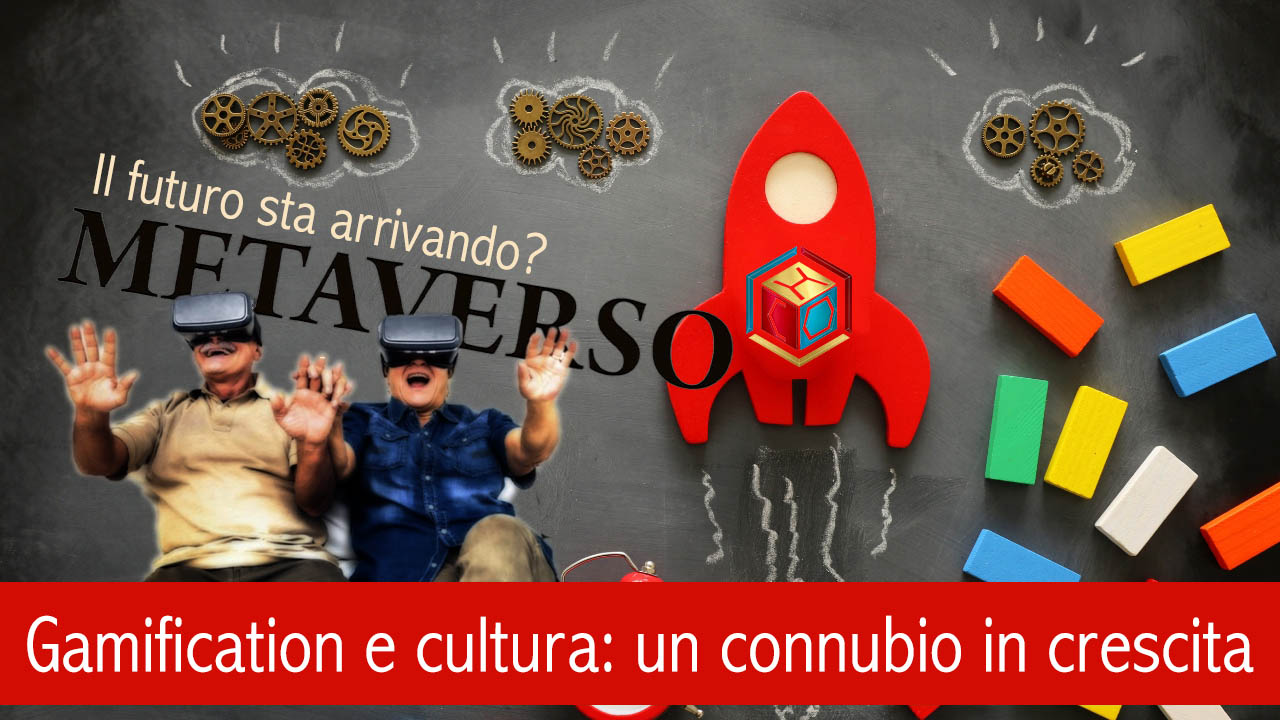
In March 2024, gamification—the application of game mechanics such as points, leaderboards, objectives, and rewards to non-gaming contexts—has become an increasingly prominent strategy for promoting cultural engagement and education across Italy. Gamification in the cultural sector aims to make learning and the consumption of cultural content more interactive, engaging, and enjoyable for audiences of all backgrounds.
The expansion of gamification in cultural settings accelerated significantly following the COVID-19 pandemic, driven by market growth in the gaming and metaverse sectors. The approach now encompasses a range of applications designed to deepen public interaction with heritage.
Current Applications in Italian Cultural Institutions
Museums have begun implementing interactive apps featuring games and quizzes that accompany visitor experiences, alongside virtual treasure hunts and three-dimensional reconstructions of archaeological artifacts. Cultural websites and apps employ badges and rewards for completing learning pathways, while competitive challenges and reputation systems encourage active participation. Educational institutions have similarly adopted gamified didactic games, e-learning platforms with game elements, and serious games that allow deeper exploration of complex subjects.
Benefits and Challenges
Gamification increases audience engagement by making cultural interaction more entertaining and challenging. It facilitates more effective learning through improved information retention and comprehension. The approach also broadens accessibility to culture, reaching more diverse audiences. However, challenges remain: designers must create well-designed experiences that remain both enjoyable and instructive; gamification must enrich rather than trivialize cultural content; and institutions must balance entertainment value with educational substance.
According to architect Luigi de Marchi, gamification represents a promising tool for drawing people toward culture and making its consumption more engaging and stimulating. Detailed market analysis is available through the Osservatorio BBCC (Observatory of Cultural Heritage).
Frequently asked questions
What is gamification in cultural contexts?
Gamification applies game elements like points, badges, and leaderboards to cultural and educational settings to increase user engagement, motivation, and participation.
Which institutions in Italy use gamification?
Italian museums, cultural websites, apps, and schools have adopted gamified approaches including interactive museum apps, virtual treasure hunts, online quizzes, and e-learning platforms with game mechanics.
What are the main advantages of gamification for cultural heritage?
Gamification increases audience engagement, improves learning effectiveness through better information retention, and makes culture more accessible to broader and more diverse audiences.