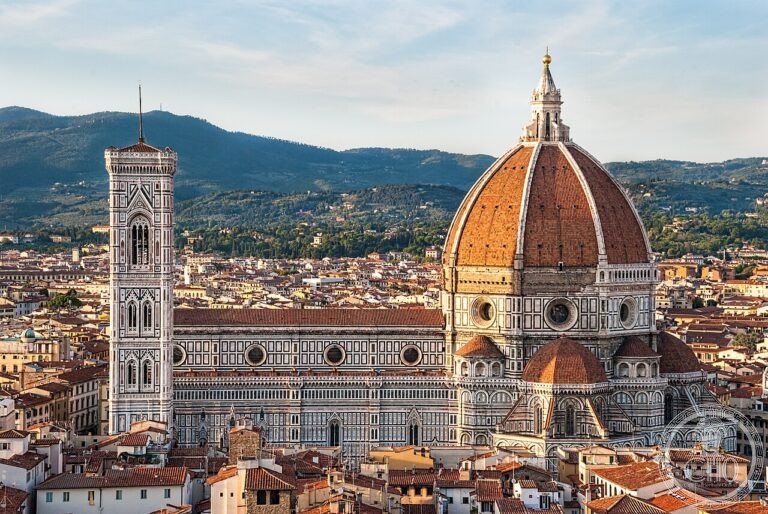
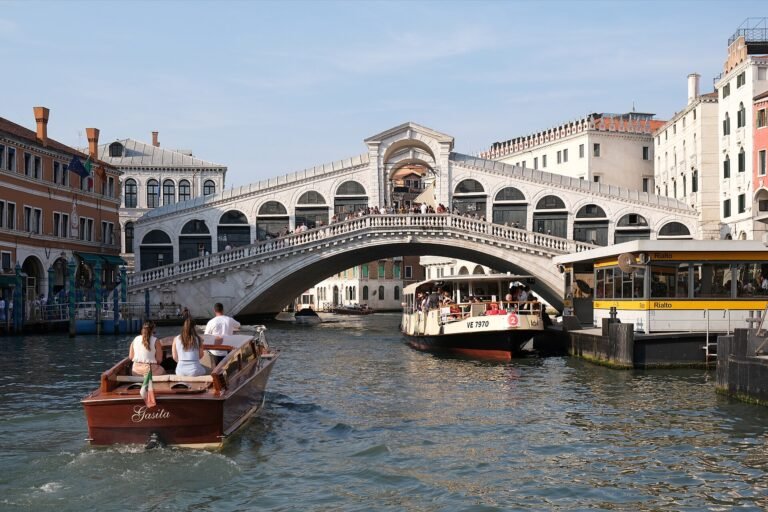
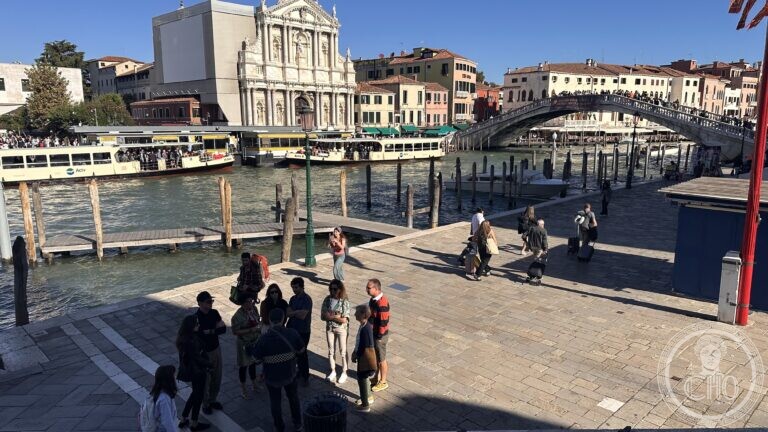
Italy’s national tourism authority, Enit, launched a promotional campaign in April 2023 centred on a virtual influencer modelled after Botticelli’s Venus, intended to showcase the country’s cultural, natural and gastronomic heritage to international audiences. The campaign, titled “Italia, Open to meraviglia” (Italy, Open to Wonder), was developed by the Armando Testa group and paired photography with a video explaining the choice of spokesperson.
The Campaign’s Concept
The campaign’s messaging centres on the idea that Italy represents an open door to wonder and that Italians excel at marvelling at beauty in order to inspire others. The logo features an Italian flag opening to welcome the world, paired with the tagline “Italia, Open to meraviglia.” According to the video’s narration, this symbolizes Italian hospitality and the nation’s ability to showcase its boundless artistic, natural and culinary patrimony to global visitors.
Criticism and Controversy
The campaign drew substantial criticism from multiple quarters. Many observers viewed the decision to assign a Botticelli masterpiece to a virtual influencer as misguided, calling it kitsch, in poor taste and culturally shallow. Additional scrutiny focused on production details: footage of a Slovenian wine cellar and bottle appeared in the campaign materials, and a Dutch director was hired to oversee the video. Some commentators also noted tension between the campaign’s message of welcoming the world and the Italian government’s restrictive immigration policies, though such critiques were dismissed by some as politically motivated. The campaign generated numerous internet memes responding to these various concerns.
On video
Frequently asked questions
What was the purpose of the “Italia, Open to meraviglia” campaign?
The campaign, launched by Enit, aimed to promote tourism across Italy by showcasing the country’s art, nature and gastronomy to international audiences through a virtual influencer based on Botticelli’s Venus.
Why was the campaign controversial?
Critics argued that using a Botticelli masterpiece as a virtual influencer was culturally inappropriate and kitsch, while others objected to production choices including Slovenian wine imagery and a Dutch director, as well as perceived contradictions with Italy’s immigration policies.
Who created the campaign?
The Armando Testa group was responsible for developing and producing the campaign materials, including both the photography and video components.
Sources
- S1 — Settis, Salvatore. Battaglie senza eroi: i beni culturali tra istituzioni e profitto. Electa, 2005. ISBN 978-88-370-4032-1.
- S2 — Volpe, Giuliano. Patrimonio al futuro: un manifesto per i beni culturali. Electa, 2015. ISBN 978-88-918-0524-9.
Spotted an error? Write to editorial@culturalheritageonline.com and we correct it the same day.