
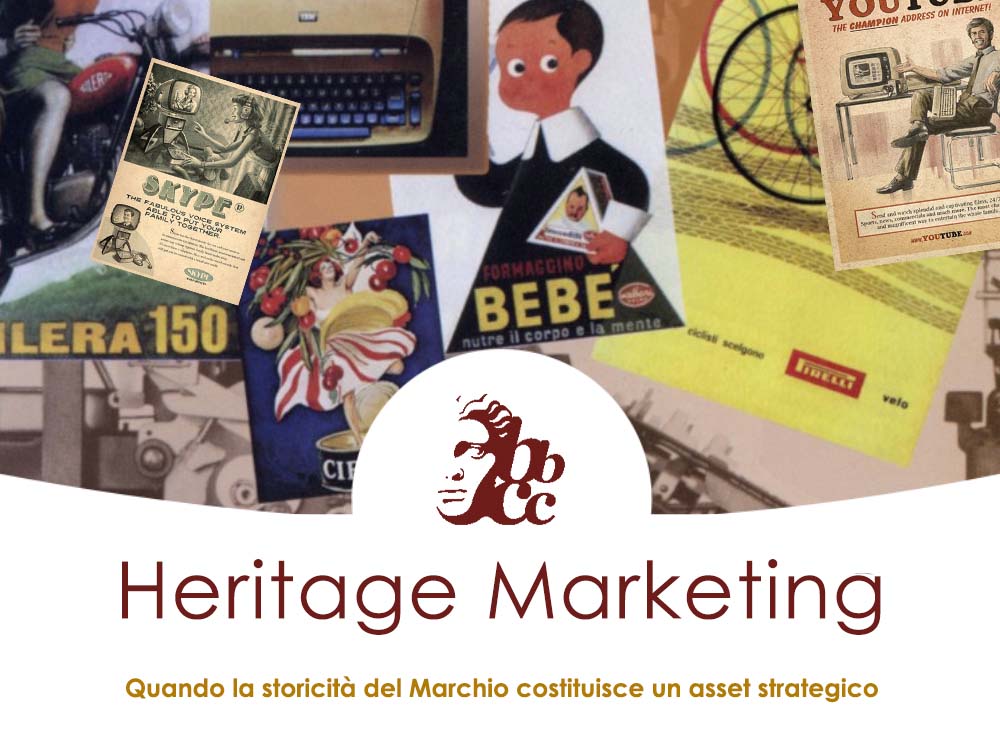
Published in September 2021, this analysis examines heritage marketing—a strategic approach where companies leverage their historical narrative, symbolic elements, and emotional connections to position their brand and communicate their identity to customers. Heritage marketing focuses on transmitting corporate identity and culture to different customer segments by valorizing the experiences that have made brands and products unique.
Strategic Approach and Benefits
Heritage marketing operates simultaneously as a branding strategy and a relational marketing strategy. As a branding tool, it strengthens brand identity and influences brand awareness and loyalty. As a relational marketing strategy, it builds customer relationships based on empathy and trust by leveraging the company’s historical patrimony. The approach yields both external and internal benefits: external gains include enhanced identity, credibility, trust-building, memory preservation, and promotion of products rooted in specific territories; internal benefits include strengthened stakeholder belonging, reinforced corporate identity, demonstrated stability, and increased organizational trust.
Core Tools and Implementation
Heritage marketing employs four primary categories of tools, organized by storytelling approach. Storytelling through words, images, and sounds encompasses both classical and digital instruments. Storytelling through product or brand includes product craftsmanship, raw materials, distinctive competencies, iconic products, visual identity, packaging, merchandising, and retrobranding—elements designed to engage customers emotionally through recollection of past sentiments and imagery. Storytelling through events and relationships includes anniversary celebrations, temporary exhibitions, workshops, participation in other organizations’ events, cultural events, and sponsorships. Storytelling through places comprises historical archives, company museums, guided factory visits, industrial heritage sites, retail spaces, and historic buildings.
Archives and Company Museums
Historical archives are particularly widespread among long-established companies. They collect and organize corporate assets for public access, promoting company image externally while disseminating philosophy and mission internally. Company museums contribute significantly to preserving corporate memory and promoting locally rooted products and activities. They can testify to the social and economic history of local cultures and produce tangible and intangible benefits for diverse stakeholders. Because companies have temporal and geographic roots, their brand within the museum setting serves a dual heritage role: reference point in society and territorial image.
Museimpresa, the Italian association of corporate archives and museums, has identified Italian business museums across six main categories: food and wellness, design, economics and society, fashion, motors, and research and innovation. The association’s database currently documents 46 archives and 47 museums, though this remains a partial inventory of all Italian corporate museums.
Frequently asked questions
What are the main benefits of heritage marketing?
Heritage marketing offers external benefits including enhanced identity, credibility, trust-building, and memory preservation, while providing internal benefits such as strengthened employee belonging, reinforced corporate identity, and increased organizational trust.
What is Museimpresa?
Museimpresa is the Italian association of corporate archives and museums established to create a network of companies promoting their corporate patrimony through communication strategies; it currently documents 46 archives and 47 museums across six categories.
How does storytelling function in heritage marketing?
Heritage marketing employs storytelling across four channels: through words, images, and sounds (classical and digital media); through products and brands (packaging, craftsmanship, visual identity); through events and relationships (exhibitions, sponsorships, celebrations); and through places (museums, archives, factory visits, historic buildings).
Sources
- S1 — Micelli, Stefano. Futuro artigiano: l'innovazione nelle mani degli italiani. Marsilio, 2011. ISBN 978-88-317-1055-8.
- S2 — Kotler, Neil G., Philip Kotler, and Wendy I. Kotler. Museum Marketing and Strategy. Jossey-Bass, 2008. ISBN 978-0-7879-9691-8.
Spotted an error? Write to editorial@culturalheritageonline.com and we correct it the same day.


