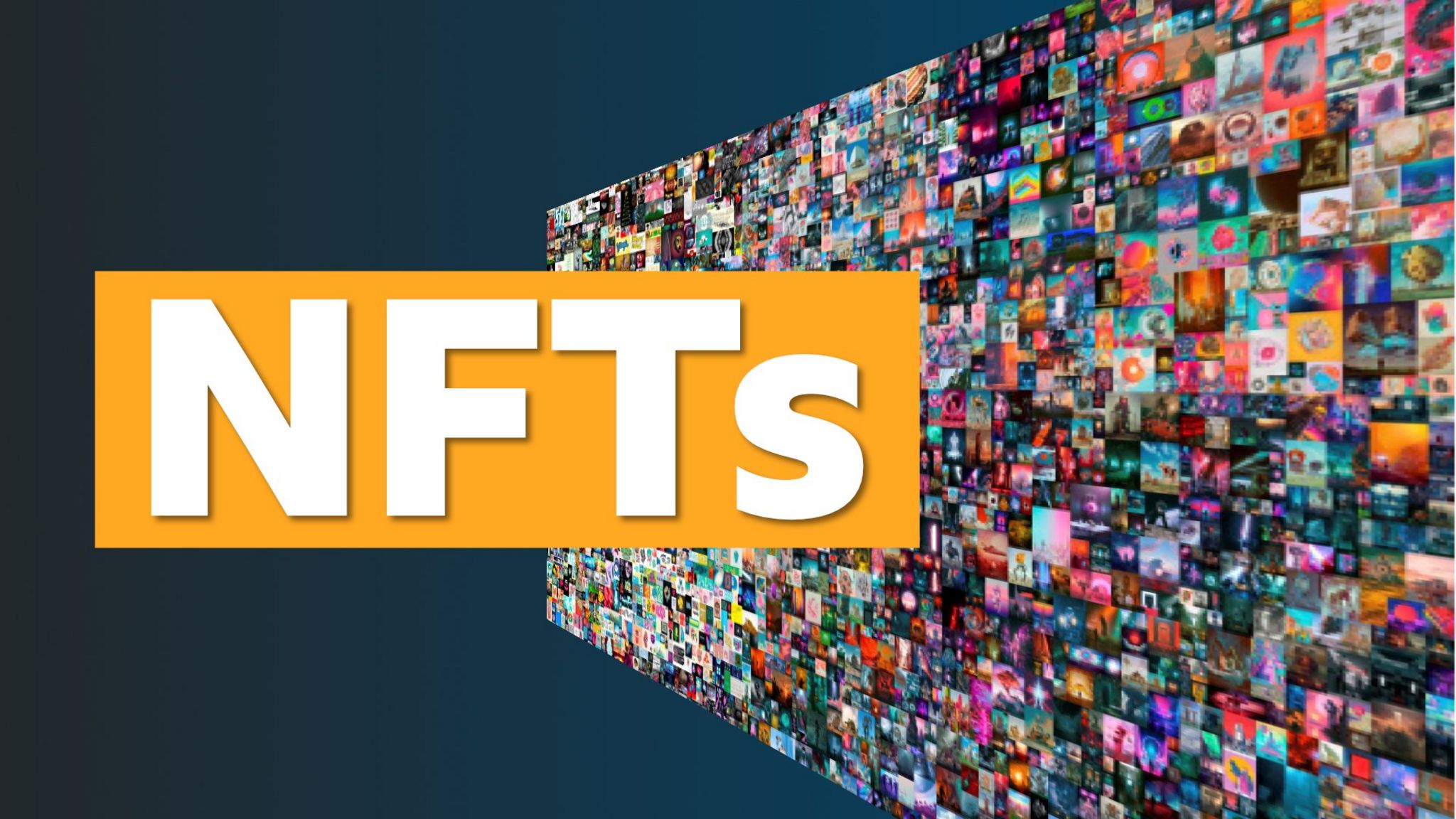
In September 2021, as cryptocurrency investments matured, non-fungible tokens (NFTs) emerged as a significant trend in blockchain technology and passive investment. NFTs had grown so popular that established companies, celebrities, and investors were launching or considering NFT projects. Recent statistics illustrated the rapid expansion: NFT sales totalled $250 million in 2020, then reached $2 billion in the first quarter of 2021 alone. However, not all NFTs hold equal value; some become worth considerable sums while others remain worthless.
Understanding NFTs
A non-fungible token is a unit of data stored on a blockchain that certifies a digital asset as unique and non-interchangeable. Unlike fungible assets that can be exchanged one for another, each NFT represents something that cannot be replaced. They function as digital equivalents of private collectibles, where each piece carries distinct value. Creating an NFT requires a cryptocurrency wallet and funds—typically Ethereum—on a blockchain platform, with Ethereum being the most popular, though Flow and Binance are also commonly used. Transactions occur through smart contracts and are recorded permanently on the blockchain.
Digital Art
Individual NFT artworks rank among the most popular and valuable non-fungible tokens created to date. On 11 March 2021, a major auction house made history by selling entirely digital artwork for $69 million, marking the first time such an institution auctioned purely digital art. NFTs grant artists ownership rights, allowing them to prove authenticity and profit from their work. This technology benefits creators of all kinds, including meme creators, by providing verifiable ownership whenever their work circulates.
Fashion and Licensed Collectibles
Fashion brands address authenticity and counterfeiting concerns by releasing limited-edition digitised clothing collections and celebrity or designer-signed pieces as NFTs. Brands can generate unlimited revenue by building NFT marketplaces for clothes and accessories. Licensed collectibles—from jewellery to memorabilia to trading cards—benefit from tokenisation, which allows physical items to be converted to digital assets. Sports cards represent the most popular collectible NFTs so far, initially limited to licensed footballer cards but now expanded to include NBA collections. As physical collectibles risk damage through handling and trading, NFTs preserve quality indefinitely in secure digital form on the blockchain. Other sports organisations will likely follow this trend, expanding the variety of available NFT collectibles.
Video Games
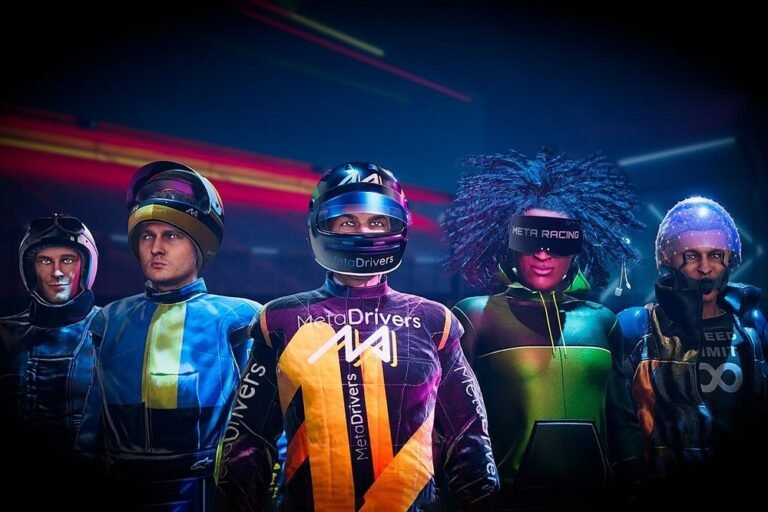
NFTs in gaming enable blockchain technology to transform traditional pay-to-win models into play-to-earn systems, broadening player engagement and income opportunities.
On video
Frequently asked questions
What are non-fungible tokens?
Non-fungible tokens are units of data stored on a blockchain that certify a digital asset as unique and non-interchangeable, functioning as digital equivalents of private collectibles where each piece holds distinct value.
Why did NFT sales surge between 2020 and 2021?
NFT sales grew from $250 million in 2020 to $2 billion in the first quarter of 2021 as major companies, celebrities, and investors launched NFT projects and the technology gained mainstream recognition across art, fashion, collectibles, and gaming sectors.
How do NFTs benefit creators and collectors?
NFTs provide proof of authenticity and ownership rights for creators while allowing collectors to own unique digital assets that maintain quality indefinitely in blockchain-secured digital form without risk of physical damage.