In December 2021, a certification service was presented to art galleries seeking streamlined methods to catalog and authenticate their works simultaneously. The solution combines blockchain technology, near-field communication, and virtual exhibition spaces to create a comprehensive digital archive system.
The certification process
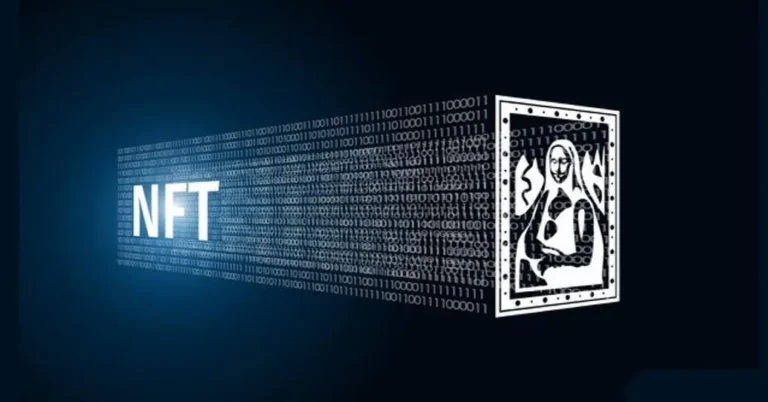
The service registers artworks on the blockchain as NFTs, rendering each piece unique and irreproducible, thereby establishing digital certification. NFC tags are then attached directly to the physical artwork, creating a connection between the tangible object and its digital certificate. This dual approach ensures both physical and digital authentication.
Virtual and online access
To accommodate audiences unable to visit galleries in person, the service offers a 3D virtual gallery displaying works as NFTs. Visitors to the immersive gallery gain direct access to a marketplace for purchasing artwork. The entire collection receives promotional support through posts and albums on the platform beniculturalionline.it and associated social media channels.
Frequently asked questions
How does blockchain registration authenticate artwork?
Works are registered on the blockchain as NFTs, making each piece unique and irreproducible, which certifies their authenticity.
What role do NFC tags play in the certification system?
NFC tags are attached directly to artworks and link the physical object to its digital certificate, establishing a connection between the real work and digital authentication.
Can the service help galleries reach remote buyers?
Yes, a 3D virtual gallery allows people to view works and access a marketplace for purchasing, regardless of whether they can physically visit the gallery location.