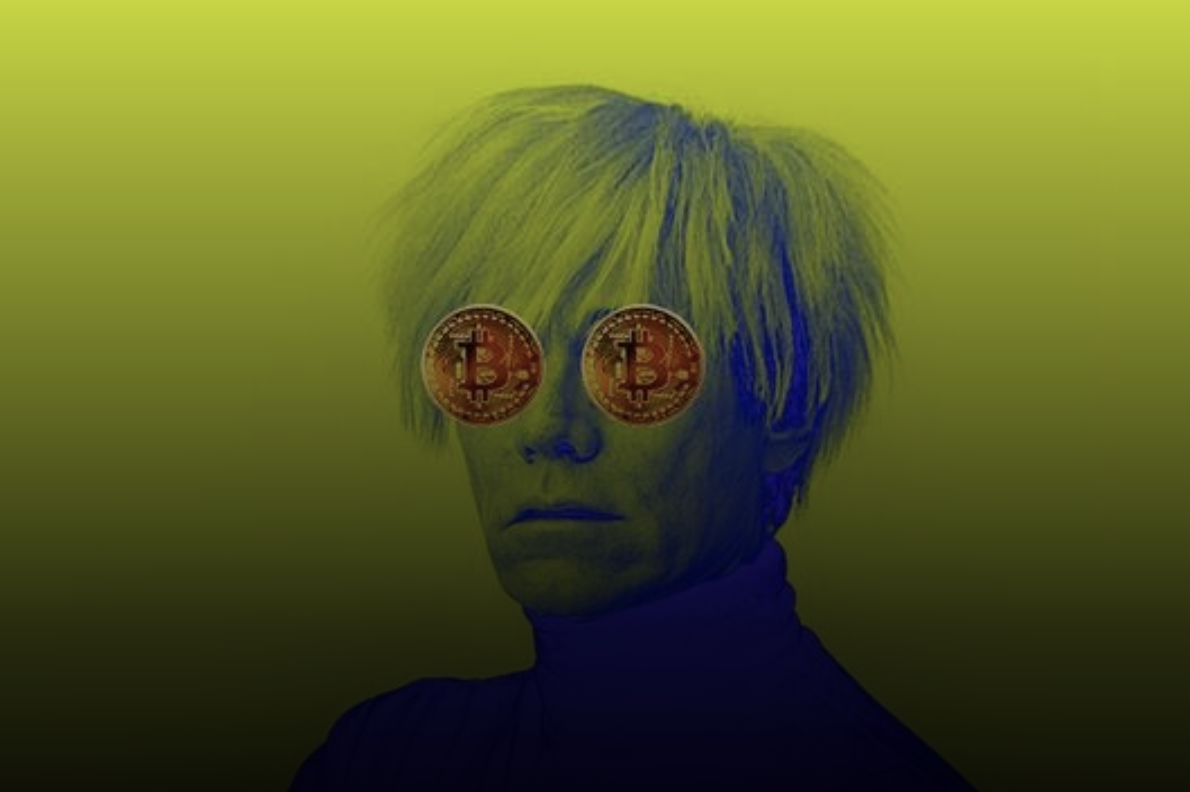
Presented in September 2021, an overview of non-fungible tokens (NFTs) and their application in the digital art world. NFTs are cryptographic tokens on blockchain that represent unique digital or physical assets. What distinguishes them from fungible assets is their non-interchangeability: each token carries a unique, non-replicable code that cannot be duplicated or exchanged without loss of authenticity.
How NFTs Authenticate Digital Art
Unlike fungible goods, where one unit is identical to another, an NFT-based digital work is digitally signed by its creator through blockchain technology. This signature makes each work distinct from superficially identical copies in circulation, much like an authenticated and signed painting differs from a reproduction. The blockchain serves to establish and preserve information proving that a particular GIF, video, or digital image is the original and to demonstrate its authorship and ownership. This creates a permanent, publicly transparent ownership record that experts have compared to the most significant technological innovation since the iPhone.
Market Evolution and Adoption
Initially considered a resource for specialists and cryptocurrency enthusiasts, the digital art market has expanded significantly. According to Duncan Cock Foster, co-founder of NFT platform Nifty Gateway, the evolution will follow a trajectory parallel to Bitcoin’s adoption: institutions will increasingly collect NFTs as familiarity with the concept grows. Artists including Beeple, Ben Mauro, Pak, Kenny Schachter, and Italian duo Hackatao have recorded sales worth hundreds of thousands to millions of dollars. Blockchain technology and NFT applications are producing a revolution in the art world, fundamentally changing how the market and artistic system function. Platforms such as Art Rights support artists, collectors, and professionals by leveraging blockchain to trace and guarantee the authenticity of digital art.
On video
Frequently asked questions
What makes an NFT different from a regular digital file?
An NFT carries a unique, non-replicable code on blockchain that is digitally signed by the artist, proving authenticity and authorship. A regular digital file can be copied infinitely without any guarantee of originality or ownership.
How does blockchain prove ownership of digital art?
Blockchain creates a permanent, publicly transparent record of ownership and authorship that is immutable and traceable, establishing which version is the original and who created it.
Why are institutions beginning to adopt NFTs?
As people gain greater familiarity with blockchain and NFT technology, artistic institutions are expected to collect NFTs following a pattern similar to Bitcoin adoption.
Sources
- S1 — Franceschet, Massimo, et al. Crypto Art: A Decentralized View. Leonardo, MIT Press, 2021. ISBN 978-0-262-54487-0.
- S2 — Fortnow, Matt, and QuHarrison Terry. The NFT Handbook: How to Create, Sell and Buy Non-Fungible Tokens. Wiley, 2021. ISBN 978-1-119-83951-4.
Spotted an error? Write to editorial@culturalheritageonline.com and we correct it the same day.