
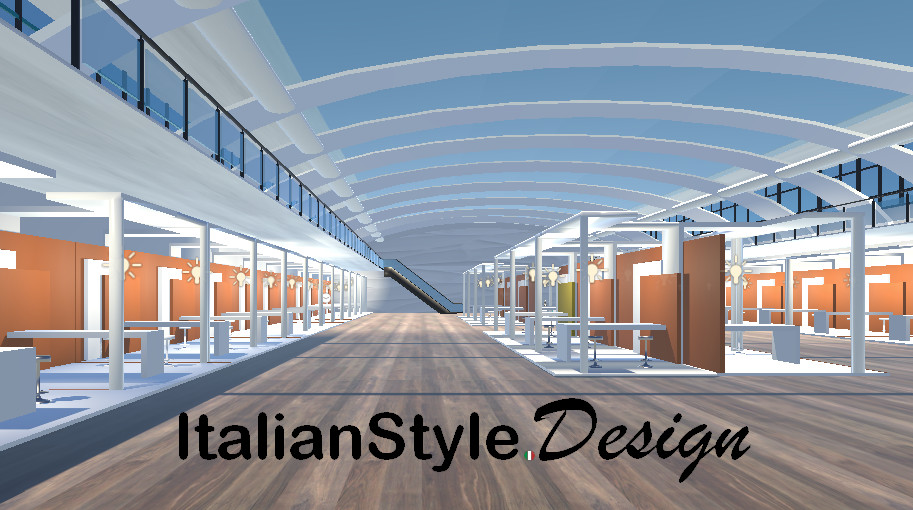
Published in March 2020, this analysis examined how Italian businesses could adapt to coronavirus-driven cancellations and postponements of trade fairs by adopting virtual fair platforms.
The pandemic prompted widespread restrictions on travel and public gatherings, forcing many trade fairs to be cancelled or rescheduled indefinitely. Organisers expected reduced attendance overall, particularly from foreign markets that typically represent key buyers for Italian products. The disruption threatened an established channel for business development and international visibility.
Virtual Fairs as a Practical Alternative
Virtual fair stands offered a cost-effective substitute to physical booths. These platforms allowed businesses to reach global audiences from their offices or homes without the infrastructure investment required for in-person participation. Projects such as italianstyle.design specifically targeted Italian entrepreneurs and companies seeking to minimize losses during the crisis.
The technology required for virtual fairs was not new; such tools had existed for some time but remained underutilised. The pandemic created urgency to adopt and optimise these existing systems. Virtual fairs could support business growth during economic difficulty by transforming constraints into opportunities for expanded market reach.
Complementing Rather Than Replacing Physical Events
Virtual fairs were presented not as permanent replacements for in-person trade fairs but as supplements to them. The strategy involved diversifying communication and visibility channels during an uncertain period. Once conditions normalised, virtual platforms could continue to extend and enhance physical fair experiences rather than eliminate them entirely.
Frequently asked questions
What advantages did virtual trade fairs offer during lockdowns?
Virtual stands cost significantly less than physical booths and allowed businesses to reach international customers without travel, maintaining visibility during fair cancellations and postponements.
Which Italian businesses were most affected by fair cancellations?
Made in Italy companies faced particular challenges because foreign markets—typically fundamental buyers for their products—were unable to attend physical events due to travel restrictions.
Was virtual technology considered a long-term solution?
Virtual fairs were intended to complement physical events, not replace them permanently; they could later expand and strengthen in-person fair experiences.