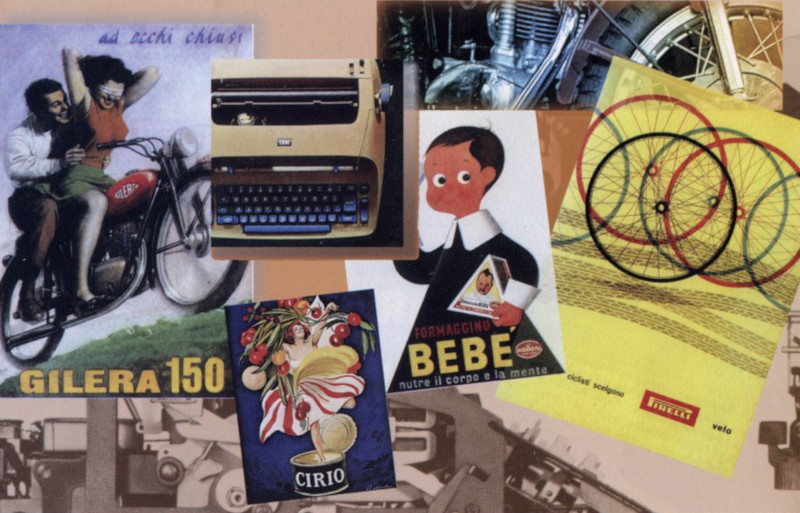
Published in February 2020, this article examines heritage marketing—any communication activity that uses a brand’s historical representation to strengthen its market power. Heritage marketing targets established brands with lengthy histories, aiming to highlight product quality while recounting shared history and reinforcing community belonging.
Building trust through narrative
Heritage marketing establishes immediate consumer trust by clarifying company identity through the reworking of its past and history. Biography as a tool, combined with storytelling’s narrative and testimonial forms, no longer serves merely educational purposes but merges historical processes with active marketing practices. The approach uses company identity to foster feelings of warmth, familiarity, tenderness, and empathy, facilitating purchasing decisions.
Key tools and techniques
Two primary instruments support heritage marketing initiatives. Retro-branding evokes a recognizable historical period—a shared past that audiences may not have experienced but recognize when presented, creating immediate emotional connection. Corporate museums represent the second major tool: physical spaces displaying products, archival images, successive company logos and symbols, and all materials documenting brand history. These spaces allow visitors to immerse themselves in physical and sensory experiences of the brand’s evolution.
Made in Italy as model
Made in Italy exemplifies this approach, functioning in common language as a synonym for quality guarantee. The collective narrative suggests that territorial production benefits both product value and broader national economic improvement. This framework applies across all brands adopting heritage marketing strategies. By exploiting their past while evoking nostalgia, brands simultaneously embrace modern, innovative, and creative futures—the core strength of heritage marketing as a point of connection between economy, art, and community history.
Frequently asked questions
What is heritage marketing?
Heritage marketing is any communication activity that uses a brand’s historical representation to strengthen its market power, establishing consumer trust while emphasizing product quality and community identity.
What are the main tools used in heritage marketing?
Retro-branding evokes recognizable historical periods to create emotional connection, while corporate museums are physical spaces displaying products, images, logos, and historical materials that allow visitors sensory immersion in brand evolution.
How does heritage marketing affect consumer behavior?
By creating warm, familiar feelings and evoking tenderness and empathy through historical narrative, heritage marketing facilitates purchasing decisions and builds immediate consumer trust in the brand.
Sources
- S1 — Montemaggi, Marco, and Fabio Severino. Heritage marketing. La storia dell'impresa come vantaggio competitivo. FrancoAngeli, 2007. ISBN 978-88-464-8742-1.
- S2 — Napolitano, Maria Rosaria, Angelo Riviezzo, and Antonella Garofano. Heritage Marketing: Come valorizzare la storia aziendale. Editoriale Scientifica, 2018. ISBN 978-88-9391-456-7.
Spotted an error? Write to editorial@culturalheritageonline.com and we correct it the same day.