
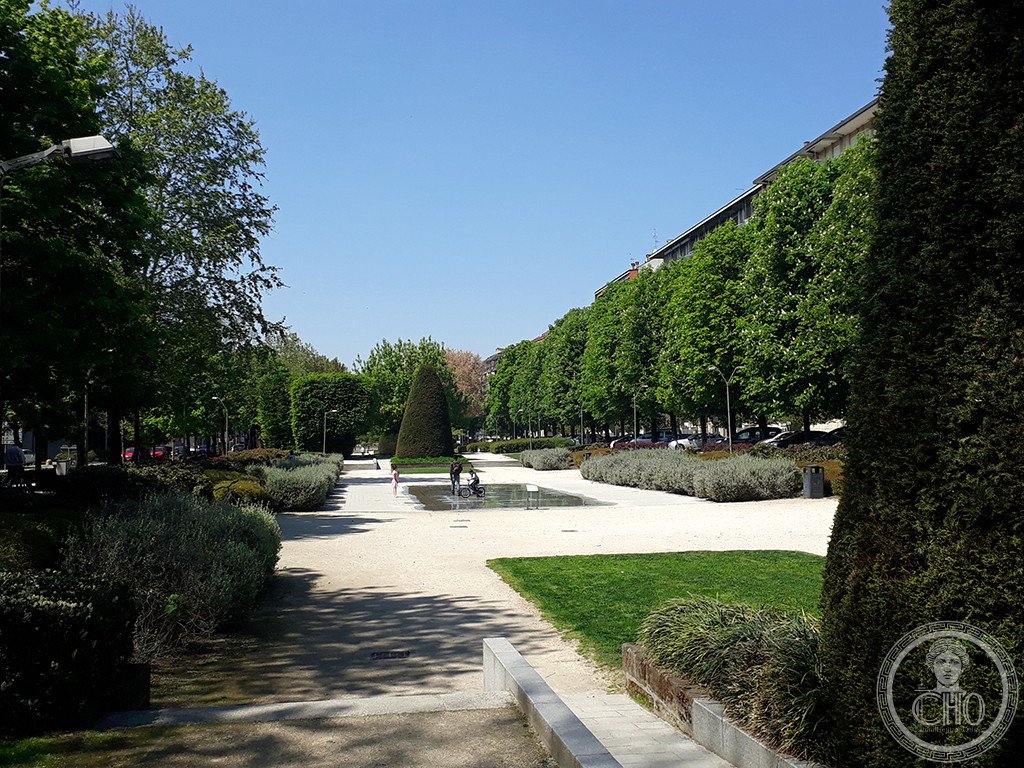
A medieval city founded by Frederick Barbarossa in 1158 on the site of the Roman settlement Laus Pompeia, Lodi rose to prominence during the Renaissance as a centre of artistic achievement and diplomatic significance.
At a glance
Lodi occupies a historic position in Lombardy’s political and cultural landscape. The city emerged from the deliberate reconstruction of an older Roman municipium and episcopal seat, transforming into a prosperous medieval commune and later a Renaissance hub.
History
Frederick Barbarossa founded the city on 3 August 1158, following the destruction of the ancient settlement of Laus Pompeia. That Roman-era town had served as both a municipium and bishop’s seat before its decline.
During the Renaissance, Lodi entered a period of considerable artistic and cultural flourishing. The city gained international prominence in 1454 when it hosted the signing of the Peace of Lodi, a historic treaty between pre-unification Italian states that reshaped regional power dynamics.
What you see
The urban fabric reflects Lodi’s medieval origins and later development. Notable twentieth-century buildings include the Technical Commercial Institute “Agostino Bassi”, which demonstrates the city’s continued architectural investment during the modern era.
Cultural significance
Lodi’s dual heritage—Roman foundations renewed by imperial decree, then Renaissance splendour—marks it as a pivotal site in northern Italian history. The Peace of Lodi stands as one of the era’s defining diplomatic achievements, influencing the balance of power among Italian states for generations.
Key facts
- Founded: 3 August 1158 by Frederick Barbarossa
- Address: Piazza Broletto 1, Lodi
- Coordinates: 45.3097228, 9.50371599999994
- Phone: 0371 409.1
- Official website: http://www.comune.lodi.it/home
Practical information
The city centre is accessible and walkable. For current opening hours of museums and monuments, consult the official municipal website or contact the office directly.
Getting there
Lodi is located in Lombardia, approximately 30 kilometres south of Milan. Regular train services connect the city to Milan and other regional centres. The town centre is compact and best explored on foot from Piazza Broletto.
See the place
Sources & resources
Find it on the map
See this place and what’s around it →Historical events at this place (2)
📷 Become a Cultural Heritage Online photographer
Share your photos of places: they stay published under your name as the author. The more they're seen, the more you get noticed — and soon a contest will reward the most appreciated photos.
Log in or sign up free to add a photo