
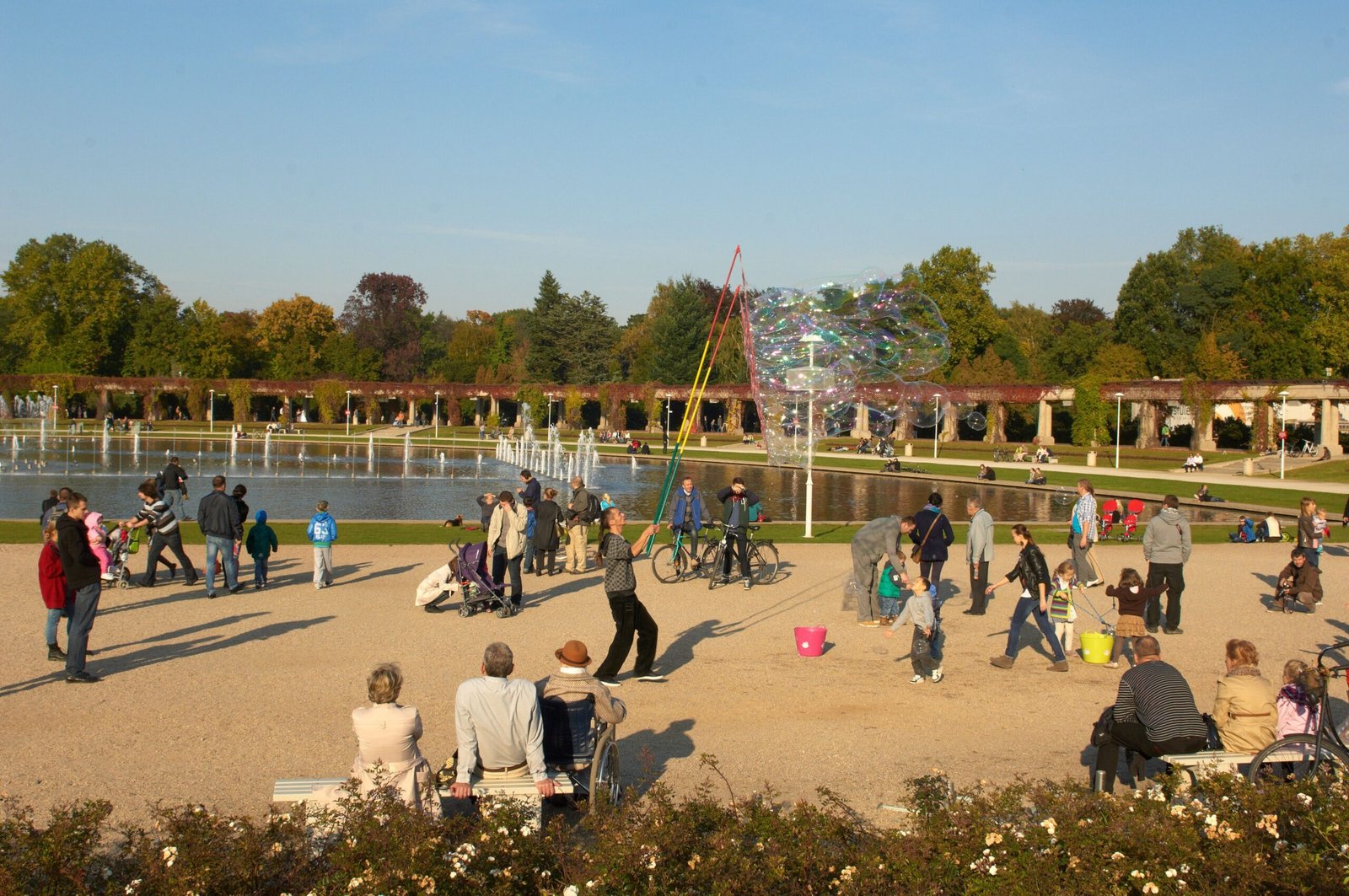
An early-20th-century exhibition complex in eastern Wrocław, designed by Max Berg and Hans Poelzig as a showcase for modern architecture and urban planning.
At a glance
The Wrocław Exhibition Grounds occupy a significant site in the eastern part of the city, adjacent to Wrocław’s zoological garden. Built during the city’s period of rapid industrial and cultural expansion, the grounds represent an important chapter in Polish architectural history and early-20th-century exhibition design.
History
Construction of the exhibition grounds took place between 1911 and 1913, a period when Wrocław was a major cultural and economic center. The project was entrusted to two influential architects: Max Berg, a pioneer of modern design, and Hans Poelzig, a towering figure in European modernism. Their collaboration resulted in a masterplan that would shape the cultural identity of the city for decades to come.
What you see
The grounds reflect the progressive architectural sensibilities of the early 20th century. Berg and Poelzig’s design integrated functional exhibition spaces with innovative structural and spatial concepts, establishing a model for international exposition architecture of the era.
Cultural significance
The Exhibition Grounds stand as evidence of Wrocław’s cultural ambitions during the Austro-Hungarian period and the Weimar era. The site continues to serve as a venue for exhibitions, events, and cultural activities, maintaining its role as a public space for artistic and intellectual exchange.
Key facts
- Location: Wrocław, Poland
- Coordinates: 51.1078°N, 17.0781°E
- Construction period: 1911–1913
- Architects: Max Berg and Hans Poelzig
Practical information & getting there
The Exhibition Grounds are situated in the eastern part of Wrocław, near the city’s zoo. For current visiting hours, exhibitions, and accessibility information, consult local tourism resources or the venue’s official channels.
Sources & resources
Find it on the map
See this place and what’s around it →📷 Become a Cultural Heritage Online photographer
Share your photos of places: they stay published under your name as the author. The more they're seen, the more you get noticed — and soon a contest will reward the most appreciated photos.
Log in or sign up free to add a photoIs this page about you?
This page is read by travellers and heritage enthusiasts who find it on Google. Tell us how you are connected to this place and we will take it from there.