

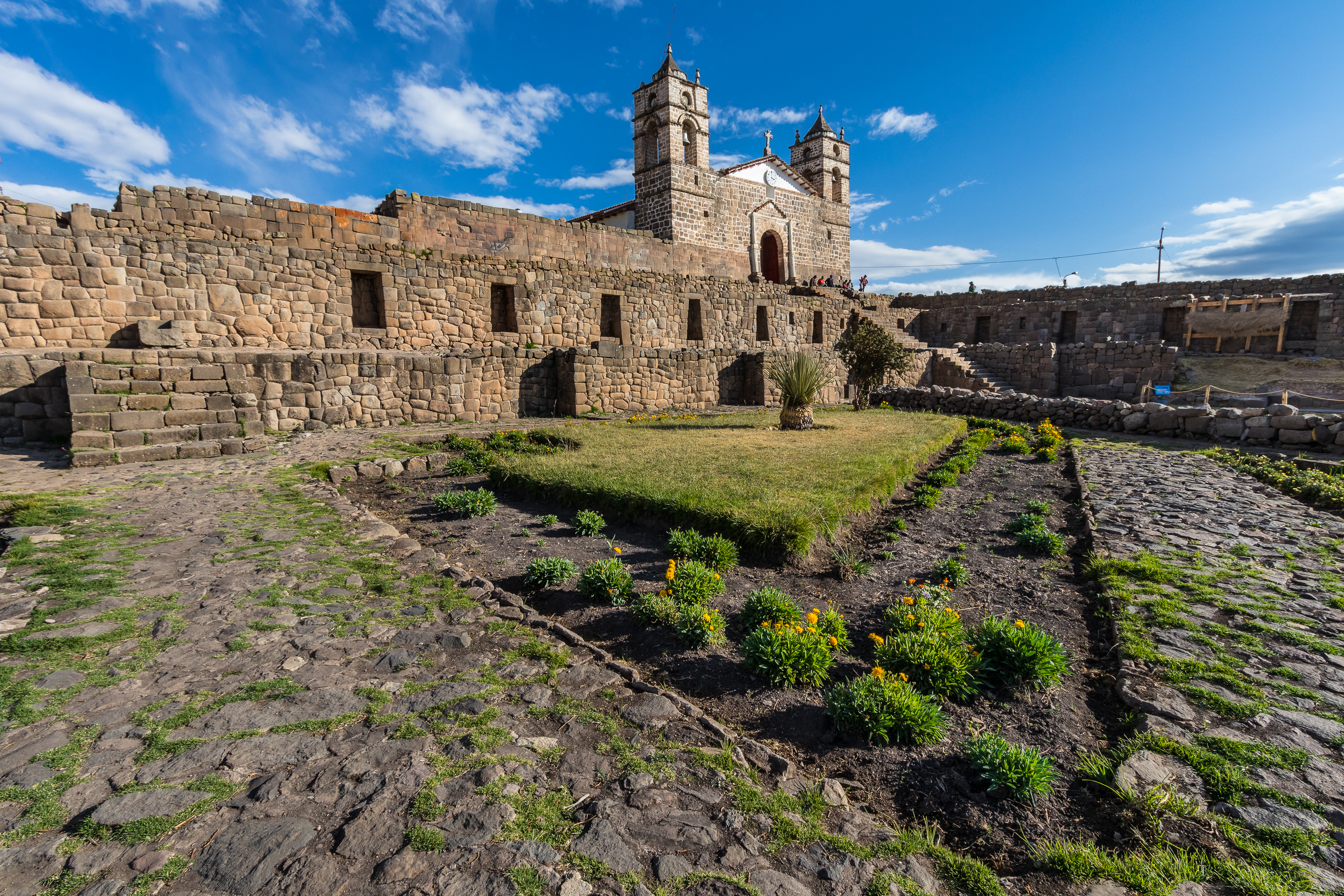
An Inca administrative center high in the Andes, Vilcashuamán preserves two of the empire’s most significant structures: a sacred temple and a ceremonial platform crowned with the legendary Seat of the Inca.
At a glance
Vilcashuamán sits at 3,490 meters on the eastern slopes of the Andes in Ayacucho. The name derives from Quechua Willka Waman, meaning “sacred hawk.” Established after Inca conquest of the Chancas and Pocras peoples, it served as a major administrative and ceremonial hub, with architecture organized around a vast central plaza.
History
The Incas built Vilcashuamán as an administrative center following their military victories over neighboring groups. According to the sixteenth-century chronicler Pedro Cieza de León, the city hosted important ceremonies—including animal sacrifices and libations of corn wine—that reinforced Inca authority and cosmology. The plaza itself functioned as the ceremonial heart, drawing pilgrims and subjects to witness rituals performed by the Inca elite.
What you see
Two monuments dominate the site: the Sun Temple and the Ushnu, a truncated pyramid accessed through a distinctive double doorway typical of royal Inca compounds. The Ushnu’s upper platform supports a large carved stone called the Seat of the Inca, which Cieza de León recorded was once covered in gold leaf. Scholars believe the entire city was laid out in the shape of a falcon, with the Ushnu positioned at its head—a symbolic geometry reflecting Inca cosmological principles.
Cultural significance
Vilcashuamán exemplifies Inca statecraft at its height: the integration of architecture, ceremony, and landscape to project imperial power across newly conquered territories. The site reveals how the Incas adapted local geography and beliefs while imposing their own religious and administrative order. The survival of the Ushnu and temple provides rare archaeological evidence of Inca ceremonial practice and elite material culture.
Key facts
- Country: Peru
- Region: Ayacucho, Vilcas Huamán Province
- Altitude: 3,490 meters
- Coordinates: −13.65311, −73.95396
- Period: Inca empire
Practical information & getting there
Vilcashuamán is accessible from Ayacucho city. The high altitude demands acclimatization. The site is open to visitors, though facilities are basic; plan accordingly. Early morning light illuminates the stone carvings exceptionally well.
Sources & resources
Find it on the map
See this place and what’s around it →📷 Become a Cultural Heritage Online photographer
Share your photos of places: they stay published under your name as the author. The more they're seen, the more you get noticed — and soon a contest will reward the most appreciated photos.
Log in or sign up free to add a photo