
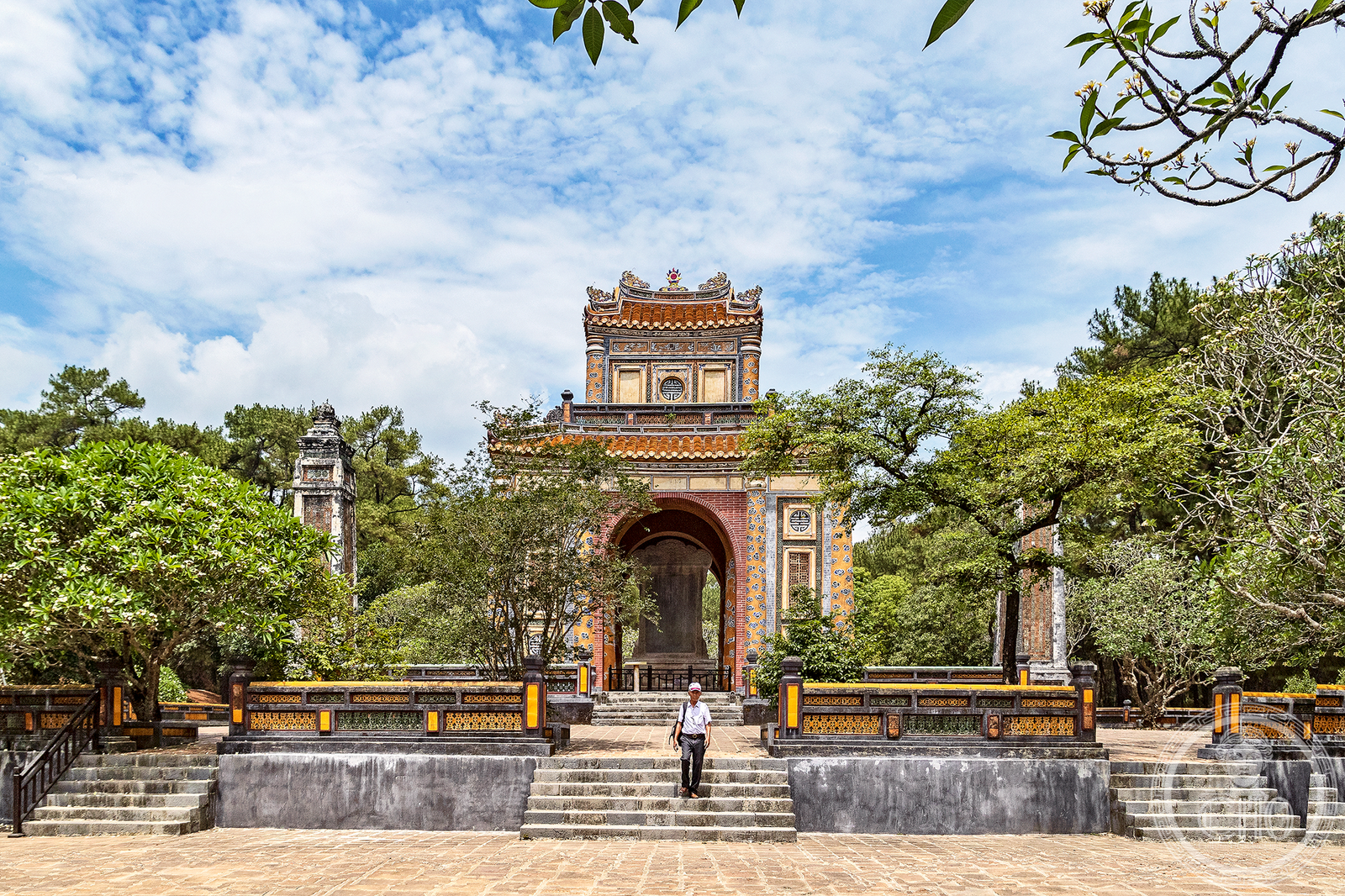
The monumental burial complex of Emperor Tự Đức, built over three years in nineteenth-century Huế, combines temple and tomb in a carefully planned sanctuary.
At a glance
This imperial mausoleum, officially known as Khiêm Mausoleum, was constructed for the Nguyễn Emperor Tự Đức between 1864 and 1867. The complex divides into two distinct functional areas: a Temple Area and a Tomb Area, reflecting Vietnamese imperial funerary architecture of the period.
History
Emperor Tự Đức commissioned his own tomb during his reign, a practice among Nguyễn rulers who oversaw their burial monuments’ construction. Work began in 1864 and took three years to complete, finishing in 1867. The emperor ruled Vietnam from 1848 to 1883, a tumultuous era of French colonial encroachment and internal reform.
What you see
The complex is organized into two principal zones. The Temple Area served ritual and ceremonial functions, while the Tomb Area housed the emperor’s remains. This separation reflects traditional Vietnamese beliefs about the spatial distinction between the living (temple worship) and the dead (burial chamber).
Cultural significance
The tomb exemplifies Nguyễn Dynasty imperial architecture, a synthesis of Vietnamese, Chinese, and French colonial influences. Imperial mausolea like this one stand as testaments to court power and philosophical refinement during Vietnam’s last independent dynasty before full French colonial rule took hold.
Key facts
- Country: Vietnam
- Location: Huế
- Coordinates: 16.4325°N, 107.566°E
- Construction: 1864–1867
- Official name: Khiêm Mausoleum (Khiêm Lăng)
Practical information & getting there
The tomb is situated in Huế, the former imperial capital. Consult local guides and tourism resources for opening hours, admission, and visitor services. For directions and detailed travel planning, contact Huế’s tourism authorities.
Sources & resources
Find it on the map
See this place and what’s around it →📷 Become a Cultural Heritage Online photographer
Share your photos of places: they stay published under your name as the author. The more they're seen, the more you get noticed — and soon a contest will reward the most appreciated photos.
Log in or sign up free to add a photo