

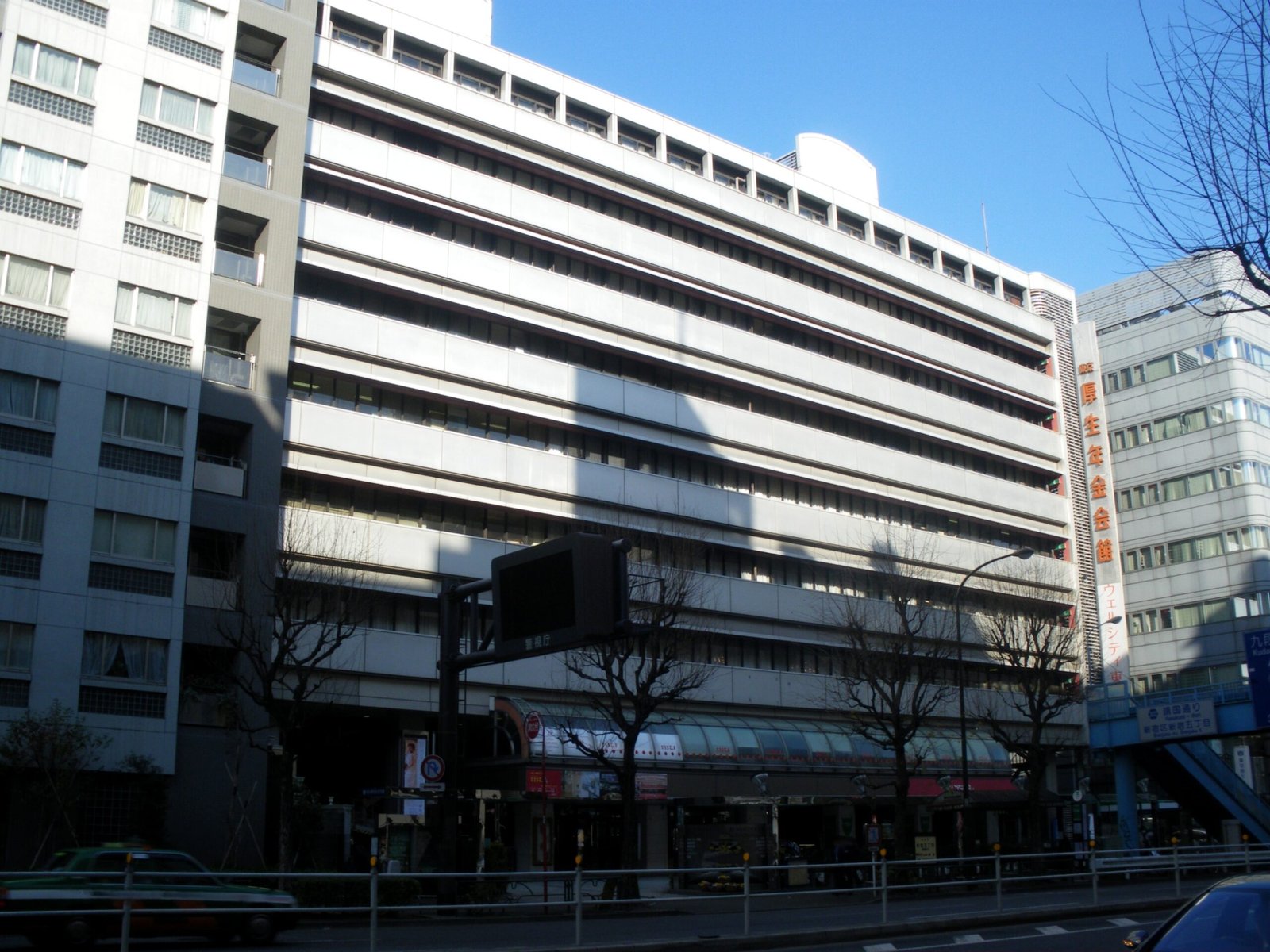
A 2,062-seat concert hall that hosted world-class performers across jazz, rock, and reggae before closing in 2010.
At a glance
Tokyo Kōsei Nenkin Kaikan, also known as Wel City Tokyo, was a mid-sized concert venue with two performance floors. The main hall seated 1,186; the upper floor accommodated 876. It functioned as one of Japan’s public concert halls operated under the Kōsei Nenkin Kaikan system.
History
The hall opened on 15 April 1961 and operated for nearly five decades. It became a significant venue on the international touring circuit, attracting major artists from multiple genres and continents. The hall closed on 31 March 2010.
What you see
The venue’s design accommodated two distinct performance spaces, each with independent seating capacity. This dual-floor arrangement allowed for flexible programming and simultaneous or staggered events.
Cultural significance
The hall’s guest list reflects the breadth of popular music in the late 20th century. John Coltrane’s quintet performed here during their 1966 Japanese tour. Shocking Blue recorded live material for their 1971 album while performing in July of that year. Journey, Rory Gallagher, Bob Marley and the Wailers, and Survivor all took the stage during the venue’s final decades. These performances document the hall’s role in bringing international artists to Japanese audiences.
Key facts
- Country: Japan
- City: Tokyo
- Coordinates: 35.692, 139.7113
- Opened: 15 April 1961
- Closed: 31 March 2010
- Seating capacity: 2,062 total (1st floor: 1,186; 2nd floor: 876)
Practical information & getting there
The venue is no longer operational. Those interested in its history may consult archival recordings and live albums released by artists who performed there.
Sources & resources
Find it on the map
See this place and what’s around it →📷 Become a Cultural Heritage Online photographer
Share your photos of places: they stay published under your name as the author. The more they're seen, the more you get noticed — and soon a contest will reward the most appreciated photos.
Log in or sign up free to add a photoIs this page about you?
This page is read by travellers and heritage enthusiasts who find it on Google. Tell us how you are connected to this place and we will take it from there.