
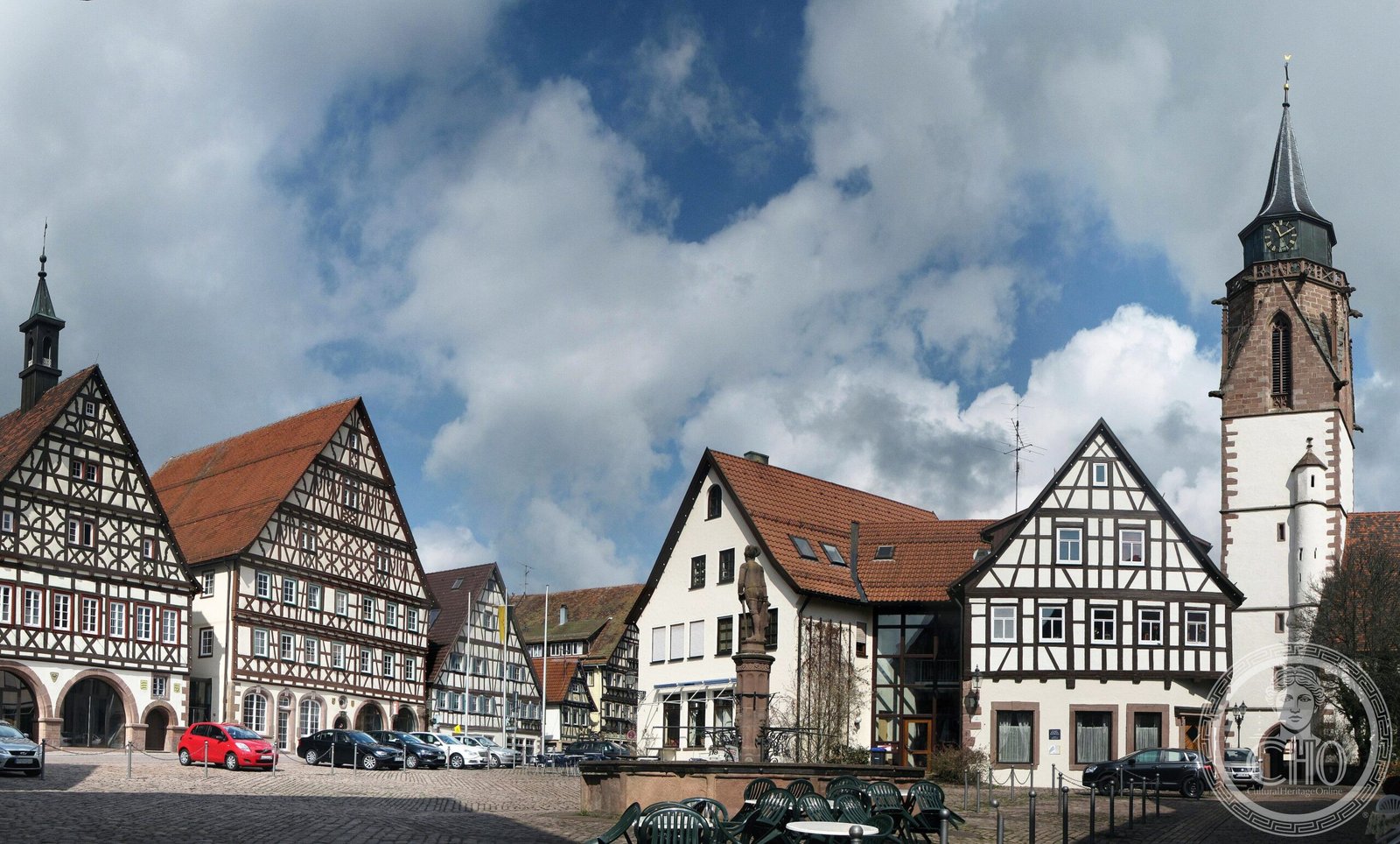
In the heart of Paris, master framers keep alive an ancient craft of squared timbers and wooden joinery—a building method that shaped European architecture for millennia.
At a glance
Timber framing, or Fachwerkbauweise, is a traditional construction method using heavy squared timbers carefully fitted and joined together with large wooden pegs. When the structural frame remains visible on a building’s exterior, it creates the distinctive half-timbered aesthetic. The infill between timbers often serves both structural and decorative purposes.
Origins and history
This building technique emerged from the direct working of logs and trees rather than pre-cut lumber. Early artisans and framers gradually assembled structures by hewing logs with broadaxes, adzes, and draw knives, then securing joints with hand-powered tools including braces, bits, and augers. Used for thousands of years across Europe—from Germany and France to Norway and Switzerland—and throughout Asia, timber framing developed numerous regional styles distinguished by foundation types, wall configurations, beam intersections, curved timber use, and roof details.
The tradition today
Parisian framers maintain the scribing tradition central to French timber framing, a practice that demands precision and intimate knowledge of wood properties. Master craftspeople continue to hand-shape timbers and join them using methods refined over centuries. The tradition persists despite industrial construction alternatives, representing a living link to medieval building practices.
Cultural significance
Timber framing embodies profound knowledge of materials, structural engineering, and aesthetics developed long before mechanized construction. The craft preserves a dialogue between builder and wood—each piece selected, shaped, and positioned for both function and beauty. In France, this tradition demonstrates cultural continuity and mastery passed from craftsperson to apprentice.
Key facts
- Country: France
- Anchor community: Paris
- UNESCO Intangible Cultural Heritage: Scribing tradition in French timber framing (Representative List)
- Method: Heavy timbers squared and fitted, joined with wooden pegs
- Historic spread: Europe (Germany, France, Norway, Switzerland) and Asia
Where to experience it
Historic timber-framed buildings throughout Paris offer visual testimony to the craft, though experiencing the living tradition requires connection with active framers and heritage workshops. Information on apprenticeships and demonstrations may be available through Parisian heritage organizations and craft guilds dedicated to preserving traditional building methods.
Sources & resources
- Timber framing — Wikipedia
- Cultural Heritage Online
Find it on the map
See this place and what’s around it →📷 Become a Cultural Heritage Online photographer
Share your photos of places: they stay published under your name as the author. The more they're seen, the more you get noticed — and soon a contest will reward the most appreciated photos.
Log in or sign up free to add a photo