
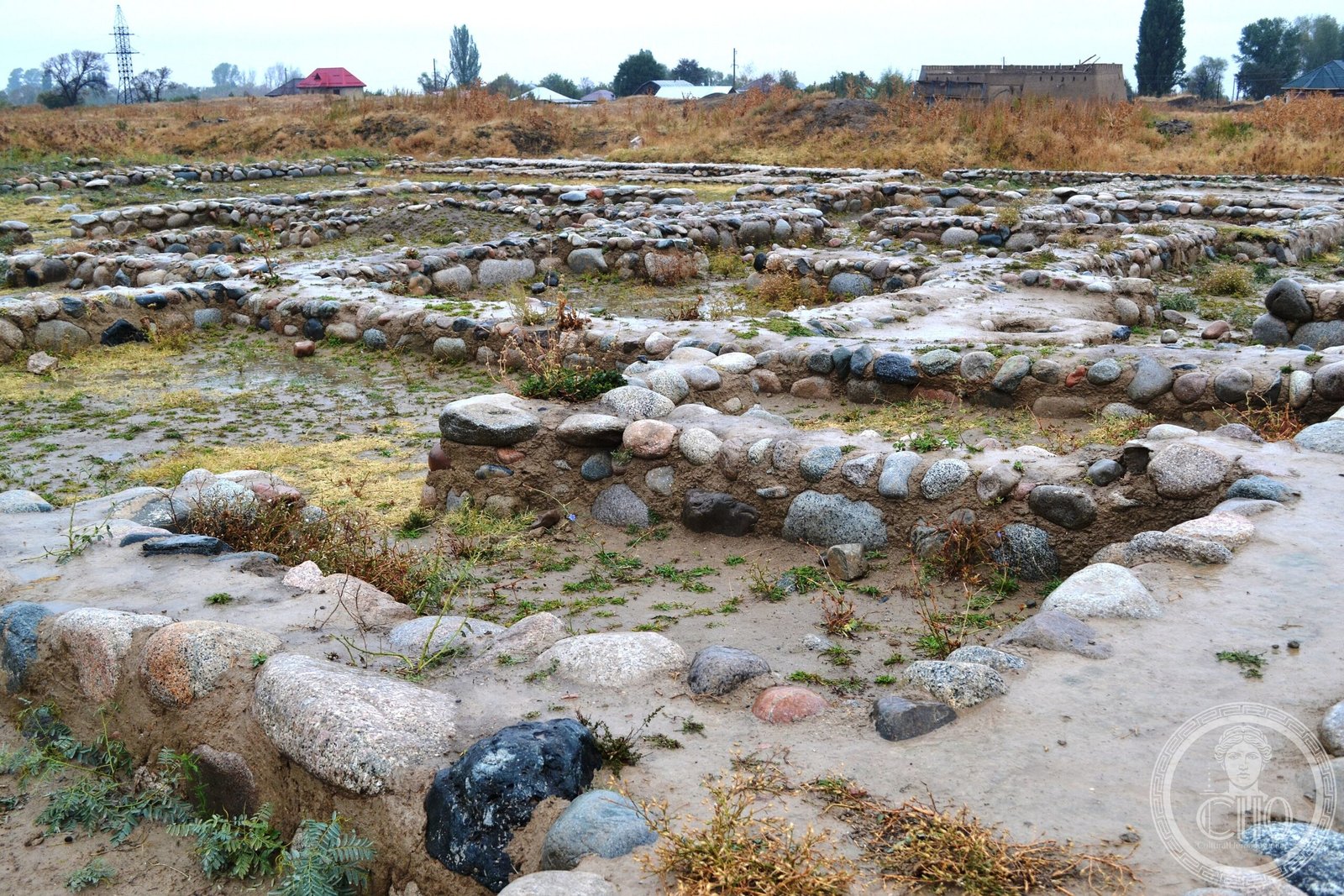
A medieval crossroads on the Silk Road, this 8th-century settlement flourished as a hub of trade, grain cultivation, and craft production across Central Asia’s steppes.
At a glance
Talhiz stands as testimony to medieval commercial and agricultural life in Kazakhstan. The settlement reached its peak development by the 13th century, when it served as a vital waystation for merchants traversing the Great Silk Road between East and West.
History
The settlement was established in the 8th century and expanded significantly over the following centuries. By the 13th century, Talhiz had become a thriving urban center, its prosperity tied directly to the flow of trade goods and merchants along the Silk Road corridor.
What you see
Archaeological remains reveal the layout of a medieval settlement designed to support both residential and commercial functions. The site reflects the architectural and urban planning traditions adapted to Central Asia’s climate and geography.
Cultural significance
Talhiz embodies the interconnectedness of medieval Eurasia. The settlement demonstrates how local communities—engaged in grain farming and handicrafts—integrated into broader trade networks that shaped cultural and economic exchange across continents. Its UNESCO World Heritage status recognizes this historical importance.
Key facts
- Country: Kazakhstan
- Founded: 8th century
- Peak development: 13th century
- Coordinates: 43.27875°N, 77.22333°E
- UNESCO World Heritage site
Practical information & getting there
The settlement lies near the Trans-Ili Alatau mountains in Almaty Region. The surrounding landscape—extensive steppes, cultivated fields, and mountain panoramas—remains largely unchanged from medieval times, offering visitors a sense of the environment that sustained this historic community.
Sources & resources
Find it on the map
See this place and what’s around it →📷 Become a Cultural Heritage Online photographer
Share your photos of places: they stay published under your name as the author. The more they're seen, the more you get noticed — and soon a contest will reward the most appreciated photos.
Log in or sign up free to add a photoIs this page about you?
This page is read by travellers and heritage enthusiasts who find it on Google. Tell us how you are connected to this place and we will take it from there.