

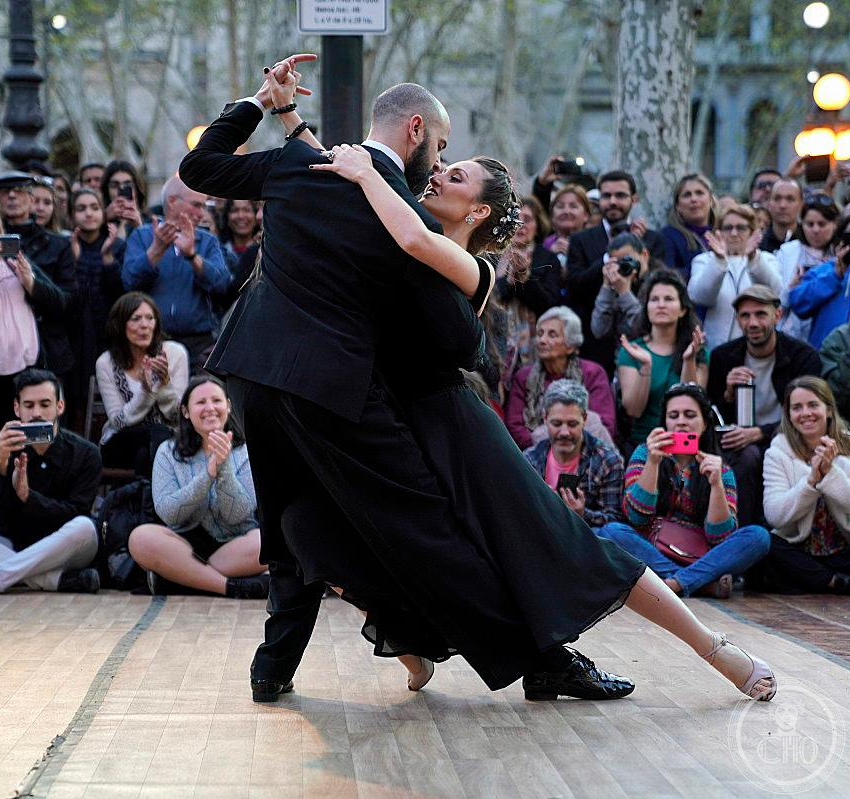
Born in the port bars and brothels of the Río de la Plata in the 1880s, tango is a passionate partner dance that fuses Argentine, Spanish, Cuban, and Uruguayan musical traditions into a practice that has captivated the world.
In UNESCO’s words
The Argentinian and Uruguayan tradition of the Tango, now familiar around the world, was developed by the urban lower classes in Buenos Aires and Montevideo in the Rio de la Plata basin. Among this mix of European immigrants to the region, descendents of African slaves and the natives of the region known as ''criollos,'' a wide range of customs, beliefs and rituals were merged and transformed into a distinctive cultural identity. As one of the most recognizable embodiments of that identity, the music, dance and poetry of tango both embodies and encourages diversity and cultural dialogue. It is practised in the traditional dance halls of Buenos Aires and Montevideo, spreading the spirit of its community across the globe even as it adapts to new environments and changing times. That community today includes musicians, professional and amateur dancers, choreographers, composers, songwriters, teachers of the art and the national living treasures who embody the culture of tango. Tango is also incorporated into celebrations of national heritage in Argentina and Uruguay, reflecting the widespread embrace of this popular urban music.
Official description, UNESCO Intangible Cultural Heritage List — Tango
At a glance
Tango is a social partner dance that emerged from the urban working classes of Buenos Aires and Montevideo. Born from a blend of European immigrant customs, African traditions, and local practices, it has become a distinctive cultural expression rooted in the Rio de la Plata basin. The music, dance, and poetry of tango embody and encourage cultural dialogue, creating a shared identity that continues to spread across the world.
Origins & history
Tango developed from a mix of European immigrant customs, descendents of African slaves, and local creole traditions that merged and transformed over time. This fusion created a distinctive cultural identity among the urban lower classes. As tango adapted to new environments and changing times, it evolved into one of the most recognizable embodiments of that identity, eventually becoming a practice of global reach.
The practice
Today, tango is practised in traditional dance halls where musicians, dancers, choreographers, and composers gather together. The community includes professional and amateur dancers, songwriters, teachers, and recognised cultural bearers. Musicians perform the music that accompanies the dance, while performers interpret the traditions through their work. This living practice continues to adapt while maintaining its connection to the communities that created it.
Cultural significance
Tango matters deeply to Argentina and Uruguay as an embodiment of cultural identity and a vehicle for community connection. It reflects the experiences and heritage of the working-class and immigrant communities who created it. The tradition is celebrated in national heritage observances and has gained recognition far beyond its origins. The worldwide spread of tango demonstrates how the spirit of its community continues to foster cultural dialogue globally.
Key facts
- Country: Argentina, Uruguay
- Inscribed: 2009
- UNESCO list: Representative List of the Intangible Cultural Heritage of Humanity
- UNESCO reference: 00258
- UNESCO vocabulary: Dance; Instrumental music; Vocal music
- Map: Buenos Aires — the locality named in UNESCO’s official description of this element
Where to experience it
Tango thrives in the traditional dance halls of Buenos Aires and Montevideo, where the practice remains central to urban cultural life. Visitors can experience the tradition at milongas throughout these cities, from intimate neighborhood venues to larger gathering spaces. Many milongas welcome newcomers; dancing typically begins in the evening. Local schools offer lessons for those wishing to learn the dance and its partnered movements, while performances and festivals celebrating national heritage provide opportunities to witness this distinctive cultural expression that continues to embody the region's diverse communities.
Sources & resources
- UNESCO — official element page: Tango
- UNESCO — open data record: Intangible Heritage List, reference 00258
- UNESCO — official video: UNESCO film on this element — embedded on this page
- UNESCO — official photograph: Photograph of this element — Correa, Gustavo & Fernandez Dvoskin — 2008, by Ministerio de Cultura Ciudad de Buenos Aires
- Reference — Wikipedia (secondary): Tango — consulted as a secondary reference, not as confirmation
- Cultural Heritage Online: Our archive and city guides

Find it on the map
See this place and what’s around it →📷 Become a Cultural Heritage Online photographer
Share your photos of places: they stay published under your name as the author. The more they're seen, the more you get noticed — and soon a contest will reward the most appreciated photos.
Log in or sign up free to add a photo