
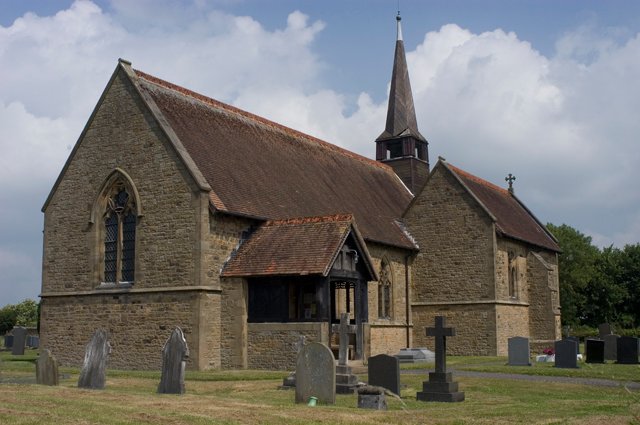
A Victorian parish church in rural Lancashire, designed by the celebrated architectural practice Paley and Austin and completed in the mid-1870s.
At a glance
St Luke’s is an active Church of England parish church serving the village of Winmarleigh in Lancashire. Built between 1875 and 1876, it represents the Victorian era’s investment in rural ecclesiastical architecture. The church remains in pastoral use within the Diocese of Blackburn.
History
St Luke’s Church was constructed in 1875–1876 during a period of significant church building expansion across England. The parish remains active today, serving the local Anglican community as part of the Diocese of Blackburn’s Lancaster deanery.
What you see
The church was designed by Paley and Austin, an architectural partnership renowned for their work on ecclesiastical buildings in northern England. The structure reflects the design sensibilities of High Victorian church architecture, characteristic of the firm’s output during this period.
Cultural significance
St Luke’s is designated as a Grade II listed building on the National Heritage List for England, recognising its architectural and historical importance. The church exemplifies the Victorian era’s commitment to providing substantial places of worship in rural parishes.
Key facts
- Country: United Kingdom
- Location: Winmarleigh, Lancashire
- Built: 1875–1876
- Architects: Paley and Austin
- Coordinates: 53.9252, -2.807
- Listed status: Grade II
- Denomination: Church of England
Practical information & getting there
St Luke’s Church is located in the village of Winmarleigh in Lancashire. As an active parish church, it welcomes visitors during services and at other times by arrangement with the parish office.
Sources & resources
Find it on the map
See this place and what’s around it →📷 Become a Cultural Heritage Online photographer
Share your photos of places: they stay published under your name as the author. The more they're seen, the more you get noticed — and soon a contest will reward the most appreciated photos.
Log in or sign up free to add a photoIs this page about you?
This page is read by travellers and heritage enthusiasts who find it on Google. Tell us how you are connected to this place and we will take it from there.