

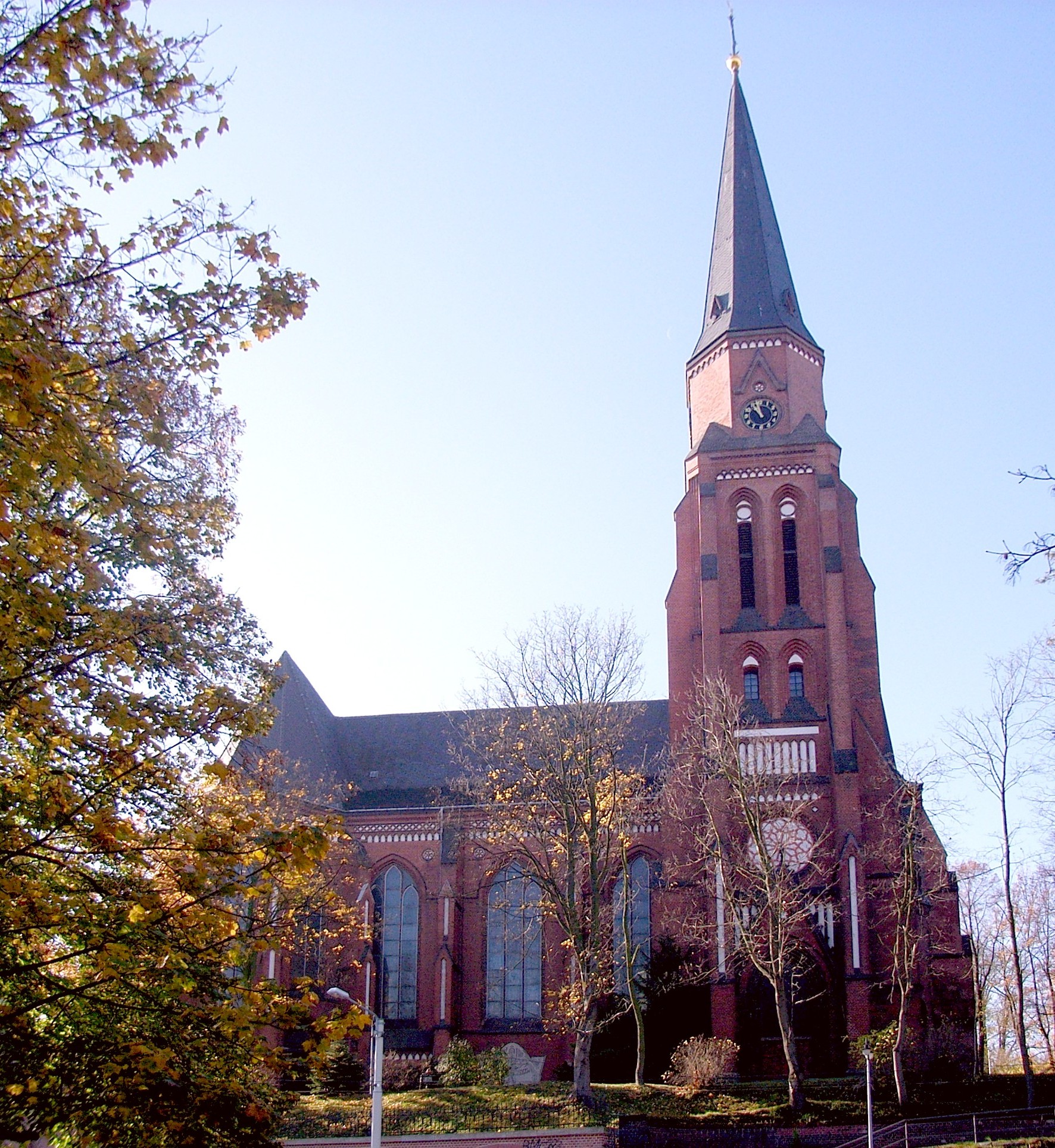
A neo-Gothic cathedral in eastern Germany, St. Jakobus rose from parish church to diocesan seat following the reunification of East and West Germany.
At a glance
St. Jakobus is the cathedral of the Roman Catholic Diocese of Görlitz, dedicated to St. James. Constructed in neo-Gothic style, it was originally consecrated as a parish church in 1900 but elevated to cathedral status in 1994 during the reorganisation of East German dioceses following the fall of the Berlin Wall.
History
The building was consecrated in 1900 as a parish church serving the Catholic community of Görlitz. For nearly a century, it functioned in this capacity until the political and ecclesiastical transformation of Germany after 1989. In 1994, following the restructuring of dioceses in the former East Germany, St. Jakobus was designated cathedral of the newly organised Diocese of Görlitz, substantially elevating its liturgical and administrative importance.
What you see
The cathedral exemplifies neo-Gothic architectural principles popular in late-19th-century religious construction. Its design reflects the stylistic revivals of the period, marrying medieval Gothic inspiration with contemporary building methods and materials typical of 1900.
Cultural significance
St. Jakobus represents both continuity and change in Görlitz’s religious life. Once a modest parish church in a divided Germany, its elevation to cathedral status symbolises the restoration of full diocesan organisation in eastern Germany following reunification and marks the Catholic Church’s renewed institutional presence in the region.
Key facts
- Country: Germany
- City: Görlitz
- Coordinates: 51.1449°N, 14.9795°E
- Consecrated: 1900
- Elevated to cathedral: 1994
- Architectural style: Neo-Gothic
Practical information & getting there
St. Jakobus is located in Görlitz, a city in eastern Germany near the Polish border. Görlitz has rail connections to major German cities. For current visiting hours, liturgical schedules and visitor information, contact the Diocese of Görlitz or check local tourism resources.
Sources & resources
Find it on the map
See this place and what’s around it →📷 Become a Cultural Heritage Online photographer
Share your photos of places: they stay published under your name as the author. The more they're seen, the more you get noticed — and soon a contest will reward the most appreciated photos.
Log in or sign up free to add a photoIs this page about you?
This page is read by travellers and heritage enthusiasts who find it on Google. Tell us how you are connected to this place and we will take it from there.