
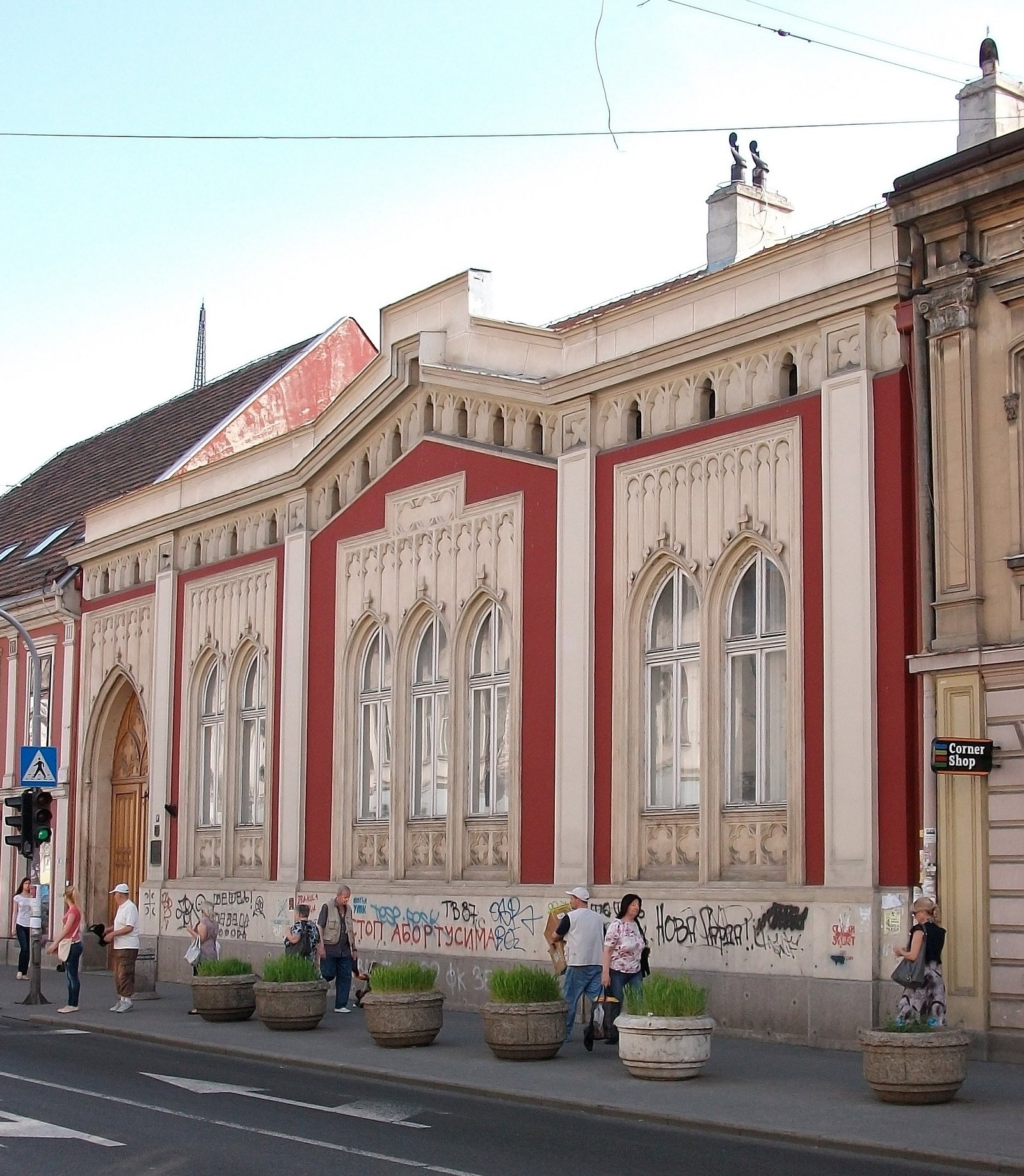
A rare surviving example of Gothic Revival architecture in Belgrade, this 19th-century townhouse now preserves local domestic life through its museum collections.
At a glance
The Spirta House stands as the only preserved representative of Gothic Revival architecture in the wider Belgrade area. Completed in 1855, it has served since as a cultural landmark and now functions as the Zemun Home Museum, offering insight into 19th-century Belgrade life.
History
Constructed in 1855, the Spirta House arrived during a period of architectural transformation in Zemun, the historic northern quarter of Belgrade. The building gained formal protection as a cultural monument in 1965, recognizing its historical and architectural value to the city’s heritage.
What you see
The house exemplifies Gothic Revival design, an architectural movement that reimagined medieval aesthetics for contemporary use. Its distinctive character reflects mid-19th-century tastes in the Danube region, making it architecturally significant within its local context.
Cultural significance
As Belgrade’s sole surviving Gothic Revival residence of its era, the Spirta House documents a vanished architectural tradition. Its transformation into a museum preserves domestic material culture and daily life from the period, offering visitors tangible connection to 19th-century Serbian urban society.
Key facts
- Country: Serbia
- City: Zemun, Belgrade
- Built: 1855
- Current use: Zemun Home Museum
- Protected status: Cultural monument (since 1965)
- Coordinates: 44.8431°N, 20.4122°E
Practical information & getting there
The Spirta House is located in Zemun, accessible from central Belgrade. For current museum hours, admission details, and visiting conditions, consult local tourism resources or contact the Zemun Home Museum directly.
Sources & resources
Find it on the map
See this place and what’s around it →📷 Become a Cultural Heritage Online photographer
Share your photos of places: they stay published under your name as the author. The more they're seen, the more you get noticed — and soon a contest will reward the most appreciated photos.
Log in or sign up free to add a photoIs this page about you?
This page is read by travellers and heritage enthusiasts who find it on Google. Tell us how you are connected to this place and we will take it from there.