
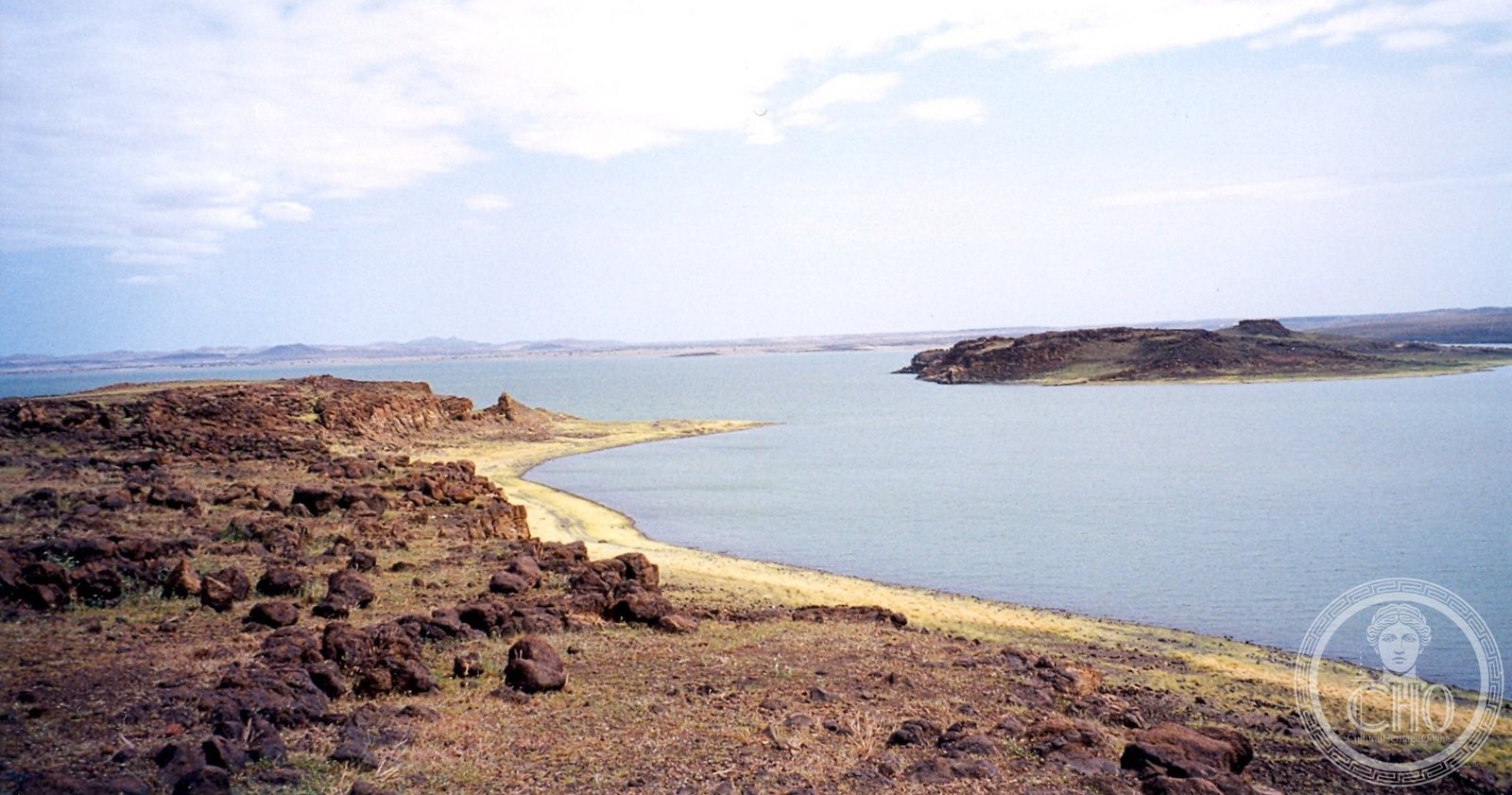
A volcanic island born from rifting, South Island dominates Lake Turkana’s archipelago. First sighted erupting by Hungarian explorer Count Teleki in 1888, it remains a dramatic reminder of East Africa’s geological restlessness.
At a glance
South Island is the largest of three major islands in Lake Turkana. This fissure-formed volcano rises from the alkaline waters of northern Kenya’s most significant lake, its dark volcanic slopes a stark contrast to the surrounding arid landscape.
History
The island was discovered in 1888 by Count Teleki, a Hungarian explorer leading the first European expedition into the remote Lake Turkana region. He encountered the island in an active eruptive state—a dramatic introduction to one of Africa’s most geologically dynamic zones.
The island’s alternate name, Hohnel Island, honors Ludwig von Höhnel, who participated in Teleki’s groundbreaking expedition and contributed to the geographical knowledge of the area.
What you see
The island’s volcanic character defines its appearance. Formed by fissure eruptions, its dark lava formations and crater features are characteristic of the East African Rift’s ongoing geological processes. The stark volcanic terrain contrasts sharply with the lake’s surrounding semi-desert environment.
Cultural significance
South Island represents a crucial point in the European exploration of East Africa. Teleki’s expedition opened the Lake Turkana region to scientific study and international awareness. Today, the island stands as testimony to the dramatic landscapes that shaped early twentieth-century African exploration narratives.
Key facts
- Country: Kenya
- Location: Lake Turkana
- Coordinates: 2.63°N, 36.6°E
- UNESCO World Heritage Site (part of Lake Turkana National Parks)
- Discovered: 1888 by Count Teleki
- Geological type: Fissure-formed volcano
Practical information & getting there
South Island lies within Lake Turkana National Parks, a protected UNESCO World Heritage Site. Access to the island requires travel to northern Kenya and boat transport across Lake Turkana. Visitor facilities and regulations vary; contact Kenya’s wildlife authorities for current access information and permits.
Sources & resources
Find it on the map
See this place and what’s around it →📷 Become a Cultural Heritage Online photographer
Share your photos of places: they stay published under your name as the author. The more they're seen, the more you get noticed — and soon a contest will reward the most appreciated photos.
Log in or sign up free to add a photo