
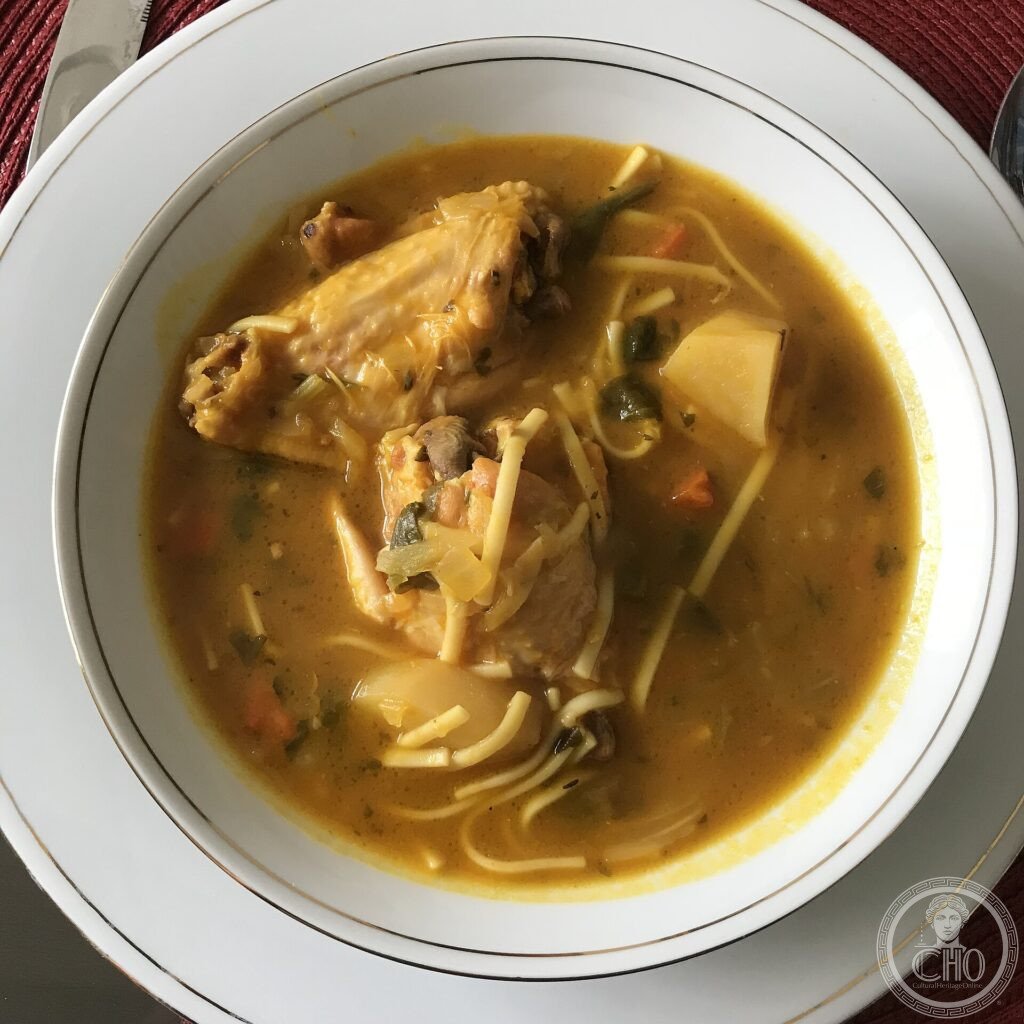
A golden pumpkin soup steeped in Haitian identity and freedom, soup joumou is more than nourishment—it is a living emblem of liberation and family communion.
At a glance
Soup joumou is a pumpkin-based soup that holds profound cultural significance in Haiti. Prepared and shared across generations, it represents resilience, dignity, and the nation’s hard-won independence. The practice of making and serving this soup binds communities together in ritual and remembrance.
Origins & history
The roots of soup joumou run deep into Haitian history and identity. The soup itself is native to Haitian cuisine, evolved through the island’s complex cultural heritage. Its preparation and consumption carry layers of meaning connected to Haiti’s struggle for freedom and self-determination.
The practice
Soup joumou centers on pumpkin as its primary ingredient, transformed through slow cooking and seasoning into a warming, substantial dish. The preparation is deliberate and communal, often involving multiple family members or neighbors in the work of chopping, cooking, and tasting. The soup is traditionally served in bowls, shared at tables where conversation and connection flourish. Its golden color and rich flavor mark occasions of celebration and togetherness.
Cultural significance
For Haitians, soup joumou is inseparable from freedom and dignity. The practice of preparing and eating it together reaffirms bonds of family and community. In Haitian households and gatherings, the soup becomes a vessel for memory, gratitude, and collective identity—a quiet but eloquent statement of cultural pride.
Key facts
- Primary ingredient: pumpkin
- Country: Haiti
- UNESCO Intangible Cultural Heritage inscription: 2021 (Reference 01853)
- Anchor community: Port-au-Prince
Where to experience it
Soup joumou is prepared and shared throughout Haiti, with Port-au-Prince and surrounding regions serving as the heartland of the practice. The soup appears on family tables, in community gatherings, and at celebrations where Haitian identity is honored and renewed.
Sources & resources
- Soup joumou — Wikipedia
- Joumou Soup — UNESCO Intangible Cultural Heritage
- Cultural Heritage Online
Find it on the map
See this place and what’s around it →📷 Become a Cultural Heritage Online photographer
Share your photos of places: they stay published under your name as the author. The more they're seen, the more you get noticed — and soon a contest will reward the most appreciated photos.
Log in or sign up free to add a photo