

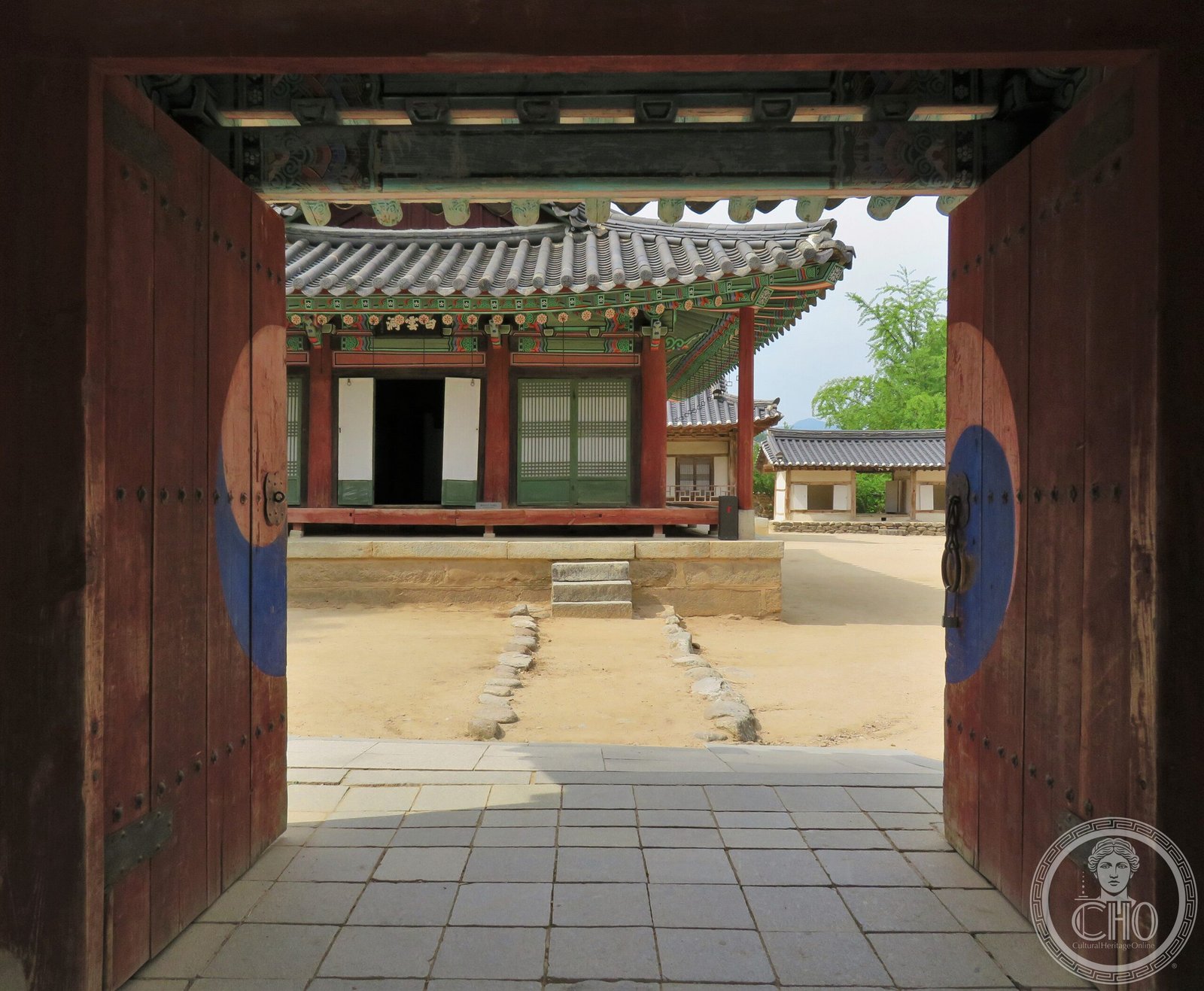
Korea’s oldest surviving Neo-Confucian academy, founded in the 16th century and miraculously preserved through centuries of political upheaval.
At a glance
Sosu Seowon is a private academy devoted to Neo-Confucian learning, established during the Joseon dynasty. Its longevity—spanning over 450 years—makes it a rare survivor among Korea’s seowon institutions.
History
Chu Sebung (1495–1554), magistrate of Pungseong County, founded the academy as a center for scholarly pursuit and moral cultivation. The seowon system flourished during the Joseon period, spreading Neo-Confucian ideals throughout the peninsula.
In 1871, Heungseon Daewongun Regent initiated a major seowon abolishment that devastated the institution. Of nearly 650 seowons, only 47 survived—Sosu Seowon among them. This mass suppression marked a pivotal moment in Korean intellectual history.
What you see
The academy preserves the essential architectural character of a traditional seowon, designed for both teaching and ritual. Its layout reflects Neo-Confucian spatial principles organizing study halls, dormitories, and ceremonial spaces.
Cultural significance
Sosu Seowon exemplifies the role private academies played in transmitting Confucian scholarship and maintaining intellectual life beyond royal patronage. Its survival represents continuity of Korean scholarly tradition despite political pressures and institutional collapse.
Key facts
- Country: South Korea
- Location: Sunheung-myeon, Yeongju
- Coordinates: 36.9256° N, 128.58° E
- Founded: 1495–1554 by Chu Sebung
- UNESCO World Heritage Site: Yes
- Status: Oldest extant seowon in Korea
Practical information & getting there
Sosu Seowon is located in Sunheung-myeon, a rural township in Yeongju, North Gyeongsang Province. The site remains an active center for Neo-Confucian study and preservation. Visitors should check local conditions and hours before planning travel.
Sources & resources
Find it on the map
See this place and what’s around it →📷 Become a Cultural Heritage Online photographer
Share your photos of places: they stay published under your name as the author. The more they're seen, the more you get noticed — and soon a contest will reward the most appreciated photos.
Log in or sign up free to add a photoIs this page about you?
This page is read by travellers and heritage enthusiasts who find it on Google. Tell us how you are connected to this place and we will take it from there.