

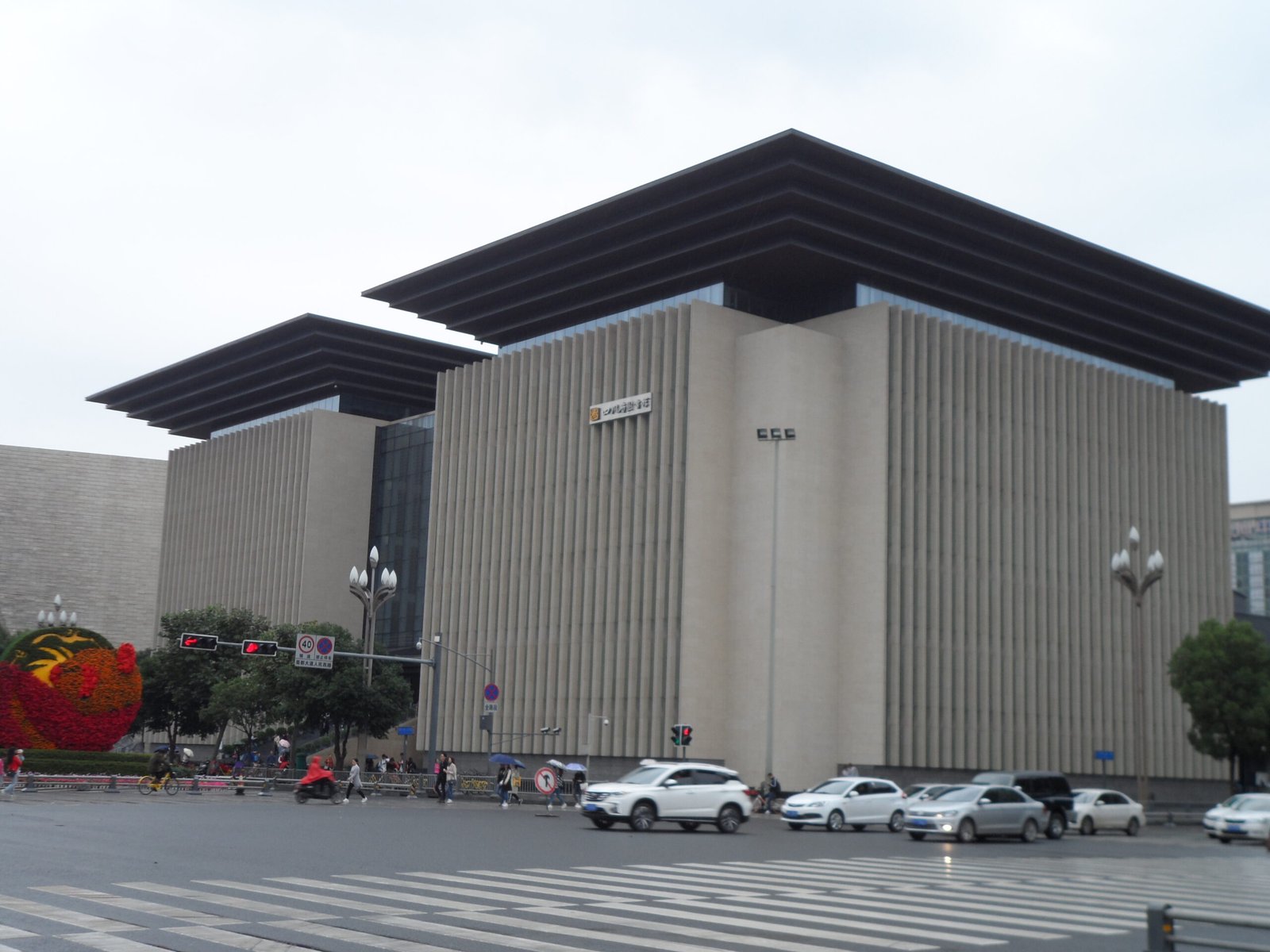
China’s second-oldest public library and the largest in its western region, this institution has served Sichuan’s readers since 1912.
At a glance
The Sichuan Provincial Library stands as a landmark of public learning and cultural access in Western China. Established over a century ago, it ranks among the ten largest libraries nationwide and anchors intellectual life in Chengdu, the provincial capital. Its location near Tianfu Square places it at the geographic heart of the city.
History
The library was officially established in October 1912, emerging during a transformative period in Chinese cultural and political history. As the second oldest public library in China, it pioneered the modern library movement in the region and has continuously served as a repository of knowledge for Sichuan’s scholars, students, and citizens.
What you see
Details of the library’s architecture and interior design are limited in available sources. The building occupies a significant position in central Chengdu, in the Qingyang district, adjacent to the major civic landmark of Tianfu Square.
Cultural significance
The Sichuan Provincial Library represents institutional commitment to public access to information and cultural heritage. Its age and scale underscore the importance of library infrastructure in a major Chinese province, and its proximity to Tianfu Square links it symbolically to Chengdu’s civic identity and modern development.
Key facts
- Country: China
- City: Chengdu
- Established: October 1912
- Status: Largest library in Western China; one of ten largest in China; second oldest public library in China
- Coordinates: 30.66°N, 104.06°E
- Location: Qingyang district, adjacent to Tianfu Square
Practical information & getting there
The library is centrally located in Chengdu near Tianfu Square, making it accessible by public transport. Visitors should check the official website or contact the library directly for current hours, admission policies, and any visitor guidelines.
Sources & resources
Find it on the map
See this place and what’s around it →📷 Become a Cultural Heritage Online photographer
Share your photos of places: they stay published under your name as the author. The more they're seen, the more you get noticed — and soon a contest will reward the most appreciated photos.
Log in or sign up free to add a photoIs this page about you?
This page is read by travellers and heritage enthusiasts who find it on Google. Tell us how you are connected to this place and we will take it from there.