

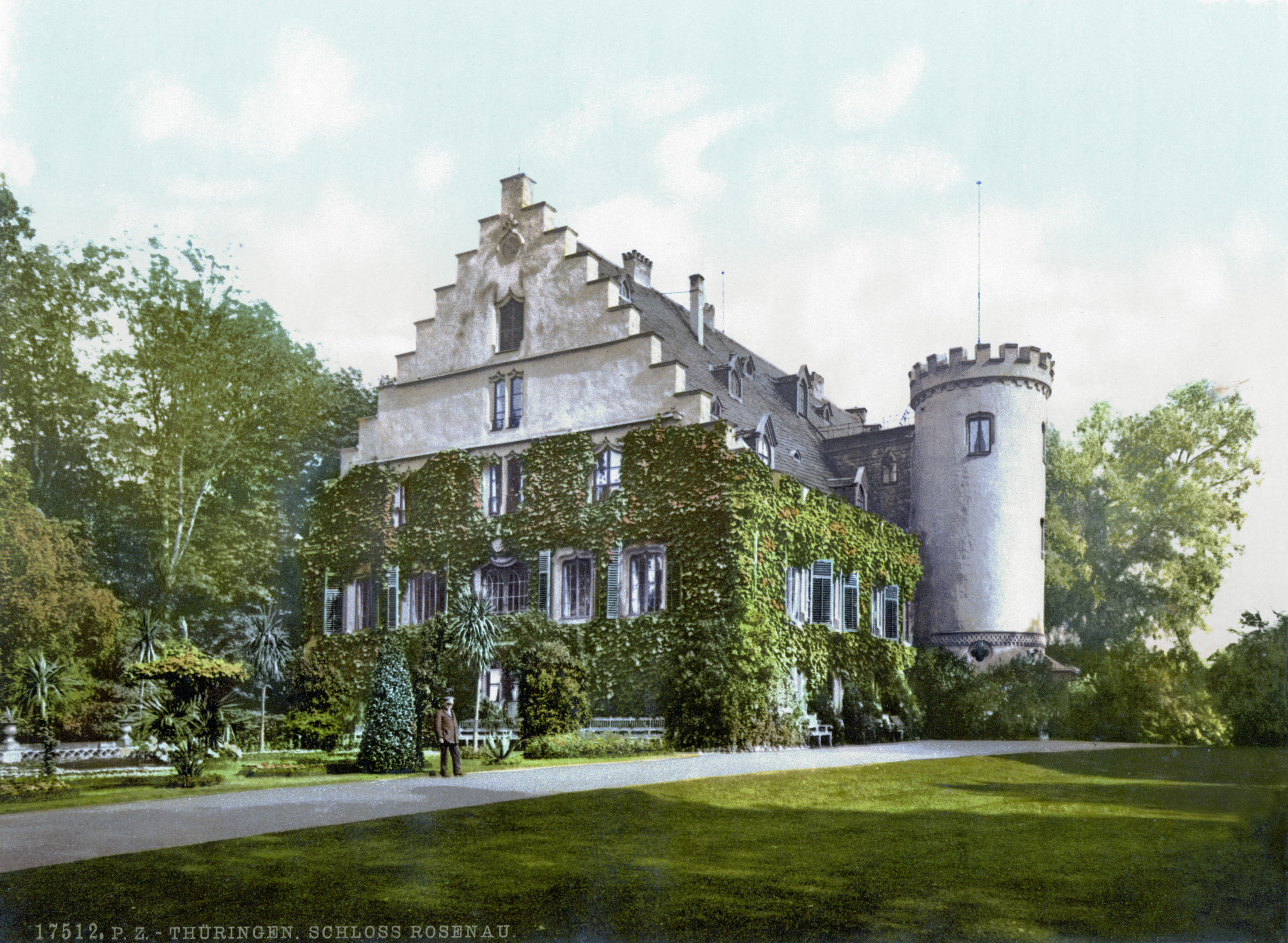
The childhood home of Prince Albert, who married Queen Victoria in 1840, this converted castle remains a window onto 19th-century royal life in Bavaria.
At a glance
Schloss Rosenau stands near Rödental as a graceful country residence in Bavaria, Germany. Originally a castle, it was transformed into a ducal house and is best known as the birthplace and early home of one of history’s most influential royal consorts.
History
Prince Albert of Saxe-Coburg and Gotha was born and raised at Rosenau. In 1840, he married Queen Victoria of the United Kingdom, becoming Prince Consort and shaping the political and cultural landscape of the British Empire throughout the 19th century. The castle’s conversion from fortress to country house reflects the shift in German ducal life toward more intimate, domestic settings.
What you see
The palace exemplifies the transition from medieval military architecture to Romantic-era residential design. Its rooms preserve period furnishings and family mementos connected to Prince Albert’s upbringing and his later influence at the British court.
Cultural significance
Rosenau offers rare insight into the formative years of a man whose tastes and values shaped Victorian Britain. His patronage of the arts, science, and industrial progress began in these rooms and rippled across the English-speaking world. The palace remains an important site for understanding 19th-century Franco-German ducal culture and Anglo-German royal connections.
Key facts
- Country: Germany
- City: Coburg, Bavaria
- Coordinates: 50.2981° N, 11.0225° E
- Historical region: formerly Saxe-Coburg
Practical information & getting there
Rosenau is located near the town of Rödental in Upper Franconia. For current visiting hours, admission fees, and guided tours, consult local tourism information for Coburg. Note: do not confuse this palace with another Rosenau in Austria’s Waldviertel region.
Sources & resources
Find it on the map
See this place and what’s around it →📷 Become a Cultural Heritage Online photographer
Share your photos of places: they stay published under your name as the author. The more they're seen, the more you get noticed — and soon a contest will reward the most appreciated photos.
Log in or sign up free to add a photoIs this page about you?
This page is read by travellers and heritage enthusiasts who find it on Google. Tell us how you are connected to this place and we will take it from there.