
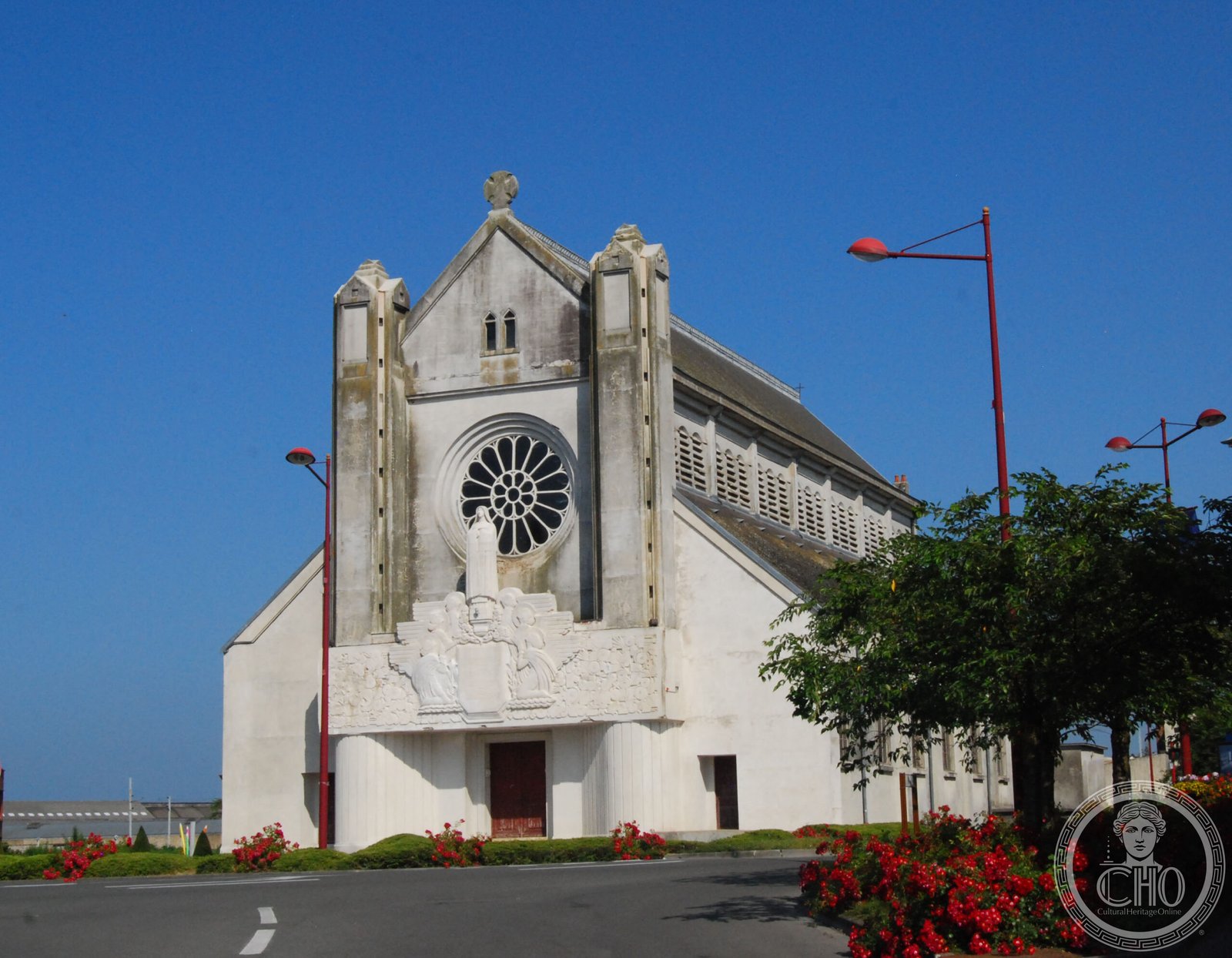
A former Roman Catholic church in northern France, now a concert hall, this Art Deco structure represents the modernist embrace of sacred architecture in early twentieth-century design.
At a glance
Dedicated to Saint Thérèse of the Infant Jesus, this church in Hirson, Aisne, exemplifies the Art Deco architectural tradition. Today it functions as a concert venue, serving the cultural life of the community.
History
The church was constructed to honor Saint Thérèse of the Infant Jesus. Its transformation from active parish church to concert hall reflects broader European patterns of adaptive reuse, preserving historic buildings for public cultural engagement.
What you see
The building embodies Art Deco principles, a modernist style that flourished in early twentieth-century Europe. Clean lines, geometric forms, and the movement’s characteristic elegance define its exterior and interior spaces, adapted to enhance acoustic performance for concerts.
Cultural significance
The conversion of this sacred space into a concert hall demonstrates how religious architecture can transition to new cultural purposes. As both a historical monument and active venue, it bridges Hirson’s ecclesiastical heritage with contemporary artistic life.
Key facts
- Country: France
- City: Hirson, Aisne
- Current use: Concert hall
- Architectural style: Art Deco
- Coordinates: 49.9181, 4.0859
Practical information & getting there
Hirson lies in the Hauts-de-France region of northern France. Before visiting, contact local tourism information to confirm concert schedules and any public access arrangements, as the venue operates primarily as a performance space.
Sources & resources
Find it on the map
See this place and what’s around it →📷 Become a Cultural Heritage Online photographer
Share your photos of places: they stay published under your name as the author. The more they're seen, the more you get noticed — and soon a contest will reward the most appreciated photos.
Log in or sign up free to add a photoIs this page about you?
This page is read by travellers and heritage enthusiasts who find it on Google. Tell us how you are connected to this place and we will take it from there.