

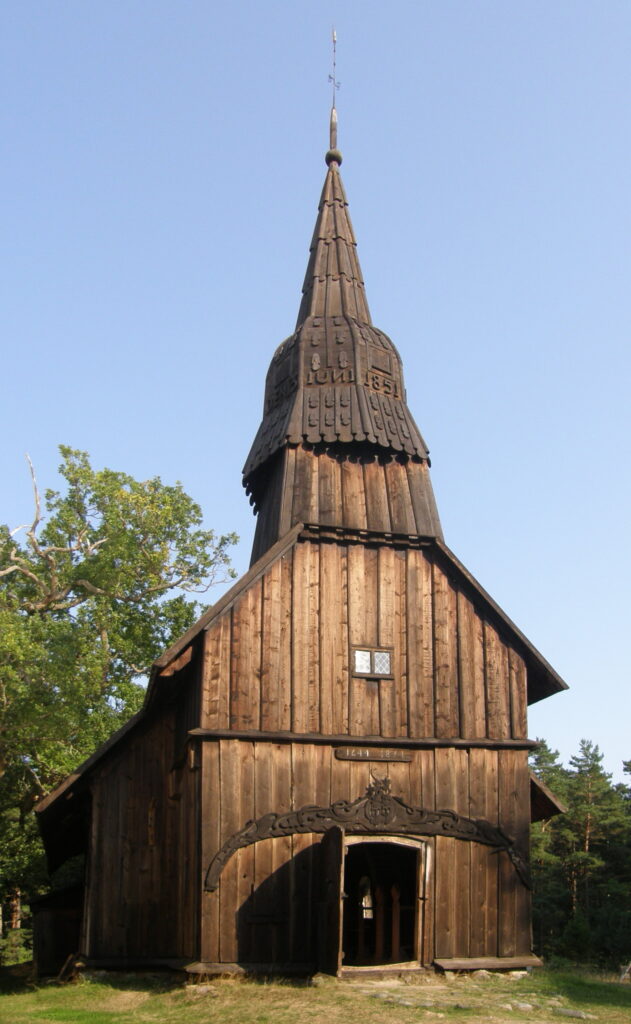
Estonia’s oldest preserved wooden shrine stands on a remote island in the Baltic, a unique architectural survivor of seventeenth-century craftsmanship.
At a glance
A wooden church of exceptional age and rarity, Saint Magdalene represents the earliest surviving timber sacred architecture in Estonia. Built in the mid-seventeenth century, it remains architecturally distinctive across the entire European continent.
History
Construction took place between 1643 and 1644 on Ruhnu Island, a settlement in the Estonian archipelago. The church has endured nearly four centuries of Baltic weather and social upheaval, making it a remarkable testimony to the durability of wooden construction and the island community’s commitment to preserving its religious heritage.
What you see
The structure exemplifies wooden church building at a time when timber was the primary material for such works across northern Europe. Its design and execution set it apart from contemporary European examples, reflecting local Estonian building traditions and craftsmanship. Nearby stands the Ruhnu New Church, built centuries later.
Cultural significance
Saint Magdalene Church anchors the cultural identity of Ruhnu Island and represents an irreplaceable record of seventeenth-century Estonian construction methods. As the oldest wooden shrine in Estonia, it provides scholars with vital evidence about religious architecture, materials science, and island life during the early modern period.
Key facts
- Location: Ruhnu Island, Estonia
- Built: 1643–1644
- Coordinates: 57.80619, 23.24438
- Status: Oldest preserved wooden shrine in Estonia
Practical information & getting there
The church is located on Ruhnu Island in the Estonian archipelago. You can reach the island by ferry from the Estonian mainland. Access may be seasonal; consult local tourism information before planning your visit.
A west vestibule with a low tower was added in the middle of the 18th century, and in the second half of the 19th century, possibly as early as 1851, a sacristy was built on the north side of the chancel and the building was clad in boards inside and out.
Sources & resources
Find it on the map
See this place and what’s around it →📷 Become a Cultural Heritage Online photographer
Share your photos of places: they stay published under your name as the author. The more they're seen, the more you get noticed — and soon a contest will reward the most appreciated photos.
Log in or sign up free to add a photoIs this page about you?
This page is read by travellers and heritage enthusiasts who find it on Google. Tell us how you are connected to this place and we will take it from there.
This entry stays online and free either way — and a free account lets you add to it yourself.