
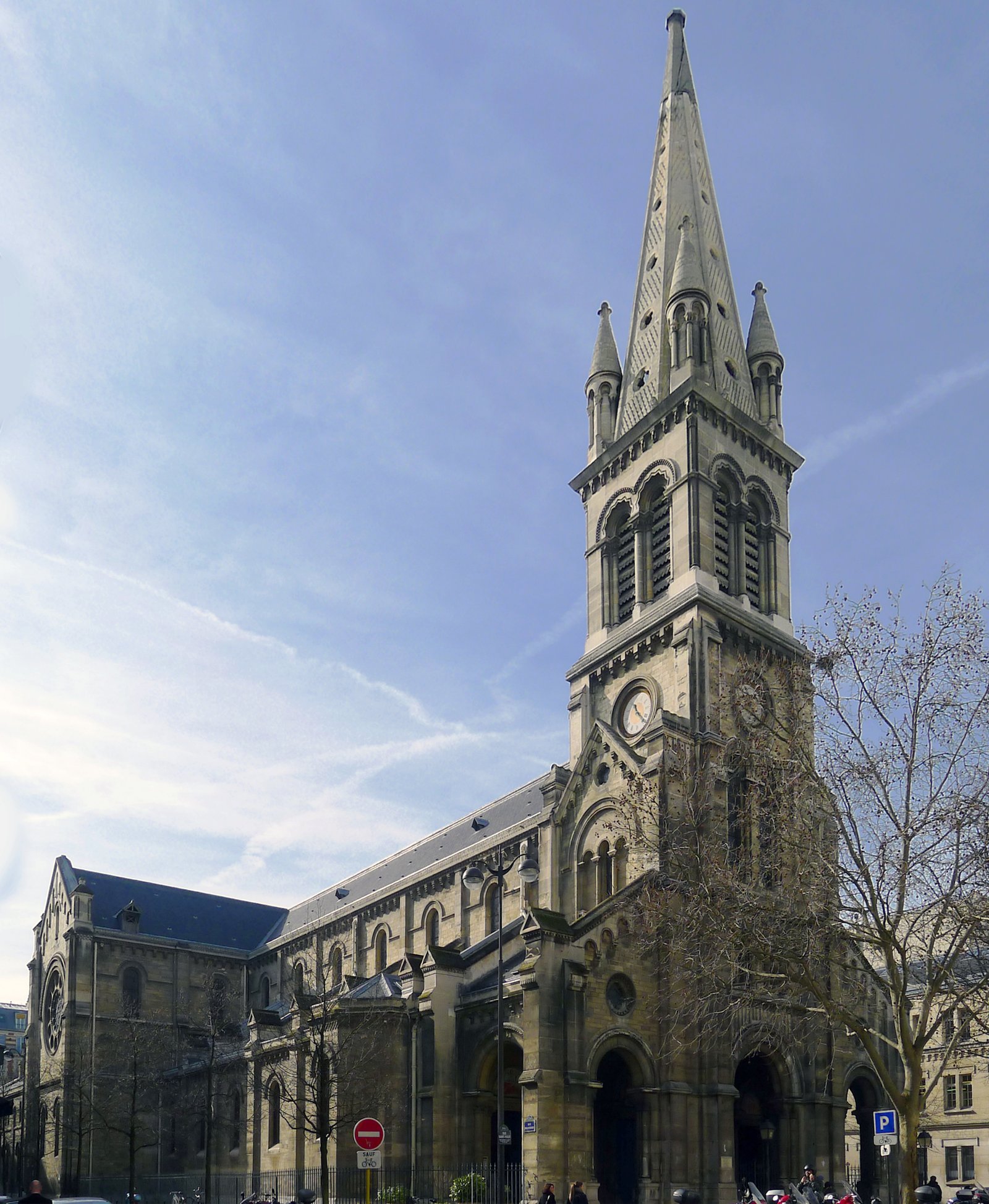
A Neo-Romanesque parish church in Paris’s 11th arrondissement, built to welcome immigrants and distinguish itself among the city’s many churches dedicated to Saint Joseph.
At a glance
Saint-Joseph-des-Nations stands at 161 rue Saint-Maur, a Roman Catholic church completed in the late 19th century. Its Neo-Romanesque design reflects the architectural preferences of the Belle Époque period.
History
The church was constructed between 1867 and 1874 under the direction of architect Théodore Ballu. Its distinctive name was chosen deliberately to set it apart from other Joseph-dedicated parishes across Paris and to signal its role as a spiritual centre for European immigrants settling in the neighbourhood.
What you see
The building exemplifies Neo-Romanesque style, a Victorian-era revival movement that drew inspiration from medieval Romanesque forms. Ballu’s design balances decorative and structural elements characteristic of the period’s religious architecture.
Cultural significance
As a parish church designed with immigrant communities in mind, Saint-Joseph-des-Nations documents 19th-century Paris’s evolving urban identity. The deliberate naming reflects the city’s openness to European migration and the Catholic Church’s role in integrating newcomers through spiritual community.
Key facts
- Location: 161 rue Saint-Maur, 11th arrondissement, Paris, France
- Coordinates: 48.86905, 2.37352
- Built: 1867–1874
- Architect: Théodore Ballu
- Architectural style: Neo-Romanesque
Practical information & getting there
The church is situated in the 11th arrondissement, accessible by Paris’s extensive public transport network. For current visiting hours and services, contact the parish directly or check the church’s official information.
Sources & resources
Find it on the map
See this place and what’s around it →📷 Become a Cultural Heritage Online photographer
Share your photos of places: they stay published under your name as the author. The more they're seen, the more you get noticed — and soon a contest will reward the most appreciated photos.
Log in or sign up free to add a photoIs this page about you?
This page is read by travellers and heritage enthusiasts who find it on Google. Tell us how you are connected to this place and we will take it from there.