
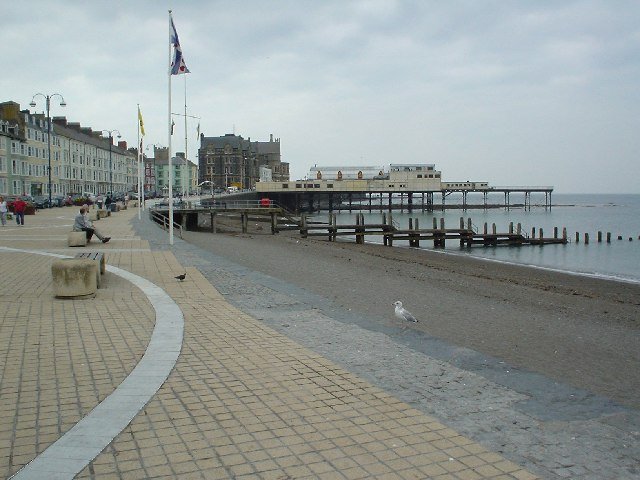
Wales’s first pleasure pier remains a Victorian seaside landmark, though storms have reduced it from its original grandeur.
At a glance
The Royal Pier stands as a testament to Victorian seaside leisure culture. Originally built to a length of 242 metres, this timber structure now survives in shortened form after decades of exposure to Atlantic weather.
History
Opened in 1865, the Royal Pier was the first pier to be built in Wales. It exemplified the era’s enthusiasm for seaside entertainment and promenade culture. A succession of heavy storms over subsequent decades inflicted cumulative damage, necessitating repairs and eventually the removal of sections.
What you see
The pier’s original timber construction extended 242 metres into Cardigan Bay. Its current shortened length reflects the permanent alterations required by storm damage. The remaining structure preserves the character of Victorian seaside engineering.
Cultural significance
As Wales’s pioneering pier, the Royal Pier holds symbolic importance in the country’s recreational history. Aberystwyth’s emergence as a Victorian resort town depended partly on such attractions, drawing visitors who traveled the newly expanded railway network.
Key facts
- Location: Aberystwyth, Ceredigion, Wales, United Kingdom
- Coordinates: 52.4159°N, 4.0878°W
- Opened: 1865 (first pier in Wales)
- Original length: 242 metres (794 feet)
- Current status: Shortened due to storm damage
Practical information & getting there
The Royal Pier is accessible in central Aberystwyth along the seafront promenade. Aberystwyth is served by rail and road connections; consult local tourism services for current pier access and facilities.
Sources & resources
Find it on the map
See this place and what’s around it →📷 Become a Cultural Heritage Online photographer
Share your photos of places: they stay published under your name as the author. The more they're seen, the more you get noticed — and soon a contest will reward the most appreciated photos.
Log in or sign up free to add a photoIs this page about you?
This page is read by travellers and heritage enthusiasts who find it on Google. Tell us how you are connected to this place and we will take it from there.