

A coastal Roman villa of the 1st century AD, unearthed through accidental discovery and systematic excavation across three decades.
At a glance
This archaeological site preserves a Roman villa from the imperial period, discovered buried beneath the modern town of Minori on the Amalfi Coast. The villa represents domestic and bathing facilities typical of wealthy Roman seaside settlements.
History
The earliest documented reference to Roman structures at Minori appears in the 1873–74 records of the Archaeological Commission of the Province of the Principato Citer, where L. Stabiano noted the discovery of Roman baths.
The villa’s excavation began accidentally in 1932, when a house collapse exposed an underground chamber belonging to the site. Systematic excavations commenced in 1934. Significant portions remained buried until 1950, with further discoveries following heavy rainfall on the Amalfi Coast in 1954 and subsequently.
What you see
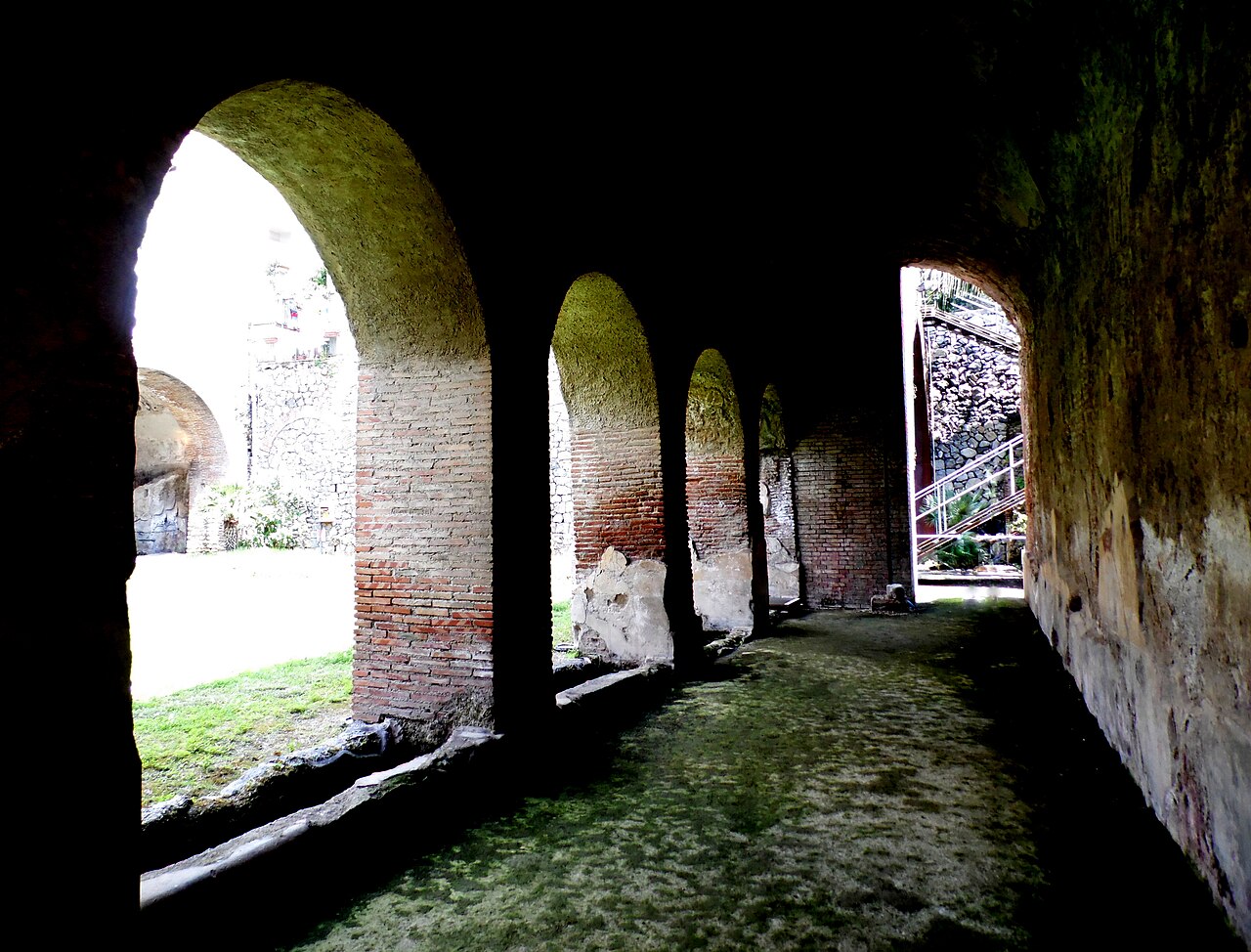
Visitors encounter the fragmentary remains of Roman domestic structures, including bathing facilities characteristic of villas built for the leisure class. The site’s underground chambers offer insight into both the villa’s layout and the engineering required to create living spaces in this challenging coastal terrain.
Cultural significance
The Roman Maritime Villa documents the settlement patterns and lifestyle preferences of wealthy Romans during the imperial age. Its coastal location reflects the desirability of the Amalfi region, which attracted villa construction among the Roman elite.
Key facts
- Address: Via S. Maria Vetrano, 19, 84010 Minori
- Coordinates: 40.65058403496387, 14.62603747844696
- Official website: http://www.villaromanaminori.com
Practical information
The site includes an antiquarium displaying finds from the excavations. Check the official website for current opening hours and admission fees.
Getting there
The villa is located in Minori, a town on the Amalfi Coast in Campania, accessible by road and local transport connections.
Sources & resources
Find it on the map
See this place and what’s around it →📷 Become a Cultural Heritage Online photographer
Share your photos of places: they stay published under your name as the author. The more they're seen, the more you get noticed — and soon a contest will reward the most appreciated photos.
Log in or sign up free to add a photoIs this page about you?
This page is read by travellers and heritage enthusiasts who find it on Google. Tell us how you are connected to this place and we will take it from there.