
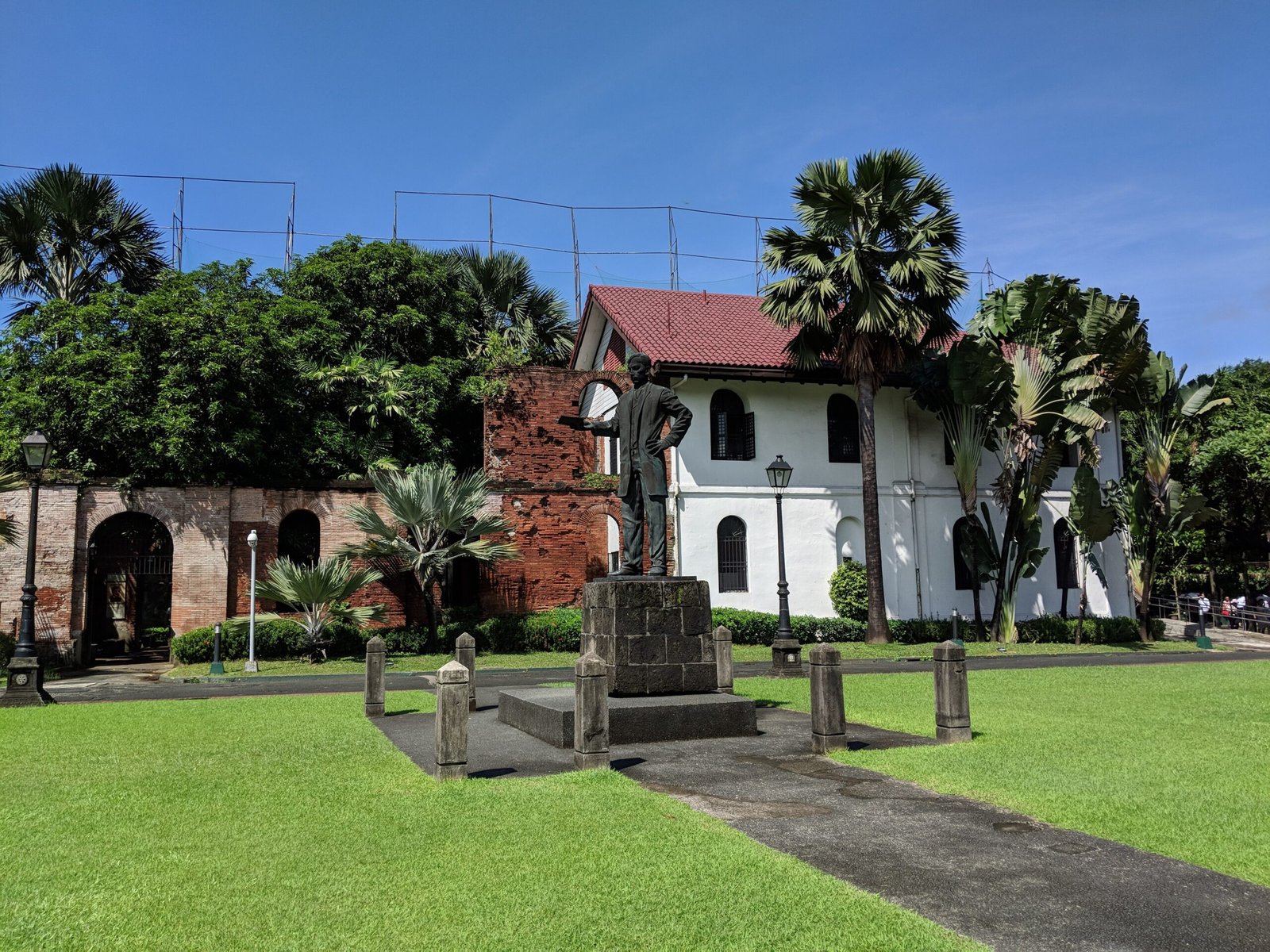
A museum honoring José Rizal, the Philippine nationalist hero, housed in the Fort Santiago barracks where he spent his final night before execution.
At a glance
The Rizal Shrine occupies a historic building within Fort Santiago in Intramuros, Manila’s walled Spanish colonial quarter. It preserves the memory of José Rizal through personal effects, manuscripts, and artifacts spanning his life and legacy.
History
Fort Santiago itself served as barracks for Spanish artillery soldiers during Spain’s colonial rule of the Philippine islands. The building now housing the shrine is the very room where Rizal spent his final night. Before his execution, he concealed his famous poem Mi último adiós (My Last Farewell) inside an oil lamp, which he entrusted to his sister Trinidad—a poignant act of defiance and artistic legacy. In 2014, the National Historical Commission of the Philippines undertook a comprehensive renovation to revitalize the museum and engage younger visitors.
What you see
The shrine occupies a colonial-era military structure positioned beside the Plaza de Armas. Its modest footprint belies its historical weight as the site of Rizal’s imprisonment and farewell.
Cultural significance
José Rizal remains central to Philippine national identity as a writer, reformer, and martyr. The shrine documents his intellectual and artistic contributions through displayed manuscripts and personal possessions. His poem Mi último adiós, smuggled from this very room, stands as one of the most celebrated works of Philippine literature.
Key facts
- Country: Philippines
- City: Manila
- Coordinates: 14.59444444°N, 120.96972222°E
- Location: Fort Santiago, Intramuros, beside Plaza de Armas
- Notable feature: Site where Rizal hid Mi último adiós in an oil lamp
- Collections: Shells from Dapitan, books, manuscripts, and artwork
Practical information & getting there
The shrine is situated within the historic Fort Santiago complex in Intramuros, accessible from central Manila. You can reach it via public transport or walking tours of the walled city. For current visiting hours and admission details, consult the National Historical Commission of the Philippines or local tourism information.
Sources & resources
Find it on the map
See this place and what’s around it →📷 Become a Cultural Heritage Online photographer
Share your photos of places: they stay published under your name as the author. The more they're seen, the more you get noticed — and soon a contest will reward the most appreciated photos.
Log in or sign up free to add a photoIs this page about you?
This page is read by travellers and heritage enthusiasts who find it on Google. Tell us how you are connected to this place and we will take it from there.