

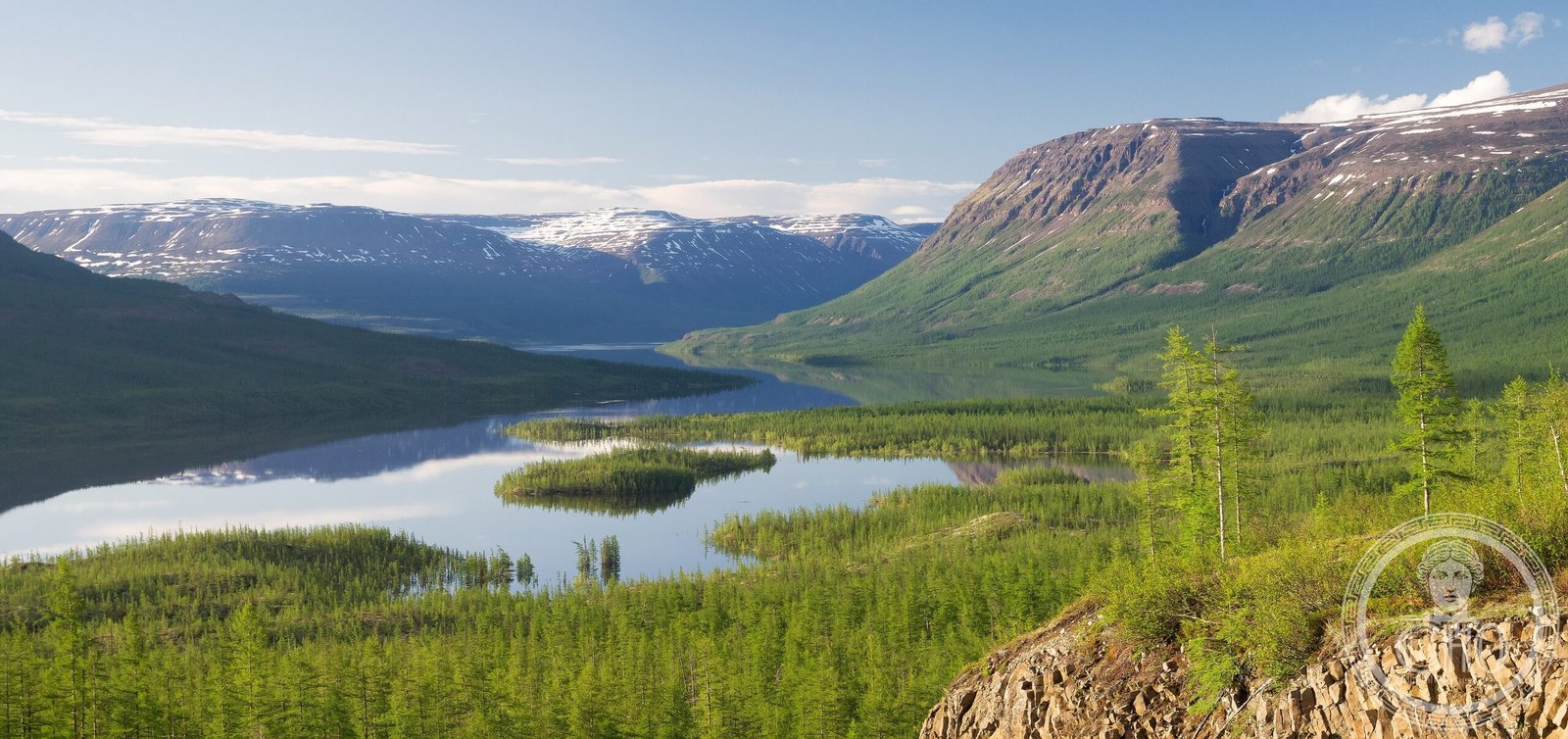
A vast mountainous massif in remote Siberia, the Putorana Plateau spans rugged terrain carved by mountain ranges and holds some of the world’s richest nickel deposits.
At a glance
The Putorana Plateau is a large mountainous expanse in central Siberia, characterized by intersecting ranges and dramatic topography. The nearest significant settlement is Norilsk, approximately 200 kilometers away, though access to the region remains limited due to restricted travel regulations.
History
The plateau’s geological and human history remains understudied in accessible English sources. Its remote location has long isolated the region from intensive settlement or development.
What you see
The landscape consists of a massive plateau intersected by mountain ranges that create a complex, layered terrain. Deep valleys and elevated ridges define the geography, making navigation challenging and views expansive across the Siberian wilderness.
Cultural significance
Recognized as a UNESCO World Heritage site, the Putorana Plateau holds significance for its pristine wilderness and geological importance. The region exemplifies Siberia’s vast, minimally altered landscapes and serves as a critical ecological preserve in an increasingly developed world.
Key facts
- Location: Central Siberia, Russia
- Coordinates: 69.047°N, 94.158°E
- UNESCO World Heritage status: Yes
- Nearest major settlement: Norilsk (with restricted foreign access)
- Geological feature: Contains some of the world’s largest known nickel deposits
Practical information & getting there
The Putorana Plateau lies in an exceptionally remote region with severely limited access. The nearest city, Norilsk, is served by Alykel Airport. Foreign travel to Norilsk is restricted, and permits are required; travel to the plateau itself is extremely difficult and typically requires specialized expeditions. Consult current travel advisories before planning any visit.
Sources & resources
Find it on the map
See this place and what’s around it →📷 Become a Cultural Heritage Online photographer
Share your photos of places: they stay published under your name as the author. The more they're seen, the more you get noticed — and soon a contest will reward the most appreciated photos.
Log in or sign up free to add a photo