
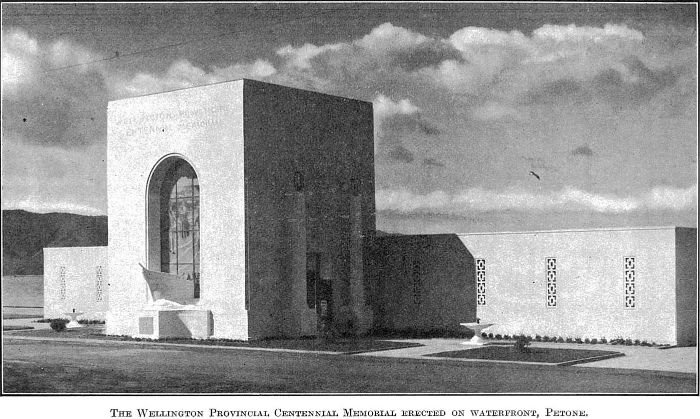
A local history museum housed in the Wellington Provincial Centennial Memorial, a Category 1 heritage building that documents the region’s early European settlement and development.
At a glance
The Petone Settlers Museum occupies a purpose-built historic structure in Petone, the waterfront suburb of Lower Hutt. Originally erected to commemorate the centennial of Wellington province, the building has served as a museum since 1977 and underwent extensive refurbishment in 2016.
History
The Wellington Provincial Centennial Memorial was constructed to mark Wellington province’s centennial celebrations. The museum opened within its walls in 1977, establishing itself as a repository for local historical collections and community narratives. A comprehensive refurbishment in 2016 restored and updated the building’s infrastructure and displays.
What you see
The building itself is the primary architectural feature—a heritage structure recognized as a Category 1 historic building by Heritage New Zealand, the nation’s statutory conservation authority. Its design reflects early twentieth-century institutional architecture and commemorative design principles.
Cultural significance
The museum preserves and interprets the history of Petone and its place in Wellington’s broader colonial and post-colonial narrative. The building’s Category 1 heritage classification recognizes its importance to New Zealand’s architectural and cultural record.
Key facts
- Country: New Zealand
- City: Lower Hutt City
- Coordinates: -41.2293, 174.8802
- Heritage status: Category 1 historic building (Heritage New Zealand)
- Museum opened: 1977
- Major refurbishment: 2016
Practical information & getting there
The museum is located in Petone, a waterfront community in Lower Hutt, accessible from central Wellington. For current opening hours, admission details, and specific exhibitions, consult the museum directly or local tourism resources.
Sources & resources
Find it on the map
See this place and what’s around it →📷 Become a Cultural Heritage Online photographer
Share your photos of places: they stay published under your name as the author. The more they're seen, the more you get noticed — and soon a contest will reward the most appreciated photos.
Log in or sign up free to add a photoIs this page about you?
This page is read by travellers and heritage enthusiasts who find it on Google. Tell us how you are connected to this place and we will take it from there.