
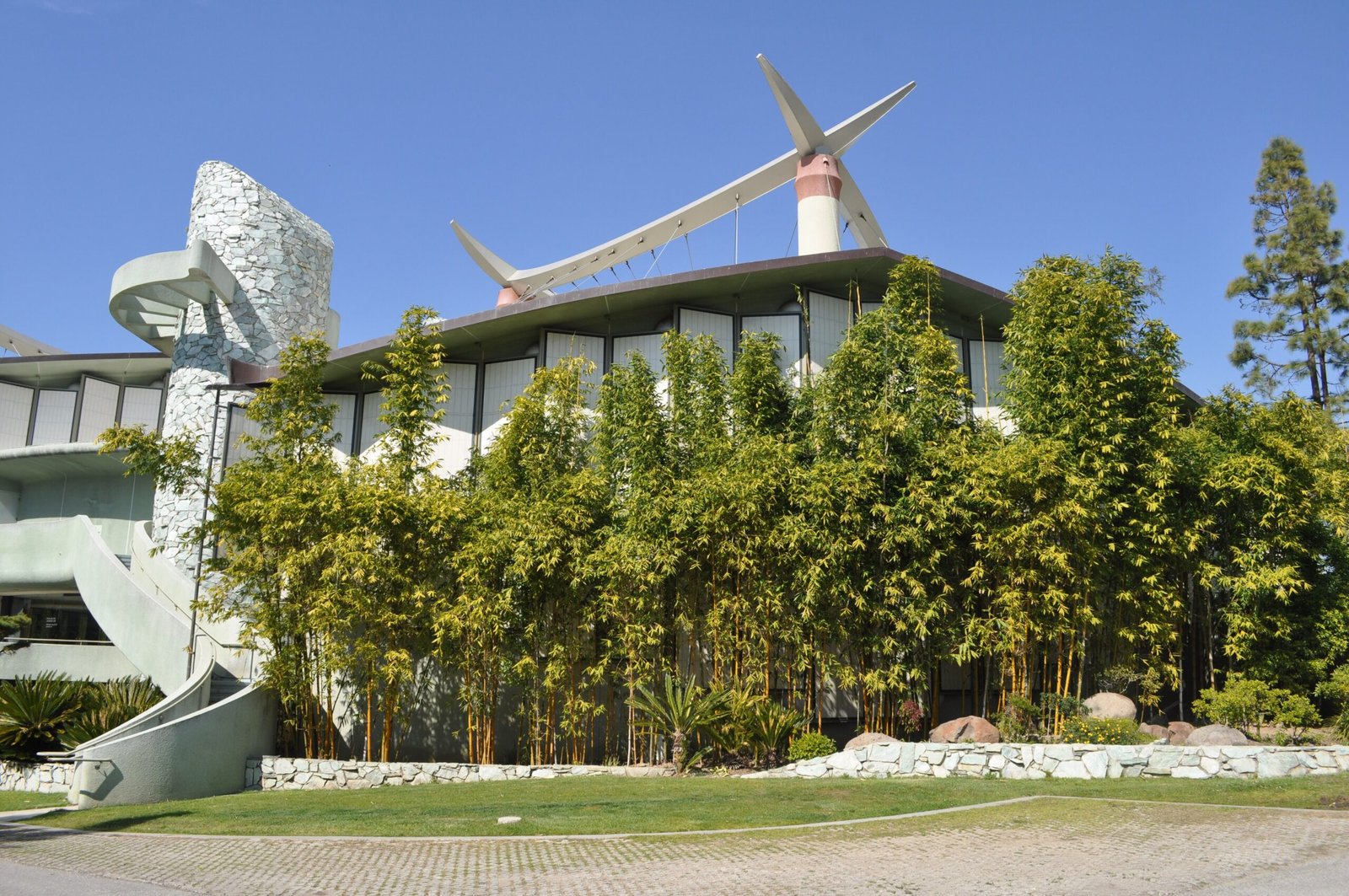
A dedicated space within the Los Angeles County Museum of Art housing one of North America’s significant collections of Japanese artistic heritage, spanning three millennia.
At a glance
The Pavilion for Japanese Art is a specialized wing of LACMA devoted entirely to Japanese works spanning from approximately 3000 BC through the 20th century. The building was designed by renowned architect Bruce Goff, whose distinctive approach shaped the visitor experience of this major cultural institution.
History
The pavilion represents LACMA’s commitment to presenting Japanese artistic traditions across multiple centuries and genres. Its establishment as a dedicated space reflects the museum’s curatorial vision for organizing and interpreting this expansive collection.
What you see
Bruce Goff’s architectural design creates a purposeful environment for viewing Japanese art. The pavilion’s layout and spatial organization serve the museum’s educational mission of presenting works from ancient ceramics through contemporary pieces.
Cultural significance
The pavilion preserves and interprets three thousand years of Japanese artistic achievement, making it an essential resource for scholars, students, and visitors seeking to understand Japanese cultural expression. Its collection encompasses diverse media and periods fundamental to the history of Asian art in America.
Key facts
- Location: Los Angeles, United States
- Coordinates: 34.063299, −118.358016
- Architect: Bruce Goff
- Collection span: c. 3000 BC–20th century AD
Practical information & getting there
The Pavilion for Japanese Art operates as part of LACMA’s galleries. Visit the museum’s website or contact LACMA directly for current hours, admission prices, and details about accessing this specialized collection.
Sources & resources
Find it on the map
See this place and what’s around it →📷 Become a Cultural Heritage Online photographer
Share your photos of places: they stay published under your name as the author. The more they're seen, the more you get noticed — and soon a contest will reward the most appreciated photos.
Log in or sign up free to add a photoIs this page about you?
This page is read by travellers and heritage enthusiasts who find it on Google. Tell us how you are connected to this place and we will take it from there.