
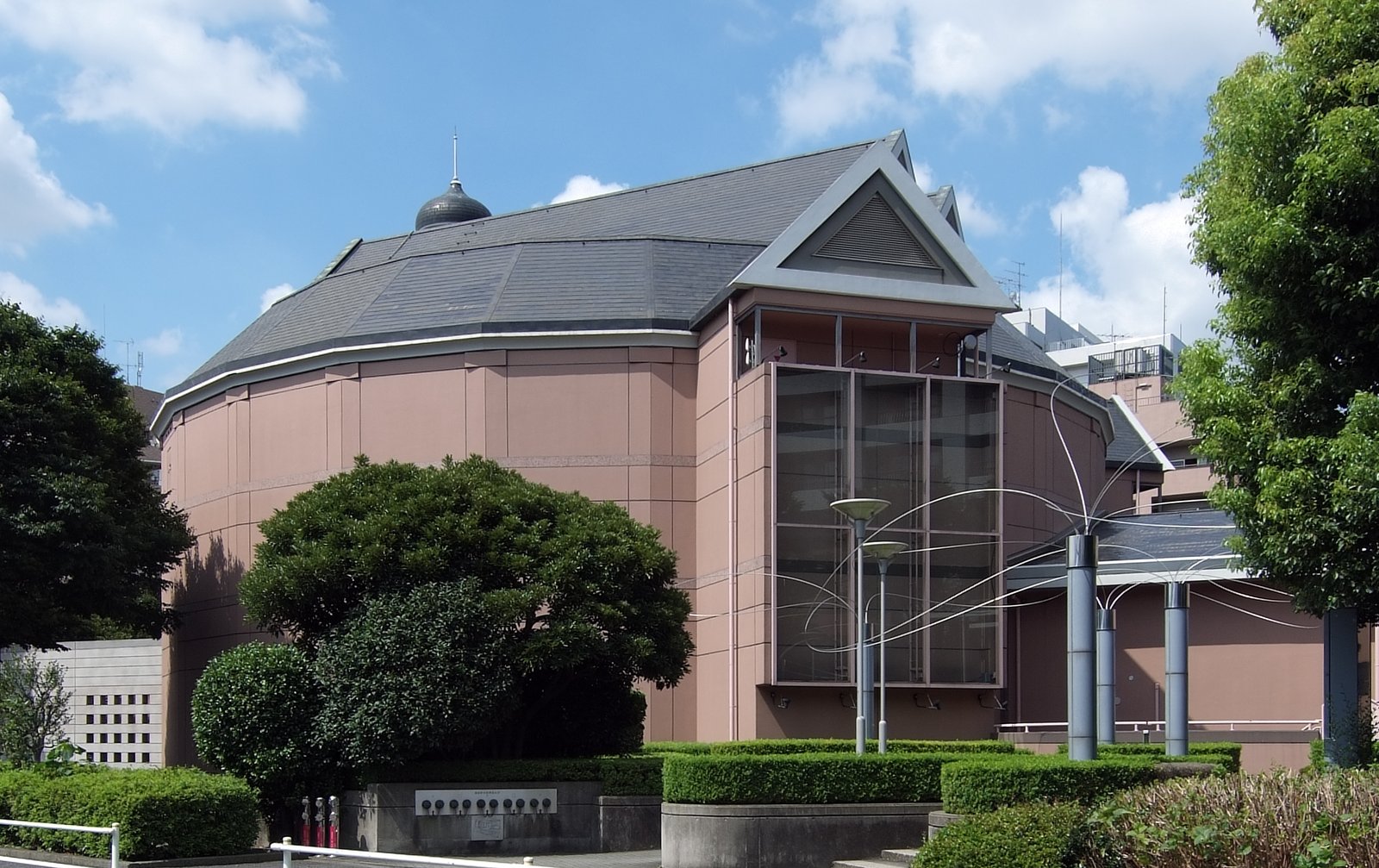
A modern venue dedicated to Shakespeare, bridging Western theatrical tradition with Japanese performance arts through innovative productions and celebrated international guest companies.
At a glance
Tokyo’s Panasonic Globe Theatre stands as a unique cultural space where Shakespeare’s works meet Kabuki tradition. Since its opening, the venue has hosted acclaimed productions from the Royal National Theatre, Royal Shakespeare Company, and Shakespeare’s Globe Theatre, alongside acclaimed directors and celebrated Kabuki performers.
History
Designed by architect Isozaki Arata, the theatre opened in 1988 with an explicit mission to showcase both local and international Shakespeare productions. The venue quickly became a stage for cross-cultural artistic exchange, attracting world-renowned theatre companies and visionary directors including Peter Brook, Ingmar Bergman, and Robert Lepage.
What you see
Isozaki Arata’s design creates a purpose-built space for dramatic performance. The theatre accommodates both traditional Western theatrical presentations and innovative interpretations that blend Western and Japanese performance traditions.
Cultural significance
The Panasonic Globe Theatre represents a landmark achievement in cultural diplomacy. Its programming demonstrates how Shakespeare’s universal themes transcend cultural boundaries—Kabuki stars including Bando Tamasaburo and Ichikawa Somegoro have reinterpreted classic roles, proving that the Bard’s work speaks across theatrical traditions and continents.
Key facts
- Location: Tokyo, Japan
- Coordinates: 35.704822, 139.700357
- Opened: 1988
- Architect: Isozaki Arata
- Focus: Shakespeare productions and international theatre
Practical information & getting there
For current visiting hours, ticket prices, and performance schedules, consult the theatre’s official website or contact the venue directly. Tokyo’s public transport network provides accessible routes to the theatre.
Sources & resources
Find it on the map
See this place and what’s around it →📷 Become a Cultural Heritage Online photographer
Share your photos of places: they stay published under your name as the author. The more they're seen, the more you get noticed — and soon a contest will reward the most appreciated photos.
Log in or sign up free to add a photoIs this page about you?
This page is read by travellers and heritage enthusiasts who find it on Google. Tell us how you are connected to this place and we will take it from there.