
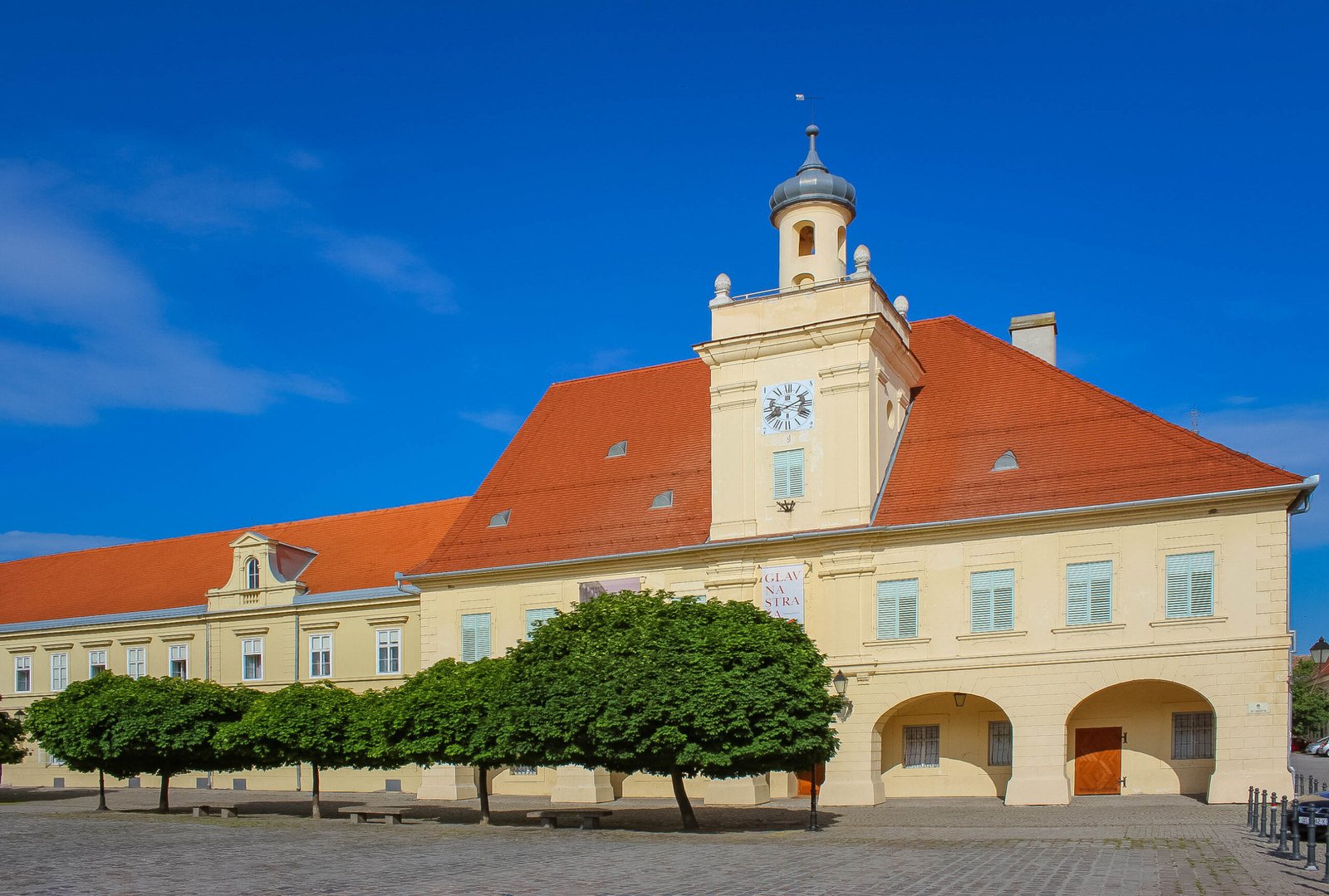
A purpose-built archaeological institution in the historic Tvrđa district, housing artifacts spanning centuries of regional settlement and cultural development.
At a glance
The Osijek Archaeological Museum occupies two heritage buildings: the City Guard and Brožan House. Both structures stand within Tvrđa, Osijek’s fortified old town, a UNESCO World Heritage site known for its Austro-Hungarian military architecture.
History
The museum was formally established on 28 April 2005 by decision of the Croatian government. Following two years of preparation, it opened to the public on 16 November 2007, with Minister of Culture Božo Biškupić presiding over the inaugural ceremony. The institution represents a significant step in organizing and exhibiting the region’s archaeological heritage.
What you see
The museum is housed within two distinct buildings within Tvrđa. The City Guard and Brožan House reflect the district’s characteristic military and civilian architecture from the 18th and 19th centuries, their facades and layouts preserved as part of the fortress quarter’s urban fabric.
Cultural significance
The museum serves as the primary repository for archaeological finds from Osijek and its surrounding region. Its establishment underscores Croatia’s commitment to preserving material culture and making scholarly collections accessible to the public and researchers studying the broader history of the Pannonian Basin.
Key facts
- Location: Tvrđa, Osijek, Croatia
- Established: 28 April 2005
- Opened: 16 November 2007
- Buildings: City Guard and Brožan House
- Coordinates: 45.56083333, 18.69527778
Practical information & getting there
The museum is situated in Tvrđa, accessible via Osijek’s public transport network and on foot from the city center. For current opening hours, admission prices, and exhibition details, consult the institution directly or local tourism resources.
Sources & resources
Find it on the map
See this place and what’s around it →📷 Become a Cultural Heritage Online photographer
Share your photos of places: they stay published under your name as the author. The more they're seen, the more you get noticed — and soon a contest will reward the most appreciated photos.
Log in or sign up free to add a photoIs this page about you?
This page is read by travellers and heritage enthusiasts who find it on Google. Tell us how you are connected to this place and we will take it from there.