
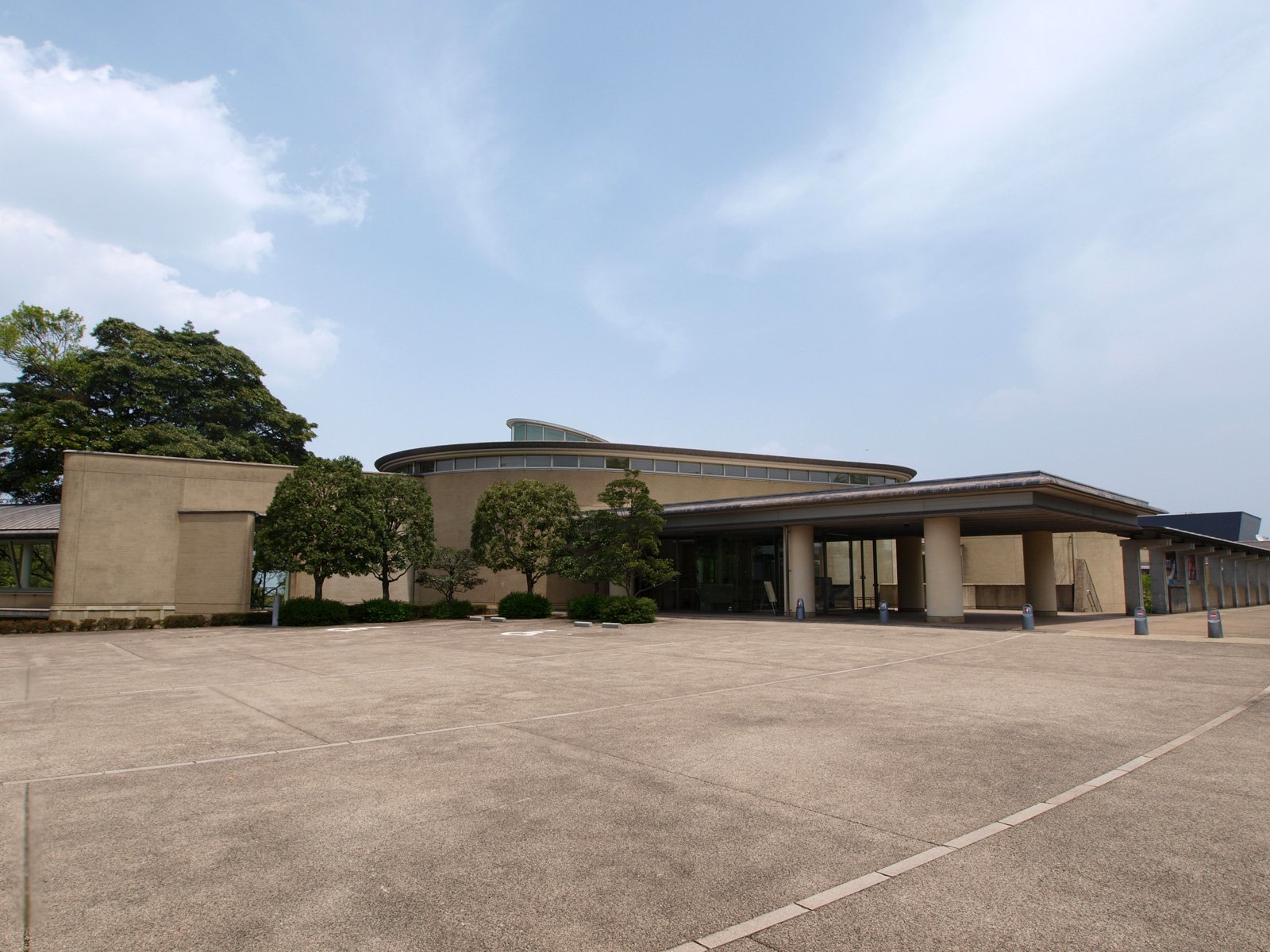
A contemporary museum dedicated to Japanese visual arts, housing significant works in traditional and modern media alongside materials related to the Edo-period scholar Tanomura Chikuden.
At a glance
Opened in 1999, the Oita Art Museum serves as a regional center for Japanese artistic traditions. The collection spans Nihonga (Japanese-style painting), Yōga (Western-style painting), Bungo Nanga (literati painting), and contemporary crafts and sculpture.
History
The museum was established in 1999 in Ōita Prefecture, a region with deep roots in Japanese artistic culture. A cornerstone of the collection comprises Important Cultural Property materials relating to Tanomura Chikuden, the influential Edo-period literati painter and scholar.
What you see
The museum displays works across multiple traditions. Japanese-style painting, Western-influenced works, and literati-school pieces occupy main galleries alongside craft objects and contemporary art, reflecting the breadth of Japanese aesthetic practice from historical to modern periods.
Cultural significance
The museum preserves and interprets a crucial archive of Japanese artistic heritage. The Tanomura Chikuden materials are particularly important, documenting the intellectual and creative output of one of Japan’s most revered literati artists and connecting visitors to centuries of aesthetic philosophy.
Key facts
- Opened: 1999
- Location: Ōita, Ōita Prefecture, Japan
- Coordinates: 33.223569, 131.602242
- Collection highlights: Nihonga, Yōga, Bungo Nanga, crafts, modern art, and Important Cultural Property materials relating to Tanomura Chikuden
Practical information & getting there
The museum is located in Ōita city. For current opening hours, admission fees, and directions, visit the museum directly or consult local tourism resources in Ōita Prefecture.
Sources & resources
Find it on the map
See this place and what’s around it →📷 Become a Cultural Heritage Online photographer
Share your photos of places: they stay published under your name as the author. The more they're seen, the more you get noticed — and soon a contest will reward the most appreciated photos.
Log in or sign up free to add a photoDo you manage this place?
This page is read by travellers and heritage enthusiasts who find it on Google. Keep it accurate — and make it work for you. Free for non-profit heritage institutions.