

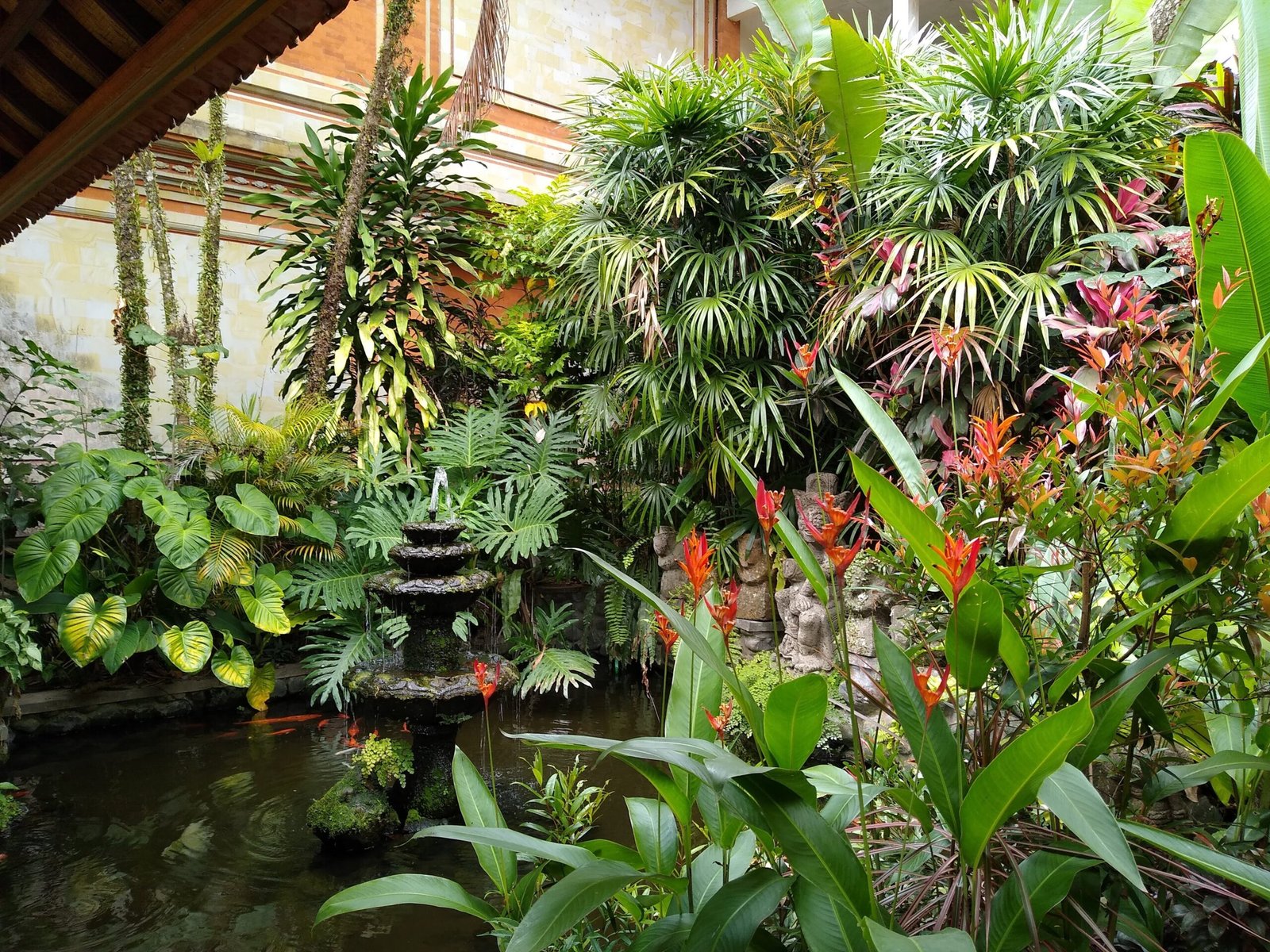
A pioneering institution dedicated to Balinese art, established by collector and dealer JMK Suteja Neka to preserve and present the island’s modern artistic traditions.
At a glance
The Neka Art Museum is a Balinese institution devoted to contemporary and modern art from the island. Located in Ubud, the cultural heart of Bali, it houses works reflecting decades of artistic development within the region.
History
Founded in 1982 by Pande Wayan Suteja Neka—known professionally as JMK Suteja Neka—the museum emerged from a lifelong passion for collecting Balinese art. Suteja Neka, a renowned art dealer, developed his collection with guidance from painters Rudolf Bonnet and Arie Smit, among other collaborators. The institution was established to formalize and share his acquisitions with the public. Today, the museum is managed by his son, PM Kardi Suteja, continuing the family’s commitment to supporting Balinese artistic heritage.
Cultural significance
The museum serves as an important custodian of Balinese modern and contemporary art. By showcasing works developed through the island’s artistic renaissance—a period shaped by both traditional heritage and cross-cultural exchange—it documents a transformative era in Indonesian cultural history. The institution validates Balinese artistic practice within a formal museum setting, affirming the island’s contribution to Asian modern art.
Key facts
- Country: Indonesia
- Location: Ubud, Bali
- Founded: 1982
- Founder: JMK Suteja Neka
- Coordinates: -8.488988, 115.2536418
Practical information & getting there
The museum is situated in Ubud, accessible by road from Bali’s main airports and towns. For current opening hours, admission fees, and detailed visiting arrangements, consult the museum directly or local tourism resources.
Sources & resources
Find it on the map
See this place and what’s around it →📷 Become a Cultural Heritage Online photographer
Share your photos of places: they stay published under your name as the author. The more they're seen, the more you get noticed — and soon a contest will reward the most appreciated photos.
Log in or sign up free to add a photoIs this page about you?
This page is read by travellers and heritage enthusiasts who find it on Google. Tell us how you are connected to this place and we will take it from there.