
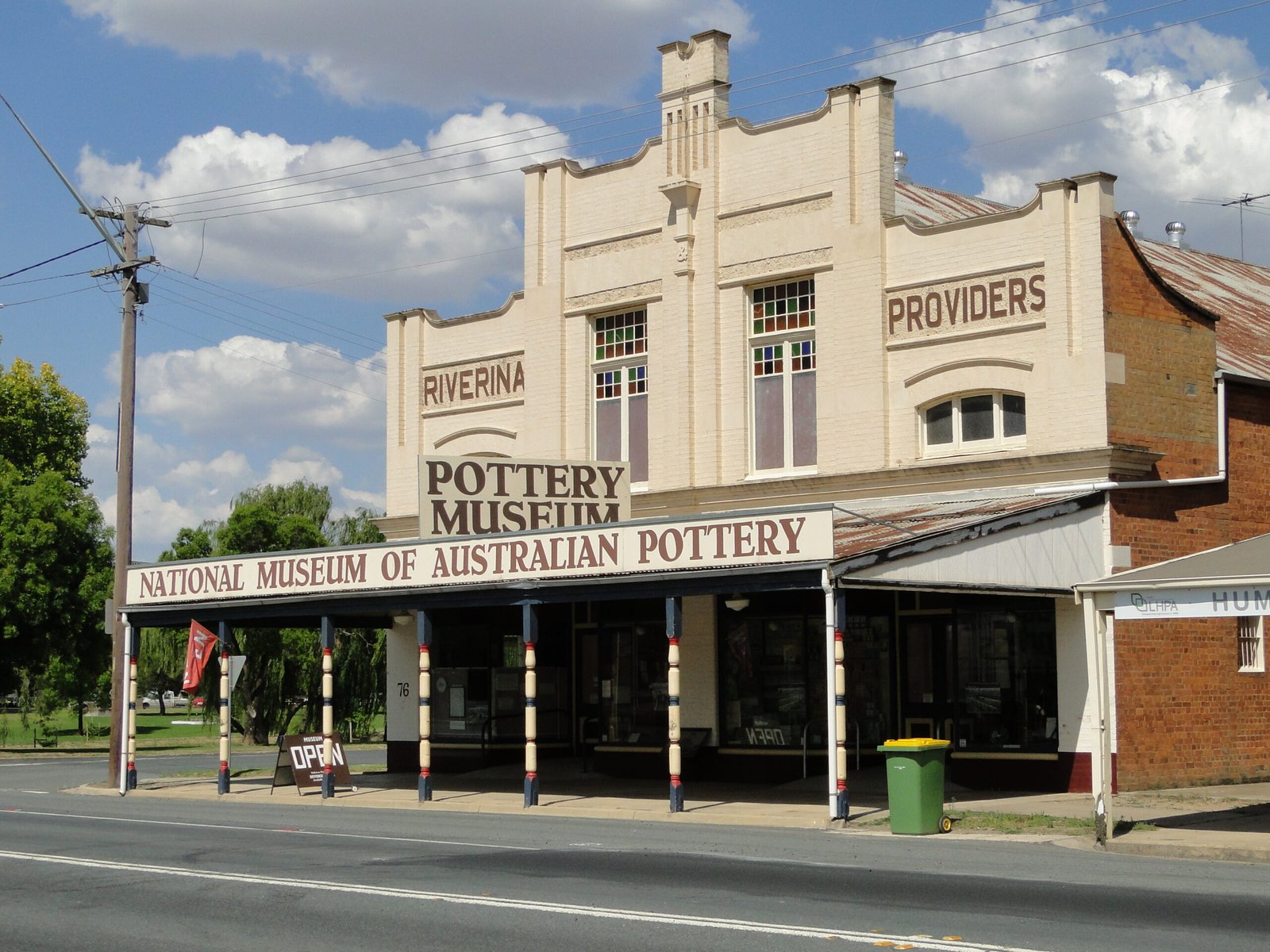
A focused collection of over 2,000 domestic pottery pieces tracing Australian ceramic craft from the colonial era through the early twentieth century.
At a glance
The National Museum of Australian Pottery preserves a substantial archive of Australian-made domestic ceramics. Its holdings document the styles, techniques, and everyday use of pottery across a transformative period in the nation’s cultural development.
History
The museum’s collection encompasses pottery produced during the nineteenth and early twentieth centuries, a formative era for Australian domestic manufacturing. These pieces reflect both imported traditions and emerging local innovation in ceramic production.
What you see
The collection spans functional domestic wares—tableware, storage vessels, and decorative pieces—that reveal the aesthetic preferences and practical needs of Australian households. The ceramics range from utilitarian earthenware to more refined production, illustrating the breadth of the domestic pottery tradition.
Cultural significance
Australian pottery of this period represents a distinctive chapter in the nation’s material culture. The collection demonstrates how domestic ceramics evolved as Australian manufacturers developed their own identity, blending European heritage with local innovation and responding to the demands of an expanding colonial and post-colonial society.
Key facts
- Location: Holbrook, New South Wales, Australia
- Coordinates: -35.7264, 147.3124
- Collection size: Over 2,000 pieces
- Period covered: 19th and early 20th centuries
Practical information & getting there
The museum is situated in the rural town of Holbrook in southern New South Wales. For current visiting hours, admission details, and directions, consult the museum directly or local tourism resources.
Sources & resources
Find it on the map
See this place and what’s around it →📷 Become a Cultural Heritage Online photographer
Share your photos of places: they stay published under your name as the author. The more they're seen, the more you get noticed — and soon a contest will reward the most appreciated photos.
Log in or sign up free to add a photoIs this page about you?
This page is read by travellers and heritage enthusiasts who find it on Google. Tell us how you are connected to this place and we will take it from there.