
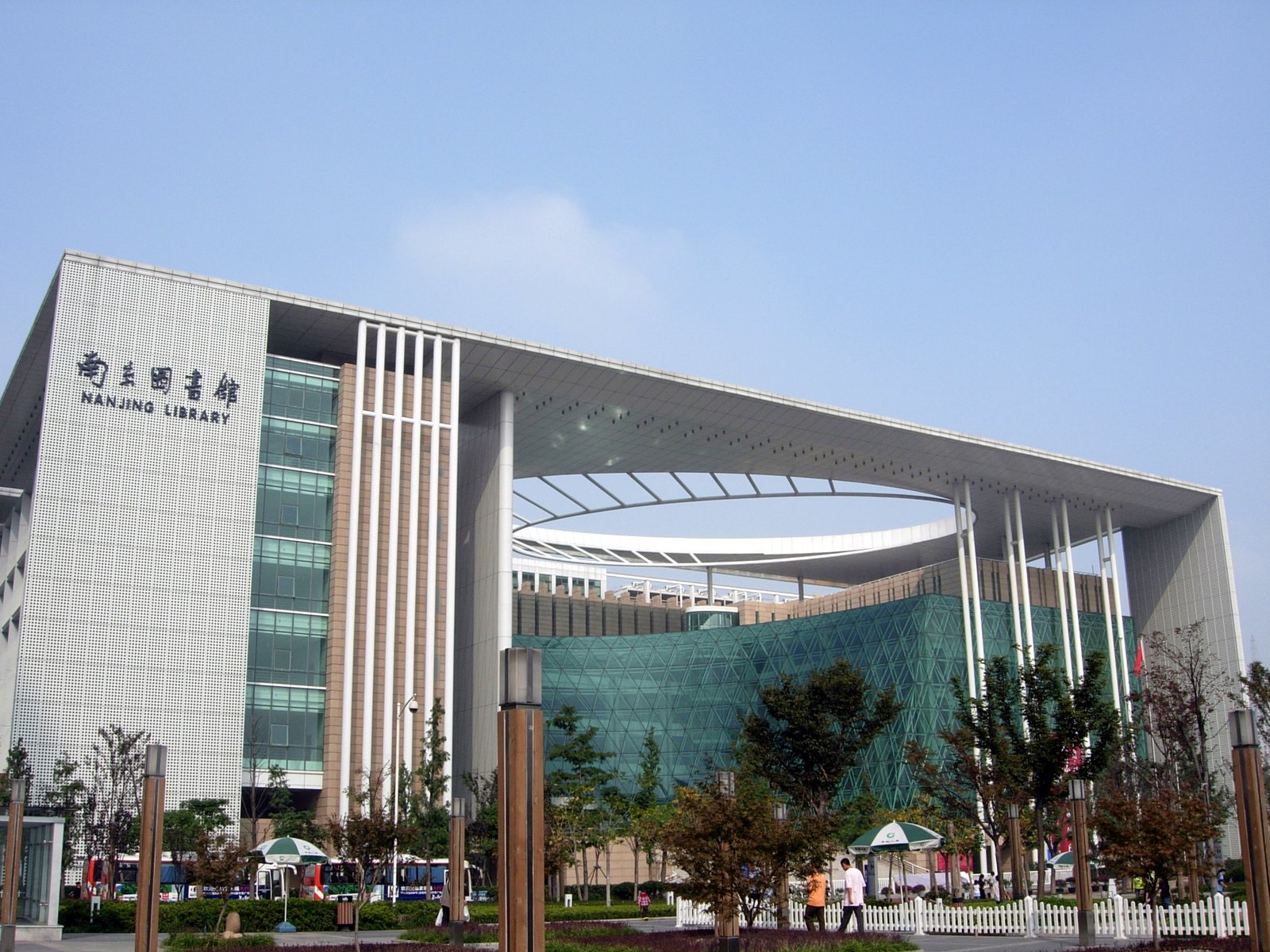
China’s third-largest library preserves over 10 million items, from ancient Buddhist scriptures to rare imperial manuscripts spanning thirteen centuries.
At a glance
Nanjing Library ranks among China’s premier research institutions, housing an extraordinary collection of rare books, historical documents, and cultural records. Located in the former imperial capital, the library serves as a living archive of Chinese civilization and scholarship.
History
The library’s collection encompasses materials dating from the Tang dynasty through the Ming dynasty, reflecting centuries of intellectual accumulation. These holdings include 1.6 million ancient books and 100,000 volumes of documents and manuscripts—among them significant Buddhist scriptures and foreign publications acquired over generations.
What you see
As a major institutional library, Nanjing Library functions as a modern research facility while maintaining specialized collections of historical materials. The library’s design accommodates both contemporary scholarly needs and the preservation of irreplaceable antiquarian holdings.
Cultural significance
The collection documents Jiangsu province’s intellectual heritage and national historical records of profound importance. By preserving ancient Chinese and foreign texts alongside Buddhist scriptures, the library illuminates cultural exchanges and intellectual traditions across Asia. Its holdings provide scholars worldwide access to primary sources spanning the medieval and early modern periods.
Key facts
- Third-largest library in China
- Over 10 million items in collection
- 1.6 million ancient books
- 100,000 volumes of documents and manuscripts from Tang to Ming dynasties
- Location: Nanjing, China (32.0439°N, 118.79°E)
Practical information & getting there
Nanjing Library is accessible to researchers and the public in China’s historic capital city. Contact the institution directly for current hours, access policies for rare materials, and visitor information.
Sources & resources
Find it on the map
See this place and what’s around it →📷 Become a Cultural Heritage Online photographer
Share your photos of places: they stay published under your name as the author. The more they're seen, the more you get noticed — and soon a contest will reward the most appreciated photos.
Log in or sign up free to add a photoIs this page about you?
This page is read by travellers and heritage enthusiasts who find it on Google. Tell us how you are connected to this place and we will take it from there.