
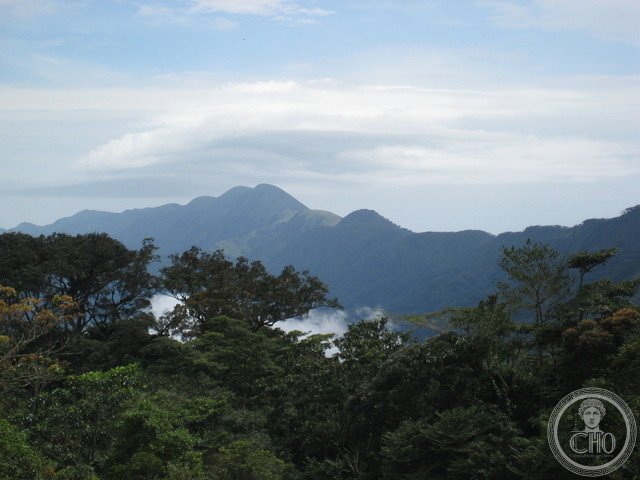
A transnational protected area spanning the Nimba Range, home to remarkable concentrations of endemic species found nowhere else on Earth.
At a glance
Mount Nimba Strict Nature Reserve encompasses 175.4 km² across Guinea and Côte d’Ivoire, with 125.4 km² in Guinea and 50 km² in Côte d’Ivoire. The reserve protects a geologically distinctive mountain range of exceptional biological importance, dominated by Mount Richard-Molard at 1,752 m—the highest peak in both countries.
History
Established as a protected area to safeguard the unique ecosystems of the Nimba Range, the reserve was designated a UNESCO World Heritage Site in recognition of its irreplaceable biodiversity and the concentration of single-site endemic species found within its boundaries.
What you see
The reserve’s landscape is defined by the Nimba Range, a geographically distinct mountain system rising to its apex at Mount Richard-Molard. The terrain supports specialized habitats that harbor unusual numbers of species adapted to this singular environment.
Cultural significance
Mount Nimba represents one of Africa’s most biodiverse protected areas. Its international importance lies in the presence of endemic organisms—species existing only within these boundaries—including the viviparous toads of the genus Nimbaphrynoides, the Nimba otter shrew, and multiple horseshoe bat species. This concentration of endemic fauna makes the reserve crucial for global biodiversity conservation and species survival.
Key facts
- Location: Guinea and Côte d’Ivoire
- Total area: 175.4 km² (43,300 acres)
- Highest point: Mount Richard-Molard, 1,752 m (5,750 ft)
- UNESCO World Heritage Site: yes
- Coordinates: 7.6378, -8.4206
Practical information & getting there
The reserve straddles the Guinea-Côte d’Ivoire border in West Africa. Access and visiting conditions vary by country; consult local authorities and conservation organizations for current regulations and guided tour availability.
Sources & resources
Find it on the map
See this place and what’s around it →📷 Become a Cultural Heritage Online photographer
Share your photos of places: they stay published under your name as the author. The more they're seen, the more you get noticed — and soon a contest will reward the most appreciated photos.
Log in or sign up free to add a photo