
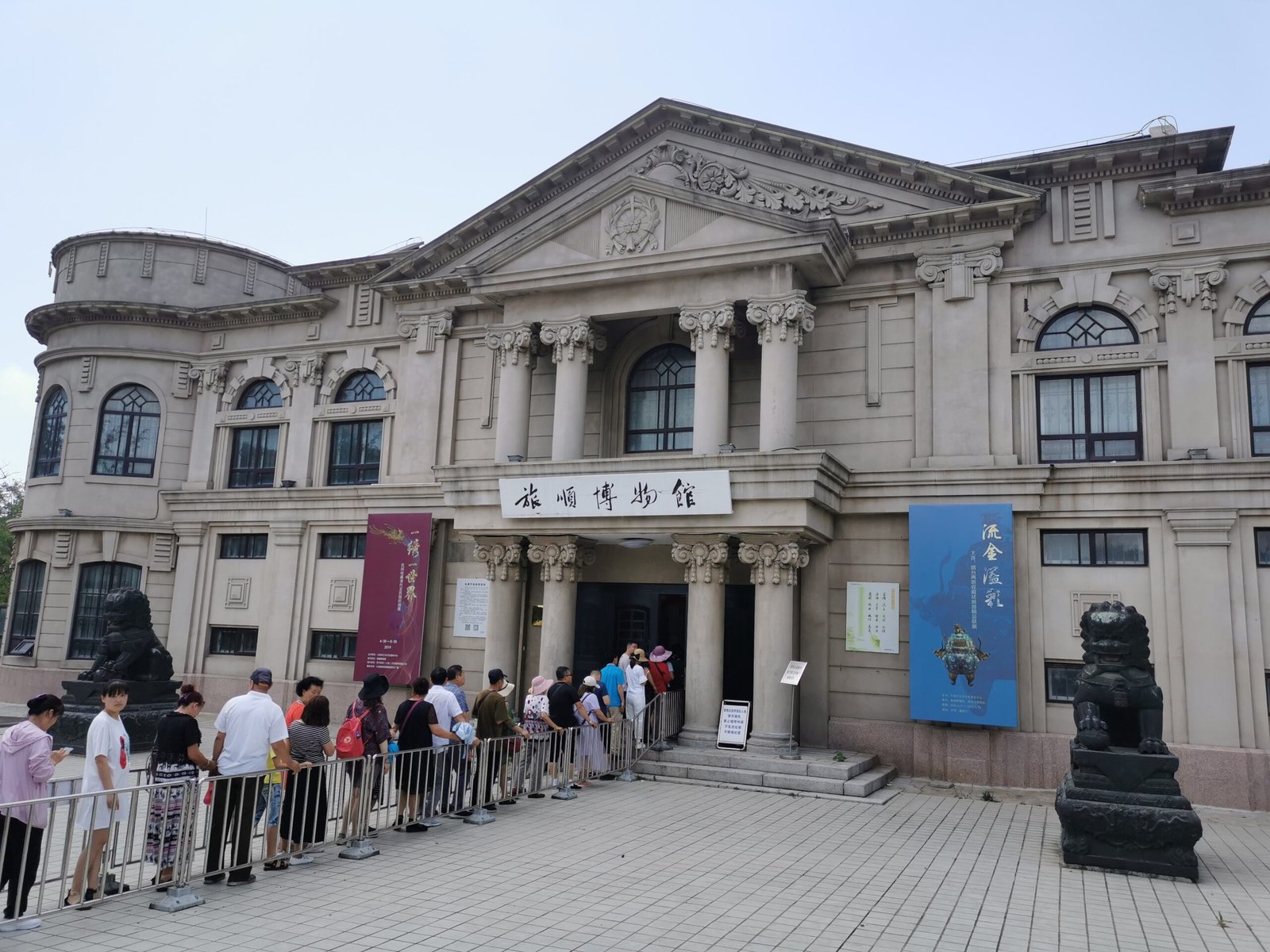
Established during Japan’s administration of the Liaoning peninsula, this museum preserves a remarkable collection of Central Asian mummies and artifacts gathered by the Buddhist monk Kozui Otani in the early twentieth century.
At a glance
The Lüshun Museum holds one of China’s most significant collections of preserved human remains and archaeological objects from Central Asia, spanning multiple centuries and cultures.
History
The museum was founded in 1915 when Lüshunkou District was part of Japan’s leased territory in Liaoning Province. Its core collection derives from expeditions undertaken by Kozui Otani between 1901 and 1910 across Central Asia, during which he assembled an extensive array of mummies, textiles, manuscripts, and religious artifacts. These expeditions yielded materials that would become central to understanding ancient trade routes and cultural exchange across the Silk Road region.
What you see
The museum’s primary distinction lies in its mummy collection—remarkably preserved human remains that offer direct insight into burial practices, clothing, and daily life of ancient Central Asian peoples. The displays extend to manuscripts, textiles, and religious objects that contextualize these remains within their historical and cultural frameworks.
Cultural significance
The Lüshun Museum represents a crucial intersection of Japanese, Buddhist, and Chinese heritage. Otani’s collecting activities, conducted under Japanese auspices during the early colonial period, generated one of Asia’s most important repositories of Central Asian material culture. The collection illuminates pre-Islamic and early Islamic societies along ancient caravan routes.
Key facts
- Country: China
- City: Dalian, Liaoning Province
- District: Lüshunkou
- Founded: 1915
- Coordinates: 38.808272, 121.233833
- Core collection: Expeditions by Kozui Otani (1901–1910)
Practical information & getting there
The museum is located in Lüshunkou District, Dalian. Contact the institution directly for current hours, admission fees, and access information.
Sources & resources
Find it on the map
See this place and what’s around it →📷 Become a Cultural Heritage Online photographer
Share your photos of places: they stay published under your name as the author. The more they're seen, the more you get noticed — and soon a contest will reward the most appreciated photos.
Log in or sign up free to add a photoIs this page about you?
This page is read by travellers and heritage enthusiasts who find it on Google. Tell us how you are connected to this place and we will take it from there.