

A protected landscape of extraordinary paleontological significance, where fossil deposits reveal Earth’s deep history alongside thriving ecosystems of migratory birds, crocodiles, and hippos.
At a glance
Lake Turkana National Parks comprises three protected areas: Sibiloi National Park on the mainland and two islands—Central Island and South Island—in the lake itself. The parks protect one of the world’s most significant paleontological sites alongside active wildlife habitat.
History
The parks were inscribed as a UNESCO World Heritage Site in 1997, recognizing their exceptional scientific value. The designation was expanded in 2001 to encompass additional territory. The region has long held importance for understanding human and animal evolution through its fossil record.
What you see
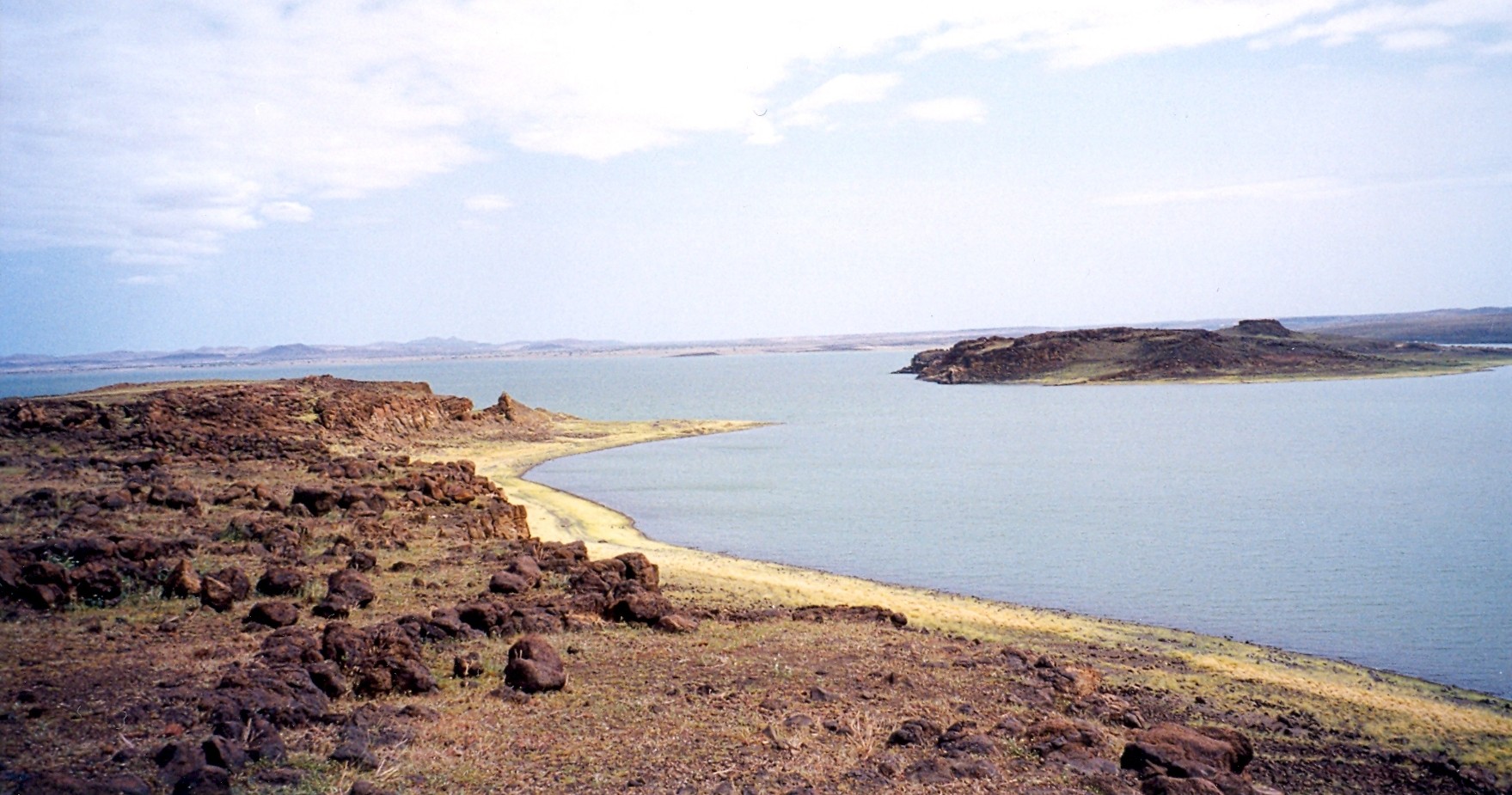
Lake Turkana itself dominates the landscape—a vast, remote body of water in Kenya’s Rift Valley. Sibiloi National Park occupies the mainland shore, while Central and South Islands rise from the water. The terrain ranges from volcanic rock formations to sandy plains.
Cultural significance
The Koobi Fora deposits contain fossils unique in the world, making the parks essential to paleontology and our understanding of vertebrate evolution. The region functions as a critical staging ground for migratory birds traversing Africa. The lake also sustains breeding populations of Nile crocodiles, hippopotamuses, and snakes—species increasingly threatened elsewhere.
Key facts
- Location: Lake Turkana, Kenya
- Coordinates: 3.05°N, 36.50°E
- UNESCO World Heritage Site: inscribed 1997, expanded 2001
- Components: Sibiloi National Park, Central Island, South Island
Practical information & getting there
The parks are remote and accessible primarily by air or rough overland routes. Visit during the dry season for best access. Local guides are essential for both security and paleontological interpretation. Permits are required; contact Kenya’s wildlife authority for current conditions and regulations.
Sources & resources
Find it on the map
See this place and what’s around it →📷 Become a Cultural Heritage Online photographer
Share your photos of places: they stay published under your name as the author. The more they're seen, the more you get noticed — and soon a contest will reward the most appreciated photos.
Log in or sign up free to add a photo