
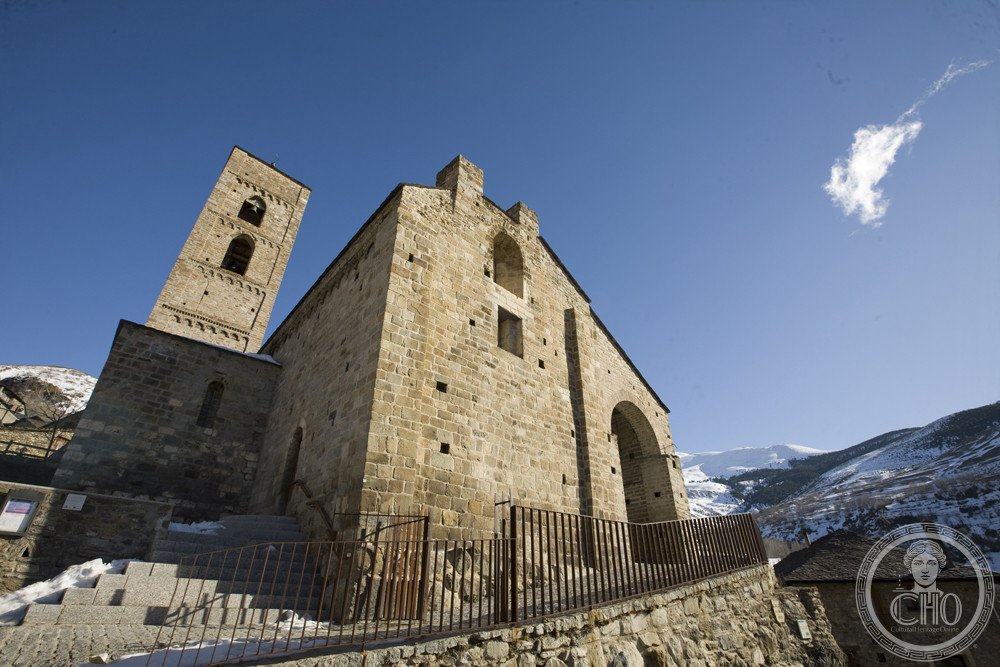
A Romanesque church dedicated to the Nativity of Mary, set in the high Pyrenean valleys of Catalonia and inscribed as part of a UNESCO World Heritage ensemble.
At a glance
La Nativitat de Durro stands in the village of Durro, within the Vall de Boí in Alta Ribagorça. The church forms one of nine Catalan Romanesque churches recognized together as a UNESCO World Heritage site, reflecting the architectural heritage of the medieval Pyrenees.
History
The church was dedicated in honour of the Nativity of Mary, a common dedication in Romanesque Catalonia. It belongs to the medieval religious building tradition of the Vall de Boí, a valley historically significant for its concentration of stone churches built during the Romanesque period.
What you see
The building exemplifies Catalan Romanesque style, characteristic of churches constructed in the remote valleys of Alta Ribagorça. Its design reflects the architectural vocabulary shared by the ensemble of nine churches now protected as World Heritage monuments.
Cultural significance
La Nativitat de Durro holds importance as part of a larger narrative of medieval Catalan religious architecture. The nine Romanesque churches of Vall de Boí collectively demonstrate the artistic and spiritual life of a remote Pyrenean community, earning UNESCO recognition for their exceptional heritage value.
Key facts
- Country: Spain
- Region: Vall de Boí, Alta Ribagorça, Province of Lleida, Catalonia
- Coordinates: 42.49817, 0.82068
- UNESCO World Heritage: Yes, as part of the Romanesque Churches of Vall de Boí ensemble
- Architectural style: Catalan Romanesque
Practical information & getting there
The church is located in Durro village within Vall de Boí, a valley accessible from the Province of Lleida in northern Catalonia. You can find visitor information for the UNESCO Romanesque churches ensemble through regional tourism resources for Alta Ribagorça.
Sources & resources
Find it on the map
See this place and what’s around it →📷 Become a Cultural Heritage Online photographer
Share your photos of places: they stay published under your name as the author. The more they're seen, the more you get noticed — and soon a contest will reward the most appreciated photos.
Log in or sign up free to add a photoIs this page about you?
This page is read by travellers and heritage enthusiasts who find it on Google. Tell us how you are connected to this place and we will take it from there.