

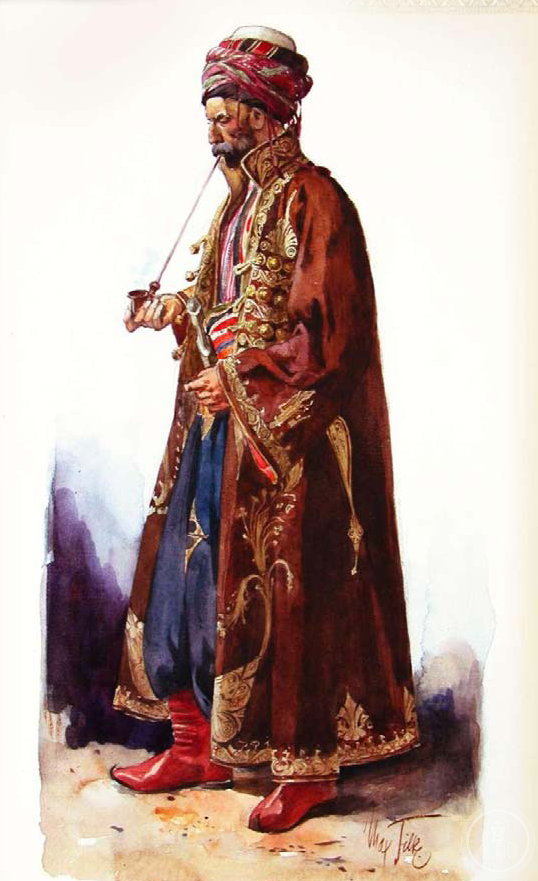
In Fez, master craftspeople continue centuries of tradition, creating the ornate robes—caftans—that once graced the courts of sultans and remain symbols of dignity, celebration, and cultural pride across Morocco and beyond.
At a glance
The caftan is a variant of the robe or tunic with roots in West Asia, adopted and refined by cultures across the Mediterranean and beyond. In Morocco, particularly in Fez, the tradition represents far more than fashion: it is an embodiment of art, craft mastery, and social significance passed from generation to generation.
Origins and history
The caftan originated in West Asia thousands of years ago. It gained prominence during the Ottoman Empire, when elaborately designed garments were presented to ambassadors and honored guests at the Topkapı Palace—a practice that underscored the robe’s association with status and respect.
Variations of the kaftan spread throughout Asia, Russia, the Middle East, and North Africa, each culture shaping the garment to reflect local aesthetics, climate, and ceremonial needs.
The tradition today
A caftan is typically a long, flowing garment reaching to the ankles, often featuring long sleeves and worn as a coat or overdress. In warm climates like Morocco, it is crafted as a lightweight, loose-fitting piece. It may be made of wool, cashmere, silk, or cotton, and is frequently worn with a sash.
In Fez, the tradition endures through skilled artisans who continue to design and hand-craft caftans with intricate detail and embellishment. These robes remain central to Moroccan formal wear, celebrations, and ceremonial dress.
Cultural significance
The caftan has served as a symbol of royalty and dignity across cultures. In Morocco, it represents continuity with centuries of artistic excellence and social tradition. The craft itself—the selection of fabrics, the precision of tailoring, the artistry of embroidery and ornamentation—embodies the identity and aesthetic values of Moroccan society.
Wearing a caftan marks important occasions: weddings, festivals, and moments of cultural affirmation. It is worn by men and women alike, each style reflecting personal status and community belonging.
Key facts
- Country: Morocco
- Anchor community: Fez
- UNESCO Intangible Cultural Heritage: Moroccan Caftan: art, traditions and skills (Representative List)
- Materials: wool, cashmere, silk, or cotton
- Typical features: long sleeves, ankle-length, worn with sash
Where to experience it
Fez’s medina—one of the world’s oldest and most intact walled cities—remains the heart of caftan artisanship. Here, in workshops and family ateliers, you can observe craftspeople at work and acquire authentic pieces. Caftan makers also congregate in the souks (markets) and through established retailers specializing in traditional dress. Many Moroccan celebrations, weddings, and cultural festivals feature the wearing and display of caftans.
Sources & resources
- Kaftan on Wikipedia
- Cultural Heritage Online
- UNESCO Intangible Cultural Heritage List
Find it on the map
See this place and what’s around it →📷 Become a Cultural Heritage Online photographer
Share your photos of places: they stay published under your name as the author. The more they're seen, the more you get noticed — and soon a contest will reward the most appreciated photos.
Log in or sign up free to add a photo