
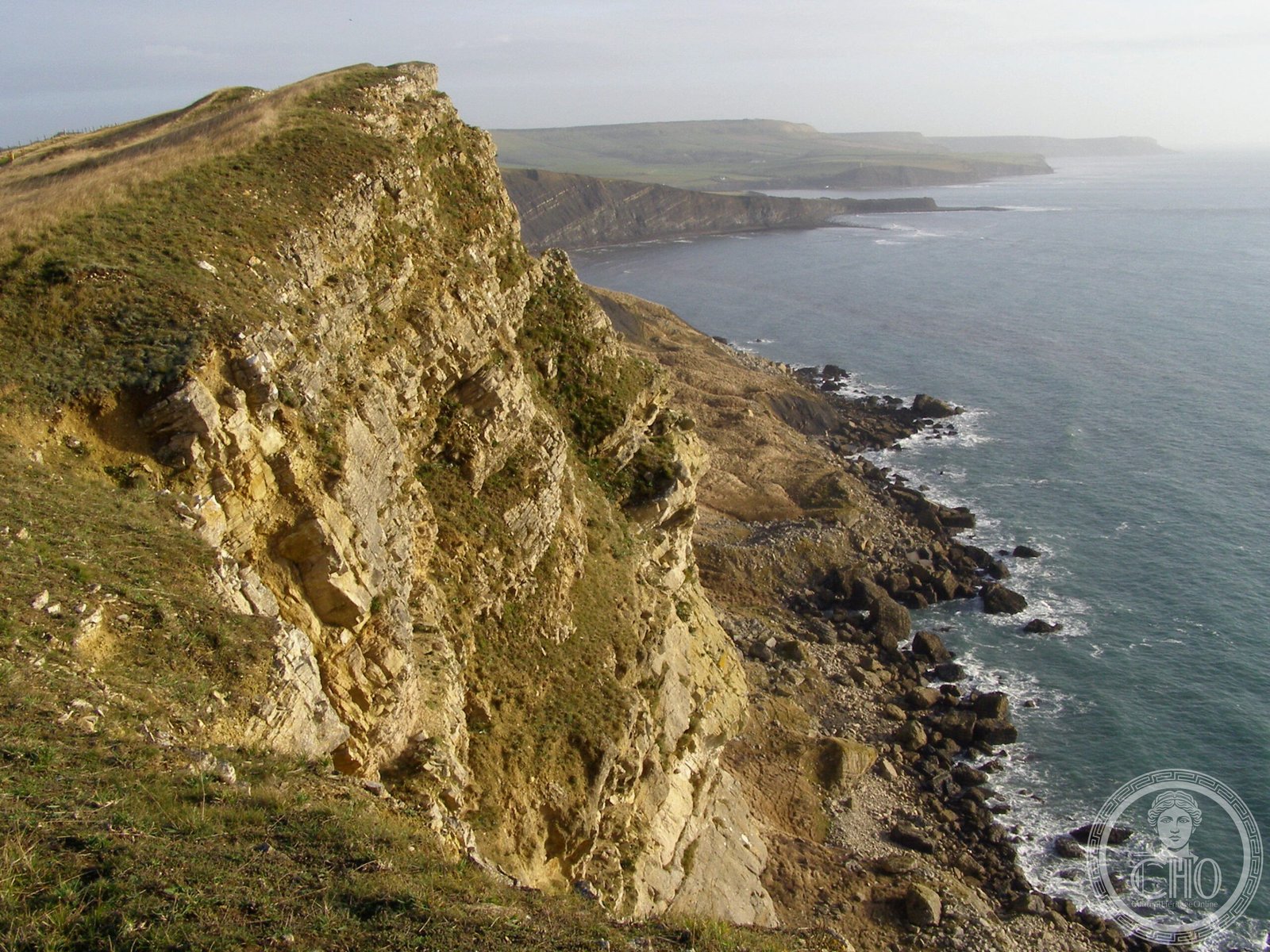
A 96-mile stretch of cliffs and coves exposing 185 million years of geological history, from desert to tropical seas. Designated UNESCO World Heritage Site in 2001.
At a glance
The Jurassic Coast runs from Exmouth in East Devon to Studland Bay in Dorset along the English Channel. Its cliffs and beaches reveal an almost continuous geological record spanning the Triassic, Jurassic and Cretaceous periods, with fossils documenting the evolution of marine life and terrestrial creatures across ancient environments.
History
Over 185 million years, this coastline transformed from arid desert to shallow tropical sea to marshy lowlands. Each rock stratum preserves a distinct moment in Earth’s history, with fossilised remains of creatures adapted to their era embedded in stone. The area gained international recognition when inscribed on the World Heritage List in December 2001, acknowledging its unparalleled geological significance.
What you see
The coast displays dramatic natural formations: sea arches, pinnacles and stack rocks carved by millennia of erosion. Coves with restricted entrances mark where the sea breached resistant rock. The Isle of Portland connects to the mainland via a barrier beach, a rare geological feature. Landslides frequently expose fresh fossils and reveal the different rock types that characterise each section. At Lulworth Cove, a fossil forest lies preserved in stone. Lyme Regis showcases 71 distinct rock strata, each harbouring its own species of ammonite.
Cultural significance
The Jurassic Coast served as the proving ground for early palaeontology. Mary Anning, who lived at Lyme Regis, made groundbreaking discoveries of marine reptiles and other fossils here during the nascent years of fossil science. Her work helped establish palaeontology as a serious discipline. The site remains vital for understanding how ancient animals and plants evolved across changing environments and geological time.
Key facts
- Location: Exmouth, East Devon to Studland Bay, Dorset, United Kingdom
- Distance: 96 miles (154 km)
- Geological span: 185 million years (Triassic to Cretaceous periods)
- UNESCO World Heritage Site: inscribed December 2001
- Coordinates: 50.71°N, 2.99°W
Practical information & getting there
The entire length of the Jurassic Coast is accessible via the South West Coast Path, a long-distance walking route that runs the full distance of the site. The Charmouth Heritage Coast Centre provides detailed information on the area’s geology, fossils and natural features. Access is easiest from the coastal towns of Lyme Regis, Weymouth and Dorchester.
Sources & resources
Find it on the map
See this place and what’s around it →📷 Become a Cultural Heritage Online photographer
Share your photos of places: they stay published under your name as the author. The more they're seen, the more you get noticed — and soon a contest will reward the most appreciated photos.
Log in or sign up free to add a photo