
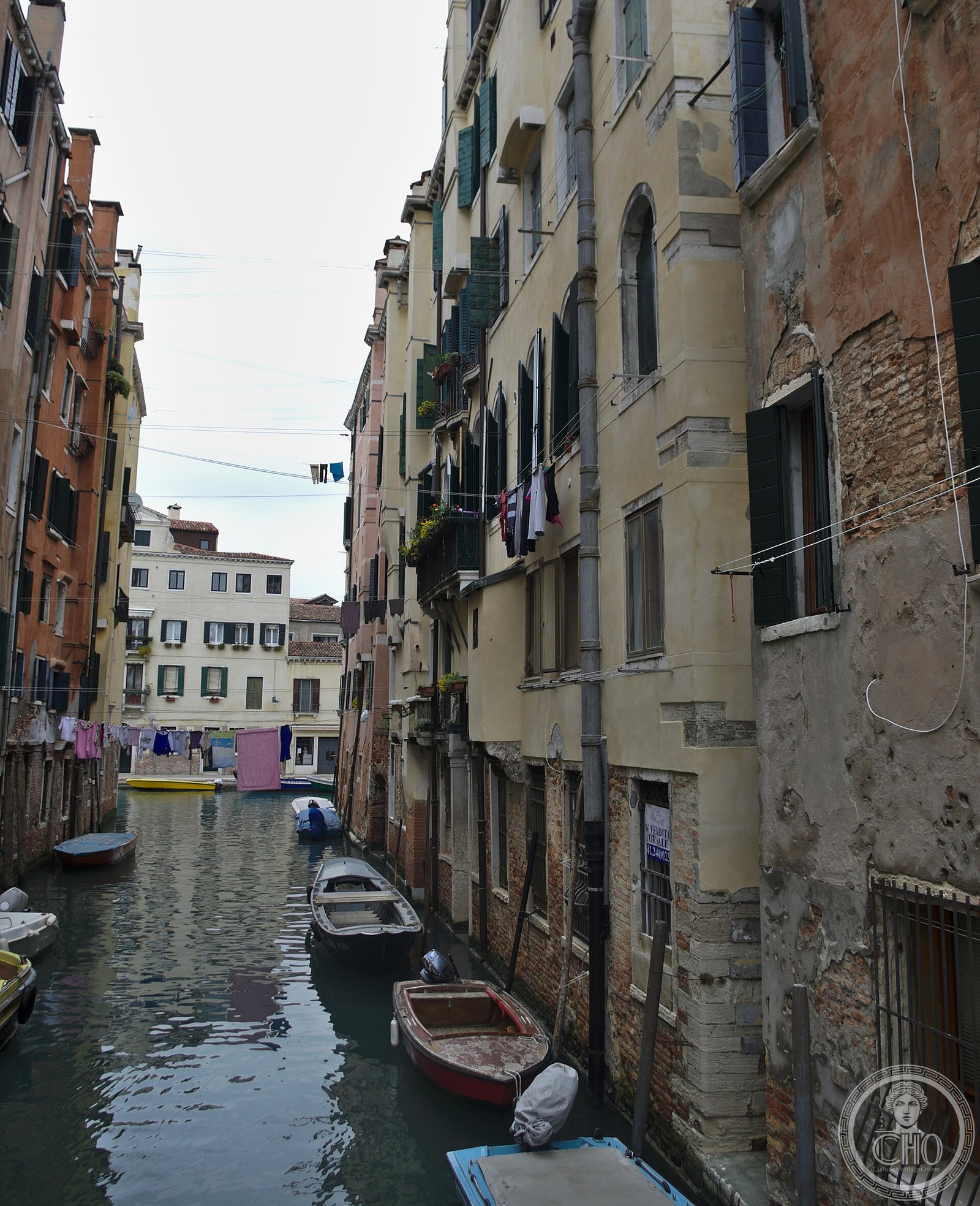
The Jewish Museum of Venice is a museum focusing on the history of the Jewish community in Venice, housed within the historic Ghetto of Venice, the world first ghetto, established in 1516. The museum preserves a remarkable collection of liturgical silver, embroidered textiles, illuminated manuscripts and ceremonial objects accumulated over five centuries of Venetian Jewish life. Located adjacent to three historic synagogues that are still in active use, the museum offers guided tours that bring together sacred architecture and material culture in one of Europe most significant Jewish heritage sites.
At a glance
- Type
- Jewish heritage museum within the historic Venice Ghetto
- Period
- Ghetto established 1516; museum founded 1953; collection spans 16th to 20th centuries
- Style
- Venetian Renaissance and Baroque synagogue interiors within historic urban fabric
- Location
- Campo del Ghetto Nuovo, Cannaregio, Venice, Italy
- Coordinates
- 45.4450 N, 12.3272 E
Overview
The Jewish Museum of Venice documents and interprets the history of Jews in the city from the early 16th century to the present day. It is set in the Ghetto Nuovo (New Ghetto), the area of Venice to which Jews were first confined by the Serenissima in 1516, the origin of the word ghetto itself, derived from the Venetian term for the foundry that previously occupied the site. The museum is managed by the Jewish Community of Venice and draws visitors from around the world who come both to understand the history and to see the extraordinary synagogues that survived the centuries largely intact.
History
Jews began settling in Venice in significant numbers from the late 15th century, many fleeing expulsion from Spain and Portugal in 1492 and 1497. The Venetian Republic confined them to the Ghetto Nuovo in 1516, later expanding the designated area with the Ghetto Vecchio (1541) and Ghetto Nuovissimo (1633). Within these boundaries, five distinct Jewish communities — Ashkenazi, Sephardic, Levantine, Italian and Ponentine — each built their own synagogue, creating an extraordinary concentration of sacred art in a small urban space. Emancipation came under Napoleonic rule in 1797; the racial laws of 1938 and the deportations of 1943 to 1944 devastated the community. The museum was established in 1953 to preserve what remained and to honour those who were lost.
What you see
The museum permanent collection includes Torah ark curtains (parochet) in rich Venetian fabrics, silver Torah crowns, Hanukkah lamps, spice boxes and illuminated ketubot (marriage contracts). Guided tours include visits to the Scola Grande Tedesca (German Synagogue, 1528), the Scola Canton (1531) and the Scola Levantina (1538), each preserving carved wooden furnishings, gilded decorations and painted ceilings that represent the peak of Venetian craftsmanship applied to Jewish sacred space. A dedicated room commemorates Venetian Jews deported to concentration camps during the Nazi occupation.
Cultural significance
The Venice Ghetto is a site of global significance in both Jewish history and the broader history of urban segregation and religious tolerance. The word ghetto, coined here, entered every major European language and became a concept that shaped urban policy, literature and political thought for centuries. The museum and its synagogues form part of the European Route of Jewish Heritage and are protected as a UNESCO-recognised cultural landscape within the Venice World Heritage Site.
Practical information
- Address
- Campo del Ghetto Nuovo 2902/b, 30121 Venezia VE, Italy
- Hours
- Generally open Sunday to Friday; closed Saturday (Shabbat) and Jewish holidays. Check the official website for current hours
- Admission
- Paid admission; combined ticket with synagogue tours available
- Website
- museobraico.it
Getting there
From Venice Santa Lucia railway station, walk along the Cannaregio canal (approx. 15 to 20 minutes on foot) or take vaporetto line 1 or 2 to the Guglie stop. The Ghetto is a short walk from Guglie through the Cannaregio neighbourhood. Water taxis are available from the station and from Marco Polo Airport via the Alilaguna shuttle.
Sources and resources
See the place
Find it on the map
See this place and what’s around it →📷 Become a Cultural Heritage Online photographer
Share your photos of places: they stay published under your name as the author. The more they're seen, the more you get noticed — and soon a contest will reward the most appreciated photos.
Log in or sign up free to add a photoIs this page about you?
This page is read by travellers and heritage enthusiasts who find it on Google. Tell us how you are connected to this place and we will take it from there.