
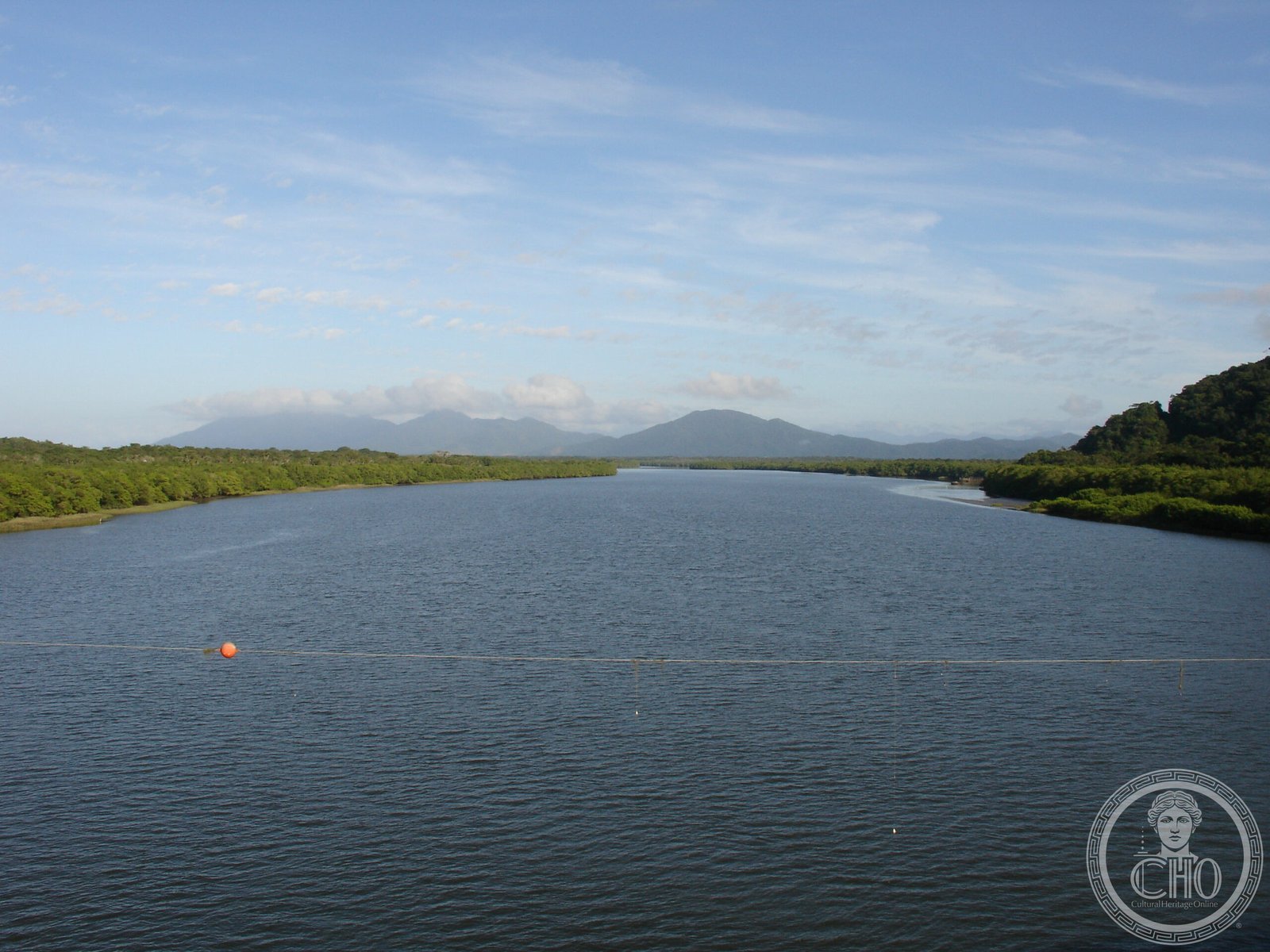
A protected area mosaic spanning 14 conservation units within Brazil’s Atlantic Forest, centered on the former Jacupiranga State Park.
At a glance
The Jacupiranga Mosaic represents a coordinated approach to conservation, integrating 14 protected areas across the Atlantic Forest biome in southeastern Brazil. This model emerged from the reorganization of Jacupiranga State Park, demonstrating how fragmented landscapes can be managed as interconnected ecological systems.
History
The mosaic originated from the restructuring of the former Jacupiranga State Park. This reorganization reflected evolving conservation philosophy in Brazil, shifting toward landscape-level protection rather than isolated reserves.
What you see
Rather than a single monument, the mosaic comprises diverse landscape units across the Atlantic Forest region. The varied topography and forest composition reflect the ecological richness characteristic of this globally significant biome.
Cultural significance
The Jacupiranga Mosaic exemplifies modern conservation strategy in Brazil. Its 14-unit structure protects one of the world’s most biodiverse and threatened ecosystems, safeguarding both natural heritage and the cultural traditions of local communities within and around the protected areas.
Key facts
- Country: Brazil
- State: São Paulo
- Biome: Atlantic Forest
- Number of protected units: 14
- Coordinates: -24.869284, -48.349828
Practical information & getting there
The Jacupiranga Mosaic spans multiple municipalities in São Paulo state. Access varies by individual protected unit; contact local authorities or consult with conservation organizations for specific visiting arrangements and current conditions.
Sources & resources
Find it on the map
See this place and what’s around it →📷 Become a Cultural Heritage Online photographer
Share your photos of places: they stay published under your name as the author. The more they're seen, the more you get noticed — and soon a contest will reward the most appreciated photos.
Log in or sign up free to add a photoIs this page about you?
This page is read by travellers and heritage enthusiasts who find it on Google. Tell us how you are connected to this place and we will take it from there.