
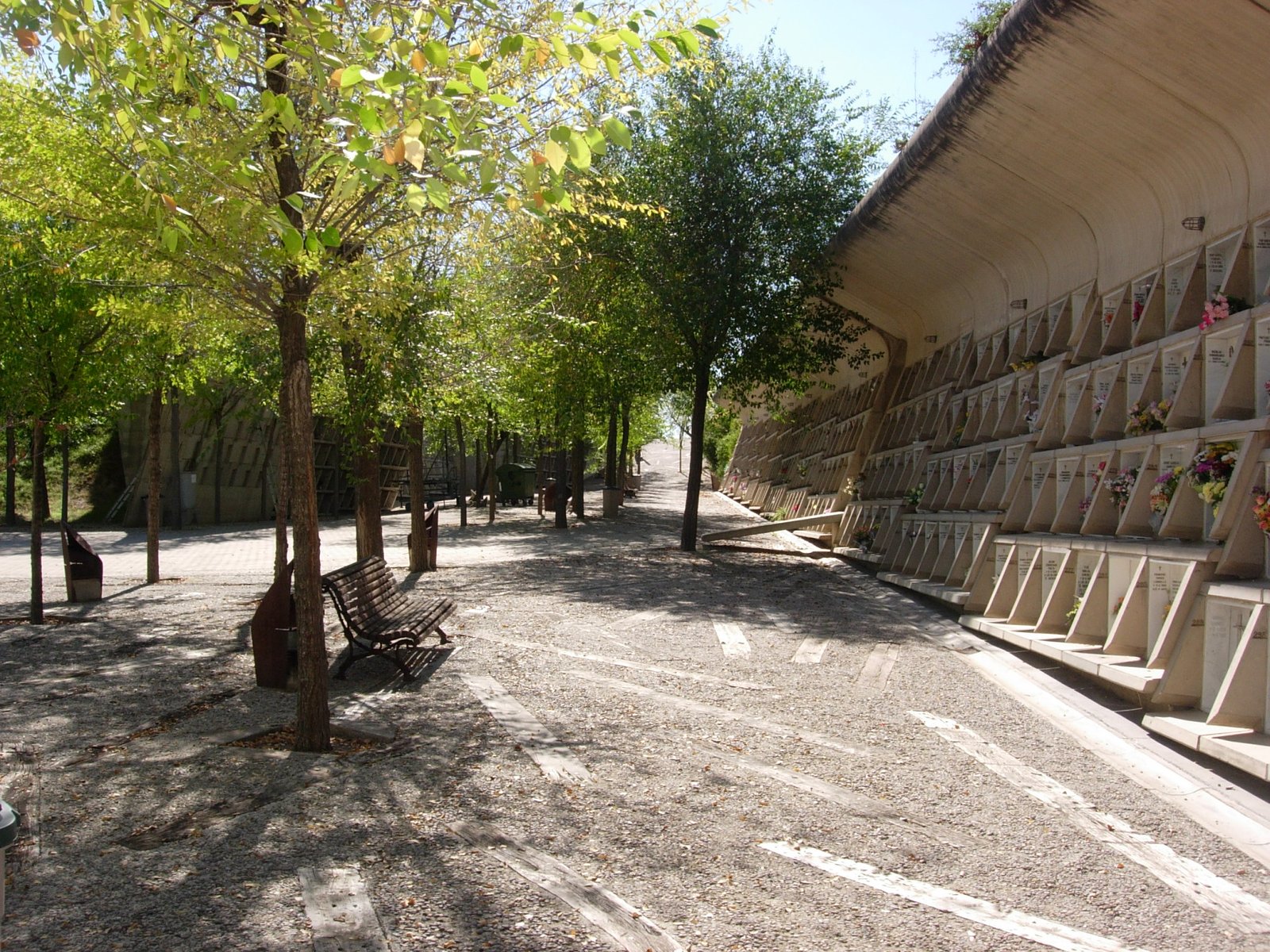
A landmark of late-twentieth-century Catalan architecture, this cemetery near Barcelona transforms the memorial landscape through poetic spatial design.
At a glance
Igualada Cemetery, also known as the New Cemetery (Cementiri Nou), is a burial ground that redefined how contemporary architects approach sacred space. Designed by Enric Miralles and Carme Pinós following their 1984 competition win, it replaced the Old Cemetery and stands as one of the most significant architectural statements in Catalan modernism.
History
After winning a design competition in 1984, architects Enric Miralles and Carme Pinós began constructing this cemetery to replace Igualada’s aging burial grounds. Work proceeded from 1985 to 1994, creating a new civic and spiritual landmark. The project gained international recognition and cemented the reputations of both architects in the field.
What you see
The cemetery’s design demonstrates restraint and formal sophistication characteristic of late-twentieth-century Catalan practice. Miralles and Pinós created spaces that balance modernist geometry with landscape integration, allowing the architecture to respond to its setting while maintaining clarity of purpose and form.
Cultural significance
The cemetery became widely regarded as one of the most poetic works of twentieth-century Catalan architecture. Its influence extends beyond funerary design into broader contemporary architectural discourse. Enric Miralles, who died in 2000, is buried within the cemetery itself—a final gesture connecting architect and creation.
Key facts
- Location: Igualada, near Barcelona, Catalonia, Spain
- Coordinates: 41.59194444, 1.63722222
- Architects: Enric Miralles and Carme Pinós
- Constructed: 1985–1994
- Commission: Won through architectural competition (1984)
Practical information & getting there
Igualada lies approximately 50 kilometers west of Barcelona. Public transport connects the town to Barcelona via regional rail. The cemetery is a working burial ground; visitors should be respectful of its active use and observe appropriate conduct.
Sources & resources
- Igualada Cemetery – Wikipedia
- Cultural Heritage Online
Find it on the map
See this place and what’s around it →📷 Become a Cultural Heritage Online photographer
Share your photos of places: they stay published under your name as the author. The more they're seen, the more you get noticed — and soon a contest will reward the most appreciated photos.
Log in or sign up free to add a photoIs this page about you?
This page is read by travellers and heritage enthusiasts who find it on Google. Tell us how you are connected to this place and we will take it from there.