

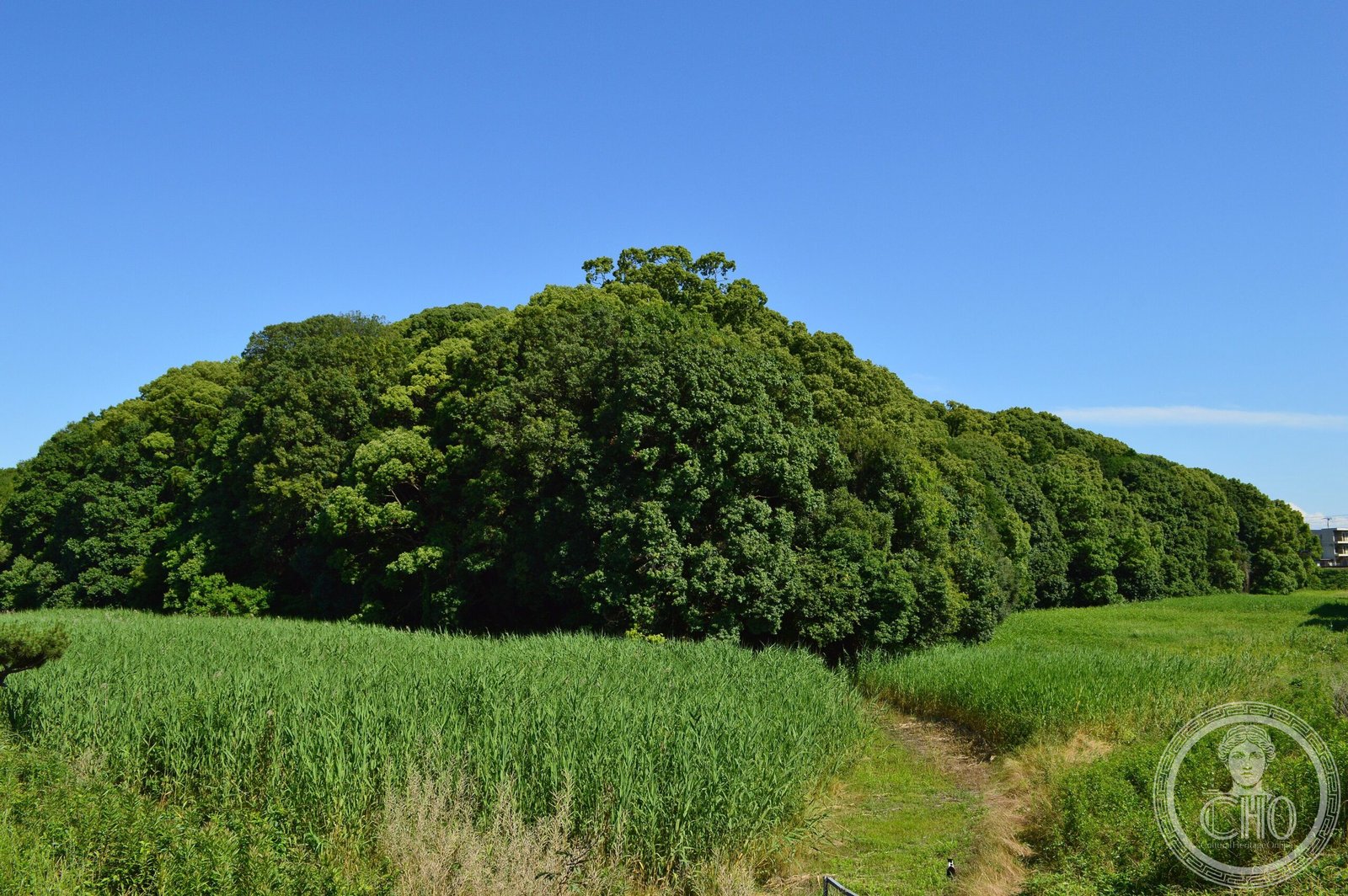
A monumental kofun traditionally identified as the burial mound of Emperor Ingyō, this ancient earthwork stands as testimony to Japan’s imperial funerary practices and belongs to the significant Furuichi Kofun Group.
At a glance
Ichinoyama Kofun is a kofun—a large artificial mound characteristic of Japan’s Kofun period—situated in Osaka Prefecture. Tradition holds it as the burial site of Emperor Ingyō, a ruler of the Kofun era. The mound forms part of the Furuichi Kofun Group, a cluster of significant ancient burial monuments.
History
The kofun is traditionally associated with Emperor Ingyō’s interment, though scholarly consensus on imperial burial sites from this period remains complex. As a member of the Furuichi Kofun Group, it reflects the concentrated burial practices of the imperial and elite classes during Japan’s Kofun period.
What you see
Like other kofun, Ichinoyama Kofun takes the form of a large earthen mound constructed as a burial monument. The structure exemplifies the distinctive architectural tradition of Japan’s ancient funerary landscape, where scale and form communicated status and power.
Cultural significance
Ichinoyama Kofun represents a crucial period in Japanese history and imperial practice. As a member of the Furuichi group, it contributes to our understanding of elite burial customs and the organization of society during the Kofun era. The site embodies Japan’s commitment to preserving ancient monumental heritage.
Key facts
- Country: Japan
- Location: Fujiidera, Osaka
- Coordinates: 34.5731°N, 135.6167°E
- Part of: Furuichi Kofun Group
- Traditional attribution: Burial site of Emperor Ingyō
Practical information & getting there
Ichinoyama Kofun is accessible in Fujiidera, Osaka. Contact local tourism offices for current visiting hours, access conditions, and guided tour information.
Sources & resources
Find it on the map
See this place and what’s around it →📷 Become a Cultural Heritage Online photographer
Share your photos of places: they stay published under your name as the author. The more they're seen, the more you get noticed — and soon a contest will reward the most appreciated photos.
Log in or sign up free to add a photoIs this page about you?
This page is read by travellers and heritage enthusiasts who find it on Google. Tell us how you are connected to this place and we will take it from there.