
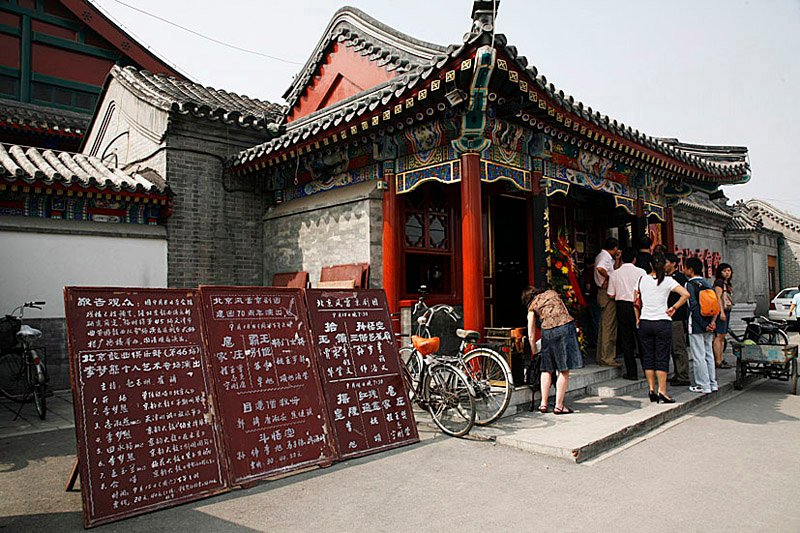
One of Beijing’s most celebrated venues for Peking opera, the Huguang Guild Hall showcases centuries of theatrical tradition in an intimate historic setting.
At a glance
The Huguang Guild Hall stands as a principal center for Peking opera performance in Beijing. Its name translates as ‘Huguang Assembly Hall,’ referencing the Huguang region. The venue remains renowned for preserving and presenting this classical Chinese theatrical art form.
History
The hall developed as a gathering place connected to the Huguang region, evolving into one of Beijing’s most important opera theaters. Its establishment reflects the city’s rich performance traditions and the cultural significance of Peking opera in Chinese life.
What you see
The Huguang Guild Hall represents historic theatrical architecture designed for intimate performances. The space creates an authentic atmosphere for experiencing Peking opera as audiences have done for generations.
Cultural significance
Peking opera ranks among China’s greatest artistic achievements, blending music, acrobatics, martial arts, and elaborate costumes into unified performance. The Huguang Guild Hall serves as a vital institution for maintaining this UNESCO-recognized art form and transmitting it to new audiences.
Key facts
- Location: Beijing, China
- Coordinates: 39.8875°N, 116.3777°E
- Primary purpose: Peking opera performances
Practical information & getting there
The Huguang Guild Hall is located in central Beijing. As a working theater, visiting hours and performance schedules vary. Check ahead for current Peking opera performances and visitor access.
Sources & resources
Find it on the map
See this place and what’s around it →📷 Become a Cultural Heritage Online photographer
Share your photos of places: they stay published under your name as the author. The more they're seen, the more you get noticed — and soon a contest will reward the most appreciated photos.
Log in or sign up free to add a photoIs this page about you?
This page is read by travellers and heritage enthusiasts who find it on Google. Tell us how you are connected to this place and we will take it from there.